To establish in the Department of State the Office to Monitor and Combat Islamophobia, and for other purposes.
Analysis under review: This bill has generated analysis that may be too generic or incomplete. Clause-level evidence remains available below.
Summary
What This Bill Does
The Combating International Islamophobia Act creates a new office within the U.S. Department of State dedicated to monitoring and combating Islamophobia abroad. The bill aims to address discrimination, violence, and harassment targeting Muslim communities in foreign countries by establishing formal U.S. government oversight and reporting mechanisms.
Who Benefits and How
Muslim communities worldwide benefit from increased U.S. government attention to their protection and rights in foreign countries. The bill mandates that the State Department track and report on violence, harassment, vandalism of mosques, and anti-Muslim propaganda in other nations.
International civil rights and religious freedom organizations gain a formal government partner (the Special Envoy) who is required to consult with them on monitoring efforts.
Who Bears the Burden and How
The State Department takes on new administrative responsibilities, including establishing and staffing the new Office, appointing a Special Envoy, and expanding annual human rights reports to include detailed Islamophobia assessments.
Foreign governments may face increased diplomatic scrutiny, as the U.S. will now formally document and report on their treatment of Muslim populations and their efforts (or lack thereof) to protect religious freedom and combat anti-Muslim violence.
Key Provisions
- Creates Office to Monitor and Combat Islamophobia within the State Department, headed by a Special Envoy appointed by the Secretary of State
- Requires annual reporting in existing human rights reports (Foreign Assistance Act, International Religious Freedom Act) on:
- Physical violence and harassment against Muslims
- Vandalism of mosques, schools, and cemeteries
- Anti-Muslim propaganda in government and media
- Government responses to such incidents
- Laws protecting Muslim religious freedom
- Anti-bias education efforts
- Mandates consultation with domestic and international NGOs and multilateral institutions
- Implementation timeline: Office must be established within 120 days; reporting requirements take effect 180 days after enactment
Evidence Chain:
This summary is generated from the full bill text using AI analysis. Expand "Detailed Analysis" below for primary purpose and policy domains.
At a Glance
What This Bill Does
The bill establishes an Office within the Department of State to monitor and combat Islamophobia, including acts of physical violence, harassment, vandalism, and propaganda against Muslim communities in foreign countries. It also mandates the inclusion of information on such acts in annual reports.
Key Policy Areas
Foreign Affairs, Civil Rights
Primary Purpose
The bill establishes an Office within the Department of State to monitor and combat Islamophobia, including acts of physical violence, harassment, vandalism, and propaganda against Muslim communities in foreign countries. It also mandates the inclusion of information on such acts in annual reports.
Policy Domains
Sponsors
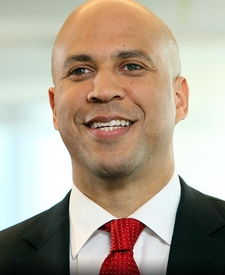
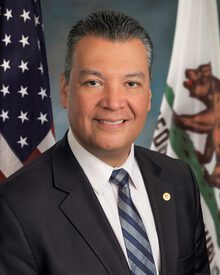

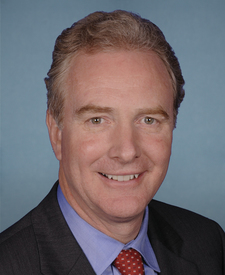

Legislative Progress
IntroducedMr. Booker (for himself, Mr. Kaine, Mr. Padilla, Mr. Van …
Stakeholder Effects
cui bono?How this legislation distributes effects. Mention counts reflect frequency, not effect magnitude.
Department of State, Government agencies responsible for annual reports
Bill Structure & Actor Mappings
Who is "The Secretary" in each section?
Key Definitions
Terms defined in this bill
Same as above, but with a focus on the establishment of the Office within the Department of State.
An office established within the Department of State, headed by a Special Envoy appointed by the Secretary of State. The Office is responsible for monitoring and combating acts of Islamophobia and Islamophobic incitement in foreign countries.
The Combating International Islamophobia Act.
The Foreign Assistance Act and International Religious Freedom Act are amended to include information on acts of Islamophobia in foreign countries, such as physical violence, harassment, vandalism, propaganda, and government responses.
We use a combination of our own taxonomy and classification in addition to large language models to assess meaning and potential beneficiaries. High confidence means strong textual evidence. Always verify with the original bill text.
Learn more about our methodology