To amend title 14, United States Code, to make appropriations for Coast Guard pay in the event an appropriations Act expires before the enactment of a new appropriations Act, and for other purposes.
Analysis under review: This bill has generated analysis that may be too generic or incomplete. Clause-level evidence remains available below.
Summary
What This Bill Does
This bill, To amend title 14, United States Code, to make appropriations for Coast Guard pay in the event an appropriations Act expires before the enactment of a new appropriations Act, and for other purposes., changes federal law or congressional policy affecting defense agencies, service members, and defense contractors. The main policy domain is Defense, Government Operations, Immigration.
Who Benefits and How
defense agencies, service members, and defense contractors may benefit from new authority, funding, eligibility, regulatory clarity, or reduced risk created by the bill.
Who Bears the Burden and How
federal implementing agencies, defense agencies, service members, and defense contractors may take on implementation duties, reporting obligations, compliance costs, or oversight responsibilities.
Key Provisions
- Section HDE6985BF40364EF384FB6D92E432E214: 1. Short title This Act may be cited as the Pay Our Coast Guard Act.
- Section H2DB01471E58344DDB694D390DD068579: 2. Findings Congress finds the following: The Coast Guard is a military service and a branch of the Armed Forces of the United States at all times regardless...
- Section H7192351AD3BD4D56A3B8BF08821D3298: 3. Coast Guard pay; continuation Chapter 27 of title 14, United States Code, is amended by adding at the end the following: In the case of any period in which...
- Section H5D95D05D7F6F42CC9A21076956FC09E7: 2780. Pay; continuation during lapse in appropriations In the case of any period in which there is a Coast Guard-specific funding lapse, there are appropriated...
Evidence Chain:
This summary is generated from the full bill text using AI analysis. Expand "Detailed Analysis" below for identified beneficiaries/burden bearers with clause-level evidence links.
At a Glance
What This Bill Does
This bill, To amend title 14, United States Code, to make appropriations for Coast Guard pay in the event an appropriations Act expires before the enactment of a new appropriations Act, and for other purposes., changes federal law or congressional policy affecting defense agencies, service members, and defense contractors.
Key Policy Areas
Defense, Government Operations, Immigration
Primary Purpose
This bill, To amend title 14, United States Code, to make appropriations for Coast Guard pay in the event an appropriations Act expires before the enactment of a new appropriations Act, and for other purposes., changes federal law or congressional policy affecting defense agencies, service members, and defense contractors.
Policy Domains
Whole bill
Identified Gains
- defense agencies, service members, and defense contractors
Identified Costs
- federal implementing agencies
- defense agencies, service members, and defense contractors
Sponsors



Legislative Progress
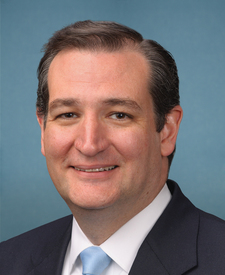
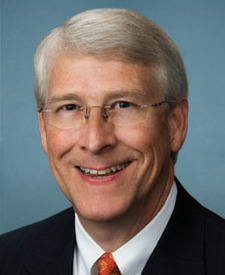
IntroducedMr. Cruz (for himself, Ms. Cantwell, Mr. Sullivan, Mr. Wicker, …
Impact analysis is available but no clear stakeholder effects identified. View clause-level analysis →
Bill Structure & Actor Mappings
Who is "The Secretary" in each section?
- "federal_implementing_agencies"
- → Federal agencies assigned duties by the bill
Key Definitions
Terms defined in this bill
an individual performing work under a contract who the Commandant determines is— providing support to military members or qualified civilian employees of the Coast Guard or another Armed Force
an individual performing work under a contract who the Commandant determines is—(A)providing support to military members or qualified civilian employees of the Coast Guard or another Armed Force
We use a combination of our own taxonomy and classification in addition to large language models to assess meaning and potential beneficiaries. High confidence means strong textual evidence. Always verify with the original bill text.
Learn more about our methodology