To amend the Higher Education Act of 1965 to provide for fiscal accountability, to require institutions of higher education to publish information regarding student success, to provide for school accountability for student loans, and for other purposes.
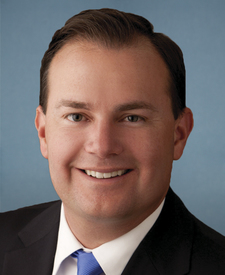
Sponsors
Legislative Progress
IntroducedMr. Lee introduced the following bill; which was read twice …
Summary
What This Bill Does
This bill fundamentally restructures federal student lending by phasing out most existing federal student loan programs and replacing them with new "Federal Direct Simplification Loans" starting July 1, 2025. It eliminates income-based repayment and most loan forgiveness programs, including Public Service Loan Forgiveness for new borrowers. The bill also allows states to create their own alternative accreditation systems for colleges and training programs, bypassing traditional accreditation requirements.
Who Benefits and How
For-profit colleges, trade schools, and non-traditional education providers benefit significantly as they gain access to federal student aid through new state-level accreditation systems that bypass stricter federal oversight. State governments gain new authority to accredit educational institutions and programs. Taxpayers may see reduced federal spending on loan forgiveness programs over time. Institutions with high Pell Grant graduation rates receive a $400 credit per graduate, incentivizing them to enroll and graduate low-income students.
Who Bears the Burden and How
Students and borrowers face significant new burdens: interest begins accruing immediately upon loan disbursement (no grace period), income-contingent repayment is eliminated, and loan forgiveness programs are phased out for new borrowers. Colleges and universities must pay new "default rate fines" if their graduates fail to make regular loan payments, calculated as a percentage of outstanding loans. They must also publish extensive new data about student outcomes, financial aid, and graduate earnings. Public service workers (teachers, nurses, government employees) lose access to Public Service Loan Forgiveness if they borrow after July 2025.
Key Provisions
-
New Loan Structure: Creates "Federal Direct Simplification Loans" with interest rates capped at 8.25% for undergraduates and 9.5% for graduate students, tied to 10-year Treasury yields.
-
End of Loan Forgiveness: Phases out income-driven repayment and loan cancellation programs for loans made after July 1, 2025. Public Service Loan Forgiveness ends for new borrowers.
-
State Accreditation Authority: States can create alternative accreditation systems for colleges, apprenticeship programs, and vocational training that bypass federal accreditation requirements.
-
Institutional Accountability Fines: Schools must pay annual fines based on the percentage of their graduates not making regular loan payments, offset by $400 credits for Pell Grant recipients who graduate.
-
Transparency Requirements: Institutions must publish detailed annual reports on student enrollment, financial aid received, graduation rates, and post-graduation employment outcomes by program.
Evidence Chain:
This summary is derived from the structured analysis below. See "Detailed Analysis" for per-title beneficiaries/burden bearers with clause-level evidence links.
Primary Purpose
We use a combination of our own taxonomy and classification in addition to large language models to assess meaning and potential beneficiaries. High confidence means strong textual evidence. Always verify with the original bill text.
Learn more about our methodology