Precision Brain Health Research Act of 2025
Summary
What This Bill Does
The Precision Brain Health Research Act turns the VA Precision Medicine for Veterans Initiative toward brain injuries and neurodegenerative conditions tied to military service. It adds repetitive low-level blast exposure and dementia to the initiative, requires a VA-DOD data-sharing partnership using data from the Armed Forces, Special Operations Command, and the Defense Health Agency's brain-injury consortium, and orders big-data, implementation, translational, and quality-improvement studies for veterans with likely blast-related injuries.
Who Benefits and How
Veterans exposed to repeated low-level blasts benefit because VA must study diagnosis and care pathways specific to their injury patterns. Veterans with dementia or brain-health symptoms benefit from precision-medicine research that links clinical records, occupational specialties, units, and outcomes. VA researchers benefit from DOD-wide data sharing and National Academies biomarker validation support. Special Operations and other high-blast military communities benefit if the research identifies interventions that work for their exposure profiles.
Who Bears the Burden and How
The VA Secretary must conduct new studies, assess translational research, and coordinate with the National Academies. The Defense Secretary must supply relevant department-wide data into the VA data-sharing platform. VA research offices must run large-scale implementation and quality-improvement studies. Federal taxpayers bear the cost of expanded VA-DOD research, data infrastructure, and National Academies work.
Key Provisions
- Expands the Precision Medicine for Veterans Initiative to cover repetitive low-level blast exposure and dementia.
- Requires a VA-DOD data-sharing partnership using Armed Forces, Special Operations Command, and Defense Health Agency brain-injury data.
- Directs VA to conduct big-data assessments, implementation studies, growth-hormone translational research, and quality-improvement studies.
- Authorizes National Academies work on brain and mental-health biomarker validation with recurring reports to Congress.
Evidence Chain:
This summary is generated from the full bill text using AI analysis. Expand "Detailed Analysis" below for identified beneficiaries/burden bearers with clause-level evidence links.
At a Glance
What This Bill Does
Expands VA precision-medicine brain-health research for veterans by adding repetitive low-level blast exposure and dementia, requiring VA-DOD data sharing, mandating implementation studies, and involving the National Academies in biomarker validation.
Key Policy Areas
Veterans, Medical Research, Defense Health
Primary Purpose
Expands VA precision-medicine brain-health research for veterans by adding repetitive low-level blast exposure and dementia, requiring VA-DOD data sharing, mandating implementation studies, and involving the National Academies in biomarker validation.
Policy Domains
Bill provisions
Identified Gains
- Veterans exposed to repeated low-level blasts
- Veterans with dementia
- VA researchers
- Special Operations communities
Identified Costs
- VA Secretary
- Defense Secretary
- VA research offices
- Federal taxpayers
Sponsors
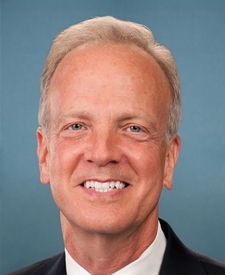
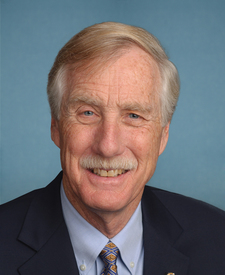

Legislative Progress
ReportedCommittee on Veterans' Affairs. Ordered to be reported with an …
Committee on Veterans' Affairs. Hearings held.
Committee on Veterans' Affairs. Hearings held. Hearings printed: S.Hrg. 119-86.
Mr. Moran (for himself and Mr. King) introduced the following …
Read twice and referred to the Committee on Veterans' Affairs.
Introduced in Senate
Stakeholder Effects
cui bono?How this legislation distributes effects. Mention counts reflect frequency, not effect magnitude.
Veterans exposed to repeated low-level blasts, Veterans with dementia
Department of Defense health data offices, Department of Veterans Affairs
Bill Structure & Actor Mappings
Who is "The Secretary" in each section?
- "secretary"
- → Secretary of Veterans Affairs
- "defense_secretary"
- → Secretary of Defense
We use a combination of our own taxonomy and classification in addition to large language models to assess meaning and potential beneficiaries. High confidence means strong textual evidence. Always verify with the original bill text.
Learn more about our methodology