United States Legal Gold and Mining Partnership Act
Analysis under review: This bill has generated analysis that may be too generic or incomplete. Clause-level evidence remains available below.
Summary
What This Bill Does
The bill creates congressional findings establishing the scope of illicit gold mining in the Western Hemisphere, documenting links between illegal gold extraction and transnational criminal organizations, drug traffickers, establishes key definitions for the Act including artisanal and small-scale mining (ASM), illicit actors (designated terrorists, narcotics traffickers, OFAC-blocked persons), key stakeholders, and relevant Federal, and directs the Secretary of State to develop a comprehensive multi-year Legal Gold and Mining Partnership Strategy to combat illicit gold mining in the Western Hemisphere, including disrupting criminal networks, promoting. It relies on compliance mandates, reporting requirements, trade restrictions, and definition changes. The main policy areas are Foreign Affairs, Energy, Criminal Justice, and Finance.
Who Benefits and How
Department of State could gain revenue opportunities, Artisanal and small-scale gold miners in Colombia, Ecuador, and Peru could gain revenue opportunities, and U.S. companies sourcing responsibly mined gold could gain revenue opportunities.
Who Bears the Burden and How
Department of State would take on compliance duties, Transnational criminal organizations and drug traffickers in gold supply chains could face higher barriers, and Officials of the Maduro regime engaged in illicit gold commercialization could face higher costs.
Key Provisions
- Creates congressional findings establishing the scope of illicit gold mining in the Western Hemisphere, documenting links between illegal gold extraction and transnational criminal organizations, drug traffickers...
- Establishes key definitions for the Act including artisanal and small-scale mining (ASM), illicit actors (designated terrorists, narcotics traffickers, OFAC-blocked persons), key stakeholders, and relevant Federal...
- Directs the Secretary of State to develop a comprehensive multi-year Legal Gold and Mining Partnership Strategy to combat illicit gold mining in the Western Hemisphere, including disrupting criminal networks, promoting...
- Requires the Secretary of State, coordinating with the Director of National Intelligence, to provide a classified briefing within 90 days to congressional committees on illicit gold mining activities in Venezuela...
- Directs the Secretary of State to lead a coordinated international effort to investigate and track Venezuelan assets linked to money laundering and illicit gold mining, and to provide technical assistance to Latin...
Evidence Chain:
This summary is generated from the full bill text using AI analysis. Expand "Detailed Analysis" below for identified beneficiaries/burden bearers with clause-level evidence links.
At a Glance
What This Bill Does
The bill creates congressional findings establishing the scope of illicit gold mining in the Western Hemisphere, documenting links between illegal gold extraction and transnational criminal organizations, drug traffickers, establishes key definitions for the Act including artisanal and small-scale mining (ASM), illicit actors (designated terrorists, narcotics traffickers, OFAC-blocked persons), key stakeholders, and relevant Federal, and directs the Secretary of State to develop a comprehensive multi-year Legal Gold and Mining Partnership Strategy to combat illicit gold mining in the Western Hemisphere, including disrupting criminal networks, promoting.
Key Policy Areas
Foreign Affairs, Energy, Criminal Justice, Finance
Primary Purpose
The bill creates congressional findings establishing the scope of illicit gold mining in the Western Hemisphere, documenting links between illegal gold extraction and transnational criminal organizations, drug traffickers, establishes key definitions for the Act including artisanal and small-scale mining (ASM), illicit actors (designated terrorists, narcotics traffickers, OFAC-blocked persons), key stakeholders, and relevant Federal, and directs the Secretary of State to develop a comprehensive multi-year Legal Gold and Mining Partnership Strategy to combat illicit gold mining in the Western Hemisphere, including disrupting criminal networks, promoting.
Policy Domains
United States Legal Gold and Mining Partnership Act
Identified Gains
- Department of State
- Artisanal and small-scale gold miners in Colombia, Ecuador, and Peru
- U.S. companies sourcing responsibly mined gold
- Artisanal and small-scale gold miners seeking formalization
- Latin American governments (Colombia, Peru) receiving capacity building
Identified Costs
- Department of State
- Transnational criminal organizations and drug traffickers in gold supply chains
- Officials of the Maduro regime engaged in illicit gold commercialization
- Foreign persons laundering illicit gold assets linked to terrorists and drug traffickers
- Foreign commodity traders controlling supply chains linked to illicit actors
Sponsors
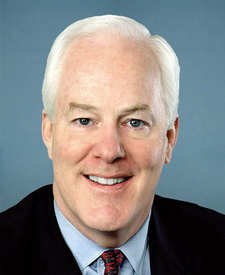
John Cornyn
R-TX | Primary Sponsor
Legislative Progress
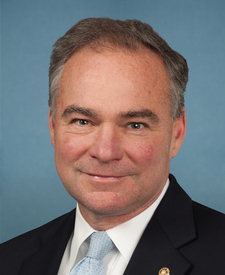
In CommitteeMr. Cornyn (for himself and Mr. Kaine) introduced the following …
Read twice and referred to the Committee on Foreign Relations.
Introduced in Senate
Stakeholder Effects
cui bono?How this legislation distributes effects. Mention counts reflect frequency, not effect magnitude.
Department of State, Department of the Treasury, Latin American governments (Colombia, Peru) receiving capacity building
Department of State faces effects in multiple directions
Positive-direction: Latin American governments (Colombia, Peru) receiving capacity building, Latin American governments receiving sanctions framework assistance
Negative-direction: Department of the Treasury, Maduro regime and Venezuelan state gold enterprises (Minerven), Maduro regime in Venezuela, Office of the Director of National Intelligence, Officials of the Maduro regime engaged in illicit gold commercialization, Ortega-Murillo regime in Nicaragua, U.S. representatives at multilateral institutions and development banks
Transnational criminal organizations and drug traffickers in gold supply chains, Transnational criminal organizations involved in illicit gold mining
Foreign commodity traders controlling supply chains linked to illicit actors, Foreign persons laundering illicit gold assets linked to terrorists and drug traffickers
Artisanal and small-scale gold miners in Colombia, Ecuador, and Peru, Artisanal and small-scale gold miners seeking formalization
U.S. companies sourcing responsibly mined gold, U.S. gold refining and jewelry companies practicing responsible sourcing
Gold certification and traceability service providers
Bill Structure & Actor Mappings
Who is "The Secretary" in each section?
- "the_president"
- → President of the United States
- "the_secretary"
- → Secretary of State
- "the_administrator"
- → Administrator of USAID
Key Definitions
Terms defined in this bill
A form of mining common in the developing world that employs rudimentary, low-cost extractive technologies and manual labor, is frequently subject to limited regulation, and often features harsh and dangerous working conditions.
Includes persons on lists of US-designated foreign terrorist organizations, specially designated global terrorists, significant foreign narcotics traffickers, OFAC blocked persons, and drug trafficking organizations.
Private sector organizations, industry representatives, and civil society groups representing communities in areas affected by illicit mining and trafficking of gold, including indigenous groups.
State, Treasury, DHS (CBP, ICE), DOJ (FBI, DEA), Interior, USAID, and other agencies designated by the President.
We use a combination of our own taxonomy and classification in addition to large language models to assess meaning and potential beneficiaries. High confidence means strong textual evidence. Always verify with the original bill text.
Learn more about our methodology