SAFE Lending Act of 2025
Summary
What This Bill Does
The bill amends Electronic Fund Transfer Act to require consumer written designation to bank before remotely created checks can be issued from their account, with revocation rights, amends Truth in Lending Act: defines small-dollar consumer credit transactions (under ,000, under 12 months), and requires new section 110 of TILA: defines small-dollar consumer credit transaction and requires registration with CFPB before issuing credit, covering loans up to ,000 with terms under 12 months and entities that. It relies on compliance mandates, definition changes, trade restrictions, and product standards. The main policy areas are Finance and Technology.
Who Benefits and How
Consumers with bank accounts could face reduced risk, Consumers using small-dollar loans could see lower costs, and Consumers whose financial data is shared could face reduced risk.
Who Bears the Burden and How
CFPB would take on compliance duties, Online payday and small-dollar lenders would take on compliance duties, and Lead generation companies in lending could lose revenue opportunities.
Key Provisions
- Amends Electronic Fund Transfer Act to require consumer written designation to bank before remotely created checks can be issued from their account, with revocation rights.
- Amends Truth in Lending Act: defines small-dollar consumer credit transactions (under ,000, under 12 months).
- Requires new section 110 of TILA: defines small-dollar consumer credit transaction and requires registration with CFPB before issuing credit, covering loans up to ,000 with terms under 12 months and entities that...
- Amends TILA Chapter 2 to add section 140B restricting lead generation: requires persons distributing sensitive financial information in small-dollar lending to disclose contact information.
- Requires new section 140B establishing lead generation restrictions: requires disclosure of contact information, prohibits distribution of sensitive personal financial information unless directly providing credit...
Evidence Chain:
This summary is generated from the full bill text using AI analysis. Expand "Detailed Analysis" below for identified beneficiaries/burden bearers with clause-level evidence links.
At a Glance
What This Bill Does
The bill amends Electronic Fund Transfer Act to require consumer written designation to bank before remotely created checks can be issued from their account, with revocation rights, amends Truth in Lending Act: defines small-dollar consumer credit transactions (under ,000, under 12 months), and requires new section 110 of TILA: defines small-dollar consumer credit transaction and requires registration with CFPB before issuing credit, covering loans up to ,000 with terms under 12 months and entities that.
Key Policy Areas
Finance, Technology
Primary Purpose
The bill amends Electronic Fund Transfer Act to require consumer written designation to bank before remotely created checks can be issued from their account, with revocation rights, amends Truth in Lending Act: defines small-dollar consumer credit transactions (under ,000, under 12 months), and requires new section 110 of TILA: defines small-dollar consumer credit transaction and requires registration with CFPB before issuing credit, covering loans up to ,000 with terms under 12 months and entities that.
Policy Domains
Section 2 - Consumer control over bank accounts (remotely created checks, EFT protections)
Identified Gains
- Consumers with bank accounts
- Consumers using small-dollar loans
- Consumers whose financial data is shared
- Consumers applying for small-dollar loans
- Indian Tribes and tribal members
Identified Costs
- CFPB
- Online payday and small-dollar lenders
- Lead generation companies in lending
- Lead generation and data broker companies
- Small-dollar lenders and loan brokers
Sponsors

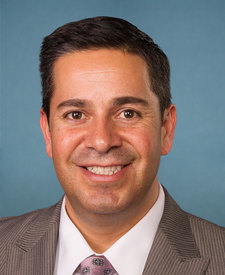


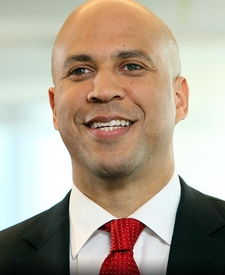
Legislative Progress
In CommitteeMr. Merkley (for himself, Mr. Sanders, Mr. Wyden, Mr. Van …
Read twice and referred to the Committee on Banking, Housing, …
Introduced in Senate
Stakeholder Effects
cui bono?How this legislation distributes effects. Mention counts reflect frequency, not effect magnitude.
Depository institutions (banks), Lead generation and data broker companies, Lead generation companies in lending
Consumers applying for small-dollar loans, Consumers using small-dollar loans, Consumers whose financial data is shared
Bill Structure & Actor Mappings
Who is "The Secretary" in each section?
- "bureau"
- → CFPB
- "consumer"
- → Bank account holder
- "bureau"
- → CFPB
- "bureau"
- → CFPB
- "gao"
- → Comptroller General
- "bureau"
- → CFPB
Key Definitions
Terms defined in this bill
Credit up to ,000 (or CPI-adjusted amount) with term under 12 months, including installment loans, open-end plans with defined repayment, and actions that facilitate/broker/arrange such transactions
SSN, financial account number, bank routing/account number, or security code necessary to access a financial account
Paper or electronic check not created by the financial institution holding the account and not bearing the account holder's applied signature
We use a combination of our own taxonomy and classification in addition to large language models to assess meaning and potential beneficiaries. High confidence means strong textual evidence. Always verify with the original bill text.
Learn more about our methodology