Lieutenant Osvaldo Albarati Stopping Prison Contraband Act
Summary
What This Bill Does
The Lieutenant Osvaldo Albarati Stopping Prison Contraband Act adds phones to the federal prohibited-objects statute for prisons and requires the Bureau of Prisons to review policies for inmates who make, receive, or possess unauthorized communication devices. The bill targets contraband cell phones that allow incarcerated people to coordinate threats, fraud, drug trafficking, witness intimidation, or other crimes from inside prison.
Who Benefits and How
Correctional officers benefit because criminalizing phone provision can reduce a major prison-security risk. Victims and witnesses benefit if fewer contraband phones are available for intimidation or retaliation. Federal prison administrators benefit from clearer statutory authority and a required policy review. Local communities benefit if prison-based criminal coordination becomes harder.
Who Bears the Burden and How
People who provide phones to federal prisoners face new or increased criminal penalties. Inmates using contraband phones face higher enforcement risk. The Bureau of Prisons must review communication policies and implement any needed changes. Federal prosecutors must evaluate cases involving provision of phones as prison contraband.
Key Provisions
- Adds prohibited provision of a phone to the federal prison contraband statute.
- Requires the Bureau of Prisons Director to review policies on unauthorized inmate communication.
- Targets inmates who make, receive, or possess unauthorized phones or similar devices.
- Creates a security-focused enforcement tool named for Lieutenant Osvaldo Albarati.
Evidence Chain:
This summary is generated from the full bill text using AI analysis. Expand "Detailed Analysis" below for identified beneficiaries/burden bearers with clause-level evidence links.
At a Glance
What This Bill Does
Makes providing a phone to a federal prisoner a prohibited contraband offense and requires the Bureau of Prisons to review inmate communication policies.
Key Policy Areas
Criminal Justice, Corrections, Public Safety
Primary Purpose
Makes providing a phone to a federal prisoner a prohibited contraband offense and requires the Bureau of Prisons to review inmate communication policies.
Policy Domains
Bill provisions
Identified Gains
- Correctional officers
- Victims and witnesses
- Federal prison administrators
- Local communities
Identified Costs
- People providing phones to prisoners
- Federal inmates using contraband phones
- Bureau of Prisons
- Federal prosecutors
Sponsors
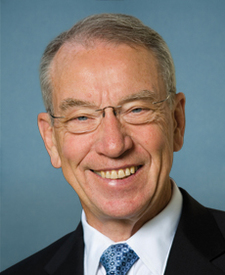
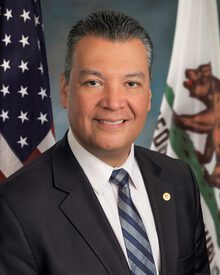


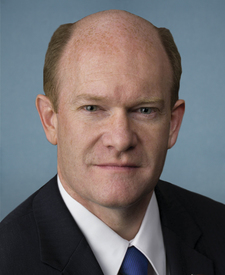
Legislative Progress
Passed SenateHeld at the desk.
Received in the House.
Message on Senate action sent to the House.
Passed Senate without amendment by Voice Vote. (consideration: CR S2723, …
Passed/agreed to in Senate: Passed Senate without amendment by Voice …
Placed on Senate Legislative Calendar under General Orders. Calendar No. …
Committee on the Judiciary. Reported by Senator Grassley without amendment. …
Reported by Mr. Grassley, without amendment
Committee on the Judiciary. Ordered to be reported without amendment …
Mr. Grassley (for himself, Mr. Ossoff, Mrs. Hyde-Smith, and Mr. …
Stakeholder Effects
cui bono?How this legislation distributes effects. Mention counts reflect frequency, not effect magnitude.
Correctional officers, Federal inmates using contraband phones
Positive-direction: Correctional officers
Negative-direction: Federal inmates using contraband phones
Bureau of Prisons, Federal prison administrators
Positive-direction: Federal prison administrators
Negative-direction: Bureau of Prisons
Bill Structure & Actor Mappings
Who is "The Secretary" in each section?
- "director"
- → Director of the Bureau of Prisons
We use a combination of our own taxonomy and classification in addition to large language models to assess meaning and potential beneficiaries. High confidence means strong textual evidence. Always verify with the original bill text.
Learn more about our methodology