Fighting Foreign Illegal Seafood Harvests Act of 2025
Summary
What This Bill Does
The Fighting Foreign Illegal Seafood Harvests Act of 2025 targets illegal, unreported, and unregulated fishing and seafood supply chains tied to forced labor. It directs federal agencies to build and publish an IUU vessel list covering foreign vessels, fleets, and beneficial owners; expands sanctions and visa consequences for foreign persons connected to listed vessels; and pushes stronger enforcement through the Coast Guard, NOAA, Customs and Border Protection, the State Department, and the Maritime SAFE Act working group.
The bill also focuses on prevention and data. It requires strategies for data sharing, import screening, forced-labor seafood identification, regional fisheries management enforcement, technology use, and international capacity building. It reauthorizes National Sea Grant College Program funding through 2031 and preserves existing authorities and import-sanctions limits through rule-of-construction provisions.
Who Benefits and How
U.S. commercial fishermen, lawful seafood importers, domestic seafood processors, seafood consumers, labor-rights advocates, marine conservation groups, National Sea Grant universities, regional fisheries managers, and U.S. seafood markets benefit from stronger action against foreign IUU fishing and seafood harvested with forced labor. Better enforcement can reduce unfair competition from illegal catch and improve confidence in seafood supply chains.
Who Bears the Burden and How
Foreign IUU fishing vessels, foreign fleets, beneficial owners of listed vessels, forced-labor seafood supply chains, and foreign officials tied to IUU activity face listing, visa, and sanctions exposure. NOAA, the Coast Guard, CBP, the State Department, the Labor Department, the Treasury Department, Homeland Security, USAID, and the Maritime SAFE Act working group must build lists, coordinate data, publish strategies, conduct reports, and expand enforcement cooperation.
Key Provisions
- Defines IUU fishing, forced labor, beneficial owners, fish, seafood products, priority flag states, and relevant agency roles.
- Requires a public IUU vessel list for foreign vessels, fleets, and beneficial owners.
- Authorizes visa and sanctions consequences for foreign persons connected to IUU-listed vessels.
- Encourages stronger international agreements and treaty participation against IUU fishing.
- Directs Coast Guard high-seas observation and boarding efforts for suspected IUU vessels.
- Requires regional fisheries management strategies targeting IUU fishing and forced-labor abuses.
- Requires data-sharing strategies to keep IUU and forced-labor seafood out of U.S. commerce.
- Encourages technical assistance and investment in foreign fisheries-sector capacity.
- Requires CBP-linked strategy work to identify seafood harvested with forced labor.
- Reauthorizes National Sea Grant College Program funding through fiscal year 2031.
Evidence Chain:
This summary is generated from the full bill text using AI analysis. Expand "Detailed Analysis" below for identified beneficiaries/burden bearers with clause-level evidence links.
At a Glance
What This Bill Does
Combats foreign illegal, unreported, and unregulated fishing and seafood forced-labor supply chains through an IUU vessel list, visa sanctions, enforcement coordination, data sharing, capacity building, reporting, and Sea Grant reauthorization.
Key Policy Areas
Fisheries, Trade, Foreign Policy, Labor
Primary Purpose
Combats foreign illegal, unreported, and unregulated fishing and seafood forced-labor supply chains through an IUU vessel list, visa sanctions, enforcement coordination, data sharing, capacity building, reporting, and Sea Grant reauthorization.
Policy Domains
Whole bill
Identified Gains
- U.S. commercial fishermen
- Lawful seafood importers
- Domestic seafood processors
- Seafood consumers
- Labor-rights advocates
- Marine conservation groups
- National Sea Grant universities
- Regional fisheries managers
Identified Costs
- Foreign IUU fishing vessels
- Foreign fishing fleets
- Beneficial owners of listed vessels
- Forced-labor seafood supply chains
- NOAA
- Coast Guard
- Customs and Border Protection
- State Department
- Treasury Department
- Labor Department
Sponsors

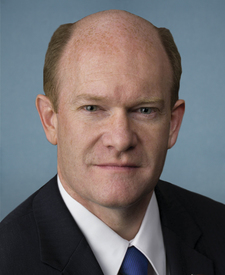


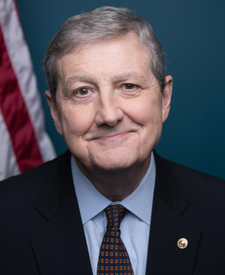
Legislative Progress
Passed SenateHeld at the desk.
Received in the House.
Message on Senate action sent to the House.
Measure laid before Senate by unanimous consent. (consideration: CR S1496-1503)
The committee amendment withdrawn by Unanimous Consent.
Passed/agreed to in Senate: Passed Senate with an amendment by …
Passed Senate with an amendment by Unanimous Consent. (text of …
Reported by Mr. Cruz, with an amendment
Placed on Senate Legislative Calendar under General Orders. Calendar No. …
Committee on Commerce, Science, and Transportation. Reported by Senator Cruz …
Stakeholder Effects
cui bono?How this legislation distributes effects. Mention counts reflect frequency, not effect magnitude.
Beneficial owners of listed vessels, Forced-labor seafood importers, Foreign IUU fishing vessels
Positive-direction: Lawful seafood importers, U.S. commercial fishermen
Negative-direction: Beneficial owners of listed vessels, Forced-labor seafood importers, Foreign IUU fishing vessels, Foreign forced-labor fishing fleets
Commerce Department, Maritime SAFE Act working group, NOAA
Foreign fisheries agencies, Foreign fisheries governments
Positive-direction: Foreign fisheries agencies
Negative-direction: Foreign fisheries governments
Bill Structure & Actor Mappings
Who is "The Secretary" in each section?
- "secretary"
- → Secretary named in the operative provision
- "administrator"
- → NOAA Administrator
- "working_group"
- → Maritime SAFE Act Interagency Working Group on IUU Fishing
Key Definitions
Terms defined in this bill
Illegal, unreported, or unregulated fishing as described in international fisheries guidance.
Forced labor as defined in section 307 of the Tariff Act of 1930.
We use a combination of our own taxonomy and classification in addition to large language models to assess meaning and potential beneficiaries. High confidence means strong textual evidence. Always verify with the original bill text.
Learn more about our methodology