To authorize the Secretary of Commerce to review and prohibit certain transactions between persons in the United States and foreign adversaries, and for other purposes.
Analysis under review: This bill has generated analysis that may be too generic or incomplete. Clause-level evidence remains available below.
Summary
What This Bill Does
This bill gives the Secretary of Commerce sweeping authority to investigate, block, or require divestment of technology products and services from foreign adversaries (like China, Russia, Iran) that are deemed national security threats. It targets everything from TikTok-like apps to telecom equipment, cloud services, drones, and AI systems.
Who Benefits and How
Domestic technology companies benefit by having foreign competitors restricted or banned from the US market, reducing competition. Cybersecurity firms gain opportunities as companies need help with compliance reviews and risk assessments. Defense contractors and national security consultants see increased demand for threat analysis services.
Who Bears the Burden and How
Foreign technology companies (especially Chinese) face potential bans or forced divestiture of US operations. US businesses using foreign ICT products must undergo reviews and may need to switch vendors at significant cost. Consumers may lose access to popular apps and services. Parties under investigation have limited judicial review options as courts must defer to executive determinations.
Key Provisions
- Secretary can prohibit any ICT transaction deemed a national security risk without standard administrative procedure requirements
- Covers broad categories: telecommunications, cloud computing, AI, drones, IoT devices, social media
- Civil penalties up to $250,000 per violation; criminal penalties up to $1 million and 20 years imprisonment
- Very limited judicial review - courts cannot second-guess executive determinations except for constitutional violations
Evidence Chain:
This summary is generated from the full bill text using AI analysis. Expand "Detailed Analysis" below for identified beneficiaries/burden bearers with clause-level evidence links.
At a Glance
What This Bill Does
Grants the Secretary of Commerce broad authority to review, prohibit, and mitigate transactions involving information and communications technology (ICT) products and services from foreign adversaries that pose national security risks
Key Policy Areas
National Security, Technology, Foreign Investment, Telecommunications
Primary Purpose
Grants the Secretary of Commerce broad authority to review, prohibit, and mitigate transactions involving information and communications technology (ICT) products and services from foreign adversaries that pose national security risks
Policy Domains
Main Act - RESTRICT Act
Identified Gains
- Domestic technology companies
- Cybersecurity firms
- National security consultants
- Defense contractors
Identified Costs
- Foreign technology companies
- US businesses using foreign ICT
- Technology consumers
- Parties under investigation
Sponsors
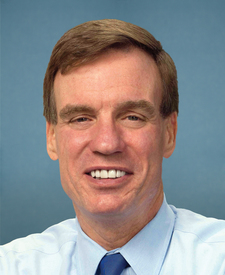


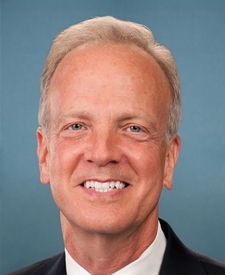
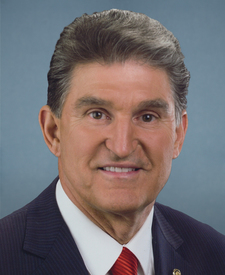
Legislative Progress
IntroducedMr. Warner (for himself, Mr. Thune, Ms. Baldwin, Mrs. Fischer, …
Stakeholder Effects
cui bono?How this legislation distributes effects. Mention counts reflect frequency, not effect magnitude.
Companies dealing with foreign adversary entities, Companies under ICT transaction review, Entities potentially placed on restricted lists
Positive-direction: US domestic technology companies
Negative-direction: Companies dealing with foreign adversary entities, Companies under ICT transaction review, Entities potentially placed on restricted lists, Entities violating RESTRICT Act orders, Foreign ICT companies from adversary nations, Foreign technology companies from adversary nations, Parties challenging RESTRICT Act enforcement actions, Parties subject to enforcement seeking transparency, Persons violating RESTRICT Act prohibitions, US companies with foreign adversary investors, US tech companies with foreign adversary ownership
Committee on Foreign Investment in the United States, Department of Commerce, Department of Commerce and Executive Branch
Compliance and legal advisory firms, Legal services firms handling RESTRICT Act compliance, National security consultants
Foreign adversary investors in US ICT companies, Foreign investors already cleared by CFIUS
Positive-direction: Foreign investors already cleared by CFIUS
Negative-direction: Foreign adversary investors in US ICT companies
Domestic telecommunications equipment companies, Foreign telecommunications equipment manufacturers
Positive-direction: Domestic telecommunications equipment companies
Negative-direction: Foreign telecommunications equipment manufacturers
Domestic cloud service providers, Foreign cloud service providers
Positive-direction: Domestic cloud service providers
Negative-direction: Foreign cloud service providers
Bill Structure & Actor Mappings
Who is "The Secretary" in each section?
- "cfius"
- → Committee on Foreign Investment in the United States
- "the_president"
- → President of the United States
- "the_secretary"
- → Secretary of Commerce
Key Definitions
Terms defined in this bill
Information determined pursuant to Executive Order 13526 to require protection against unauthorized disclosure
A holding with the power to determine, direct, or decide important matters affecting an entity
A controlling holding held directly or indirectly in an ICTS covered holding entity by a foreign adversary or entity subject to foreign adversary jurisdiction
A transaction in which a foreign adversary or entity owned/directed/controlled by foreign adversary has any interest
Foreign governments or regimes designated by Secretary as engaging in conduct contrary to US national security interests (China, Russia, Iran, etc.)
Entity that owns, controls, or manages ICT products or services used by more than 1 million US persons or critical infrastructure
We use a combination of our own taxonomy and classification in addition to large language models to assess meaning and potential beneficiaries. High confidence means strong textual evidence. Always verify with the original bill text.
Learn more about our methodology