Complete COVID Collections Act
Summary
What This Bill Does
The Complete COVID Collections Act targets fraud and improper payments across PPP, second-draw PPP, COVID EIDL loans and advances, Restaurant Revitalization grants, Shuttered Venue Operator grants, and other COVID relief funds. It extends the Special Inspector General for Pandemic Recovery through September 30, 2030 and requires SBA cooperation and data sharing, harmonizes criminal and civil fraud enforcement periods at 10 years for covered loans and grants, requires SBA to refer covered loan claims under $100,000 to Treasury for collection decisions, requires monthly SBA briefings and annual nondelegable testimony, requires DOJ monthly reports on COVID program fraud prosecutions, referrals, recoveries, and declinations, directs the Pandemic Response Accountability Committee to publish real-time recovery data, and sends fraud recoveries solely to federal debt reduction.
Who Benefits and How
Federal taxpayers benefit because fraudulent COVID relief recoveries must be applied to debt reduction and collection tools are strengthened. Congressional small business committees benefit from monthly SBA briefings, annual testimony, and DOJ program-by-program fraud data. The Special Inspector General for Pandemic Recovery benefits from extended authority and SBA data access for covered programs. DOJ fraud prosecutors benefit from a 10-year enforcement window and recurring reporting structure for COVID fraud cases. Pandemic Response Accountability Committee users benefit from real-time public data on recovered COVID relief funds by program and dollar amount.
Who Bears the Burden and How
The SBA Administrator must refer covered loan claims, brief Congress every 30 days, testify annually, and provide data to the Special Inspector General. Treasury collection offices must decide whether to suspend, end, or pursue collections on referred SBA COVID loan claims under $100,000. Businesses and entities that obtained covered funds by fraud face longer criminal and civil enforcement exposure. The Attorney General must submit monthly reports on prosecutions, referrals, recoveries, declinations, and program-specific dispositions. The Pandemic Response Accountability Committee must establish and maintain real-time recovery data on its website.
Key Provisions
- Extends Special Inspector General for Pandemic Recovery authority through September 30, 2030 and requires SBA cooperation.
- Establishes a 10-year limitations period for criminal and civil fraud actions involving covered COVID loans and grants.
- Requires SBA referral of covered loan claims under $100,000 to Treasury and recurring congressional briefings and testimony.
- Requires monthly DOJ reports on COVID program fraud prosecutions, recoveries, referrals, declined cases, and dispositions.
- Requires real-time recovery transparency and directs fraud collections solely toward reduction of federal debt.
Evidence Chain:
This summary is generated from the full bill text using AI analysis. Expand "Detailed Analysis" below for identified beneficiaries/burden bearers with clause-level evidence links.
At a Glance
What This Bill Does
Extends pandemic fraud oversight and collection tools by expanding Special Inspector General authority to SBA covered programs, setting 10-year COVID fraud enforcement windows, forcing SBA loan-claim referrals to Treasury, requiring DOJ monthly fraud reports, posting real-time recoveries, and applying fraud recoveries to debt reduction.
Key Policy Areas
Small Business, Fraud Enforcement, Federal Spending
Primary Purpose
Extends pandemic fraud oversight and collection tools by expanding Special Inspector General authority to SBA covered programs, setting 10-year COVID fraud enforcement windows, forcing SBA loan-claim referrals to Treasury, requiring DOJ monthly fraud reports, posting real-time recoveries, and applying fraud recoveries to debt reduction.
Policy Domains
Bill provisions
Identified Gains
- Federal taxpayers
- Congressional small business committees
- Special Inspector General for Pandemic Recovery
- DOJ fraud prosecutors
- Pandemic Response Accountability Committee users
Identified Costs
- SBA Administrator
- Treasury collection offices
- COVID relief fraud defendants
- Attorney General
- Pandemic Response Accountability Committee
Sponsors

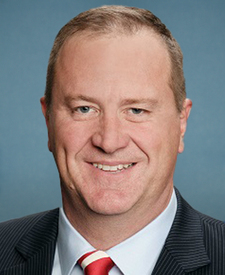

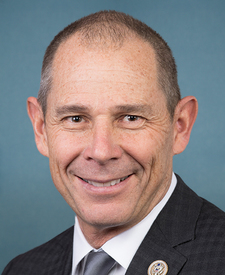
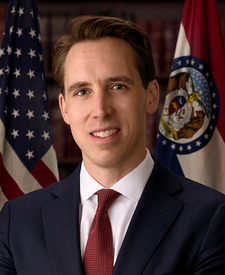
Legislative Progress
ReportedReported by Ms. Ernst, with amendments
Placed on Senate Legislative Calendar under General Orders. Calendar No. …
Committee on Small Business and Entrepreneurship. Reported by Senator Ernst …
Committee on Small Business and Entrepreneurship. Ordered to be reported …
Ms. Ernst (for herself, Mr. Young, Mrs. Blackburn, Mr. Lankford, …
Ms. Ernst (for herself, Mr. Young, Mrs. Blackburn, Mr. Lankford, …
Read twice and referred to the Committee on Small Business …
Introduced in Senate
Stakeholder Effects
cui bono?How this legislation distributes effects. Mention counts reflect frequency, not effect magnitude.
Attorney General, Congressional small business committees, Pandemic Response Accountability Committee users
Positive-direction: Congressional small business committees, Pandemic Response Accountability Committee users, Special Inspector General for Pandemic Recovery
Negative-direction: Attorney General, SBA Administrator, Treasury collection offices
COVID relief fraud defendants, DOJ fraud prosecutors
Positive-direction: DOJ fraud prosecutors
Negative-direction: COVID relief fraud defendants
Bill Structure & Actor Mappings
Who is "The Secretary" in each section?
- "administrator"
- → Small Business Administration Administrator
- "attorney_general"
- → Attorney General
We use a combination of our own taxonomy and classification in addition to large language models to assess meaning and potential beneficiaries. High confidence means strong textual evidence. Always verify with the original bill text.
Learn more about our methodology