To require the designation of certain airports as ports of entry.
Analysis under review: This bill has generated analysis that may be too generic or incomplete. Clause-level evidence remains available below.
Summary
What This Bill Does
This bill requires the President to officially designate certain border airports as federal ports of entry and eliminates U.S. Customs and Border Protection user fees for these airports. To qualify, airports must be primary airports (handling over 10,000 annual passenger boardings) located within 30 miles of the northern or southern international border, formally connected to a nearby land border crossing or seaport, and meet CBP'''s criteria for establishing a port of entry.
Who Benefits and How
Border airports that meet the criteria are the primary beneficiaries, receiving both official port of entry designation and elimination of CBP user fees, which reduces their operating costs and makes them more competitive for international flights. Airlines serving these border routes also benefit through lower fees. Cross-border travelers and businesses using these airports may see reduced costs if the fee savings are passed through. Border communities with qualifying airports stand to gain economically from increased international air traffic and improved connectivity.
Who Bears the Burden and How
U.S. Customs and Border Protection and the U.S. Treasury face lost revenue from eliminated user fees, which could require additional congressional appropriations to maintain operations. CBP also faces increased compliance burdens from having to establish and staff new ports of entry at qualifying airports. Ultimately, taxpayers may bear the cost if lost fee revenue must be replaced through general appropriations rather than user fees.
Key Provisions
- Mandates presidential designation of qualifying border airports as official ports of entry under the Act of August 1, 1914 (19 U.S.C. 2)
- Eliminates user fee requirements under section 236 of the Trade and Tariff Act of 1984 (19 U.S.C. 58b) for designated airports
- Limits eligibility to primary airports within 30 miles of U.S. international land borders
- Requires formal association (contract or ordinance) between qualifying airports and nearby land border crossings or seaports
- References Treasury Decision 82-37 and subsequent revisions as the standard for CBP numerical criteria
Evidence Chain:
This summary is generated from the full bill text using AI analysis. Expand "Detailed Analysis" below for identified beneficiaries/burden bearers.
At a Glance
What This Bill Does
Requires the President to designate certain border airports as ports of entry and eliminates user fees for qualifying airports near international land borders
Who Benefits
- Border airports meeting criteria (reduced operating costs from fee elimination)
- Airlines serving border routes (lower fees passed through)
- Cross-border travelers and businesses (potentially faster customs processing)
Who Bears Costs
- U.S. Treasury/Customs and Border Protection (loss of user fee revenue)
- Taxpayers (if CBP needs additional appropriations to cover lost fee revenue or expanded operations)
Key Policy Areas
Customs And Border Protection, Aviation Infrastructure, Trade Facilitation
Primary Purpose
Requires the President to designate certain border airports as ports of entry and eliminates user fees for qualifying airports near international land borders
Policy Domains
Legislative Strategy
"Facilitate cross-border trade and travel by eliminating user fees at border airports and mandating their designation as official ports of entry"
Identified Gains
- Border airports meeting criteria (reduced operating costs from fee elimination)
- Airlines serving border routes (lower fees passed through)
- Cross-border travelers and businesses (potentially faster customs processing)
- Border communities with qualifying airports (economic development)
Identified Costs
- U.S. Treasury/Customs and Border Protection (loss of user fee revenue)
- Taxpayers (if CBP needs additional appropriations to cover lost fee revenue or expanded operations)
Sponsors
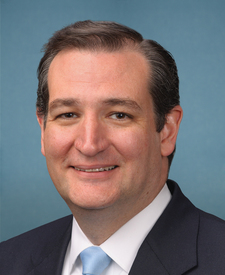
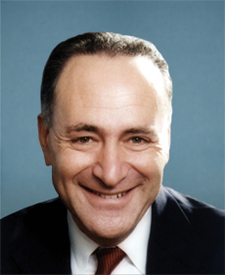


Legislative Progress
IntroducedMr. Cruz (for himself, Mrs. Gillibrand, Mr. Cornyn, and Mr. …
Stakeholder Effects
cui bono?How this legislation distributes effects. Mention counts reflect frequency, not effect magnitude.
Airlines serving border airport routes, Border airports meeting qualification criteria, Border airports meeting qualification criteria (primary airports within 30 miles of northern or southern international land border)
Customs and Border Protection, U.S. Treasury (general revenue)
Border communities with qualifying airports
Bill Structure & Actor Mappings
Who is "The Secretary" in each section?
- "the_president"
- → President of the United States
- "implementing_agency"
- → U.S. Customs and Border Protection
Key Definitions
Terms defined in this bill
An airport that: (1) is a primary airport under 49 USC 47102; (2) is located within 30 miles of northern or southern international land border; (3) is associated through formal legal instrument with a land border crossing or seaport within 30 miles; (4) meets CBP numerical criteria for establishing a port of entry per Treasury Decision 82-37 and successors
As defined in section 47102 of title 49, United States Code (generally airports with over 10,000 annual passenger boardings)
We use a combination of our own taxonomy and classification in addition to large language models to assess meaning and potential beneficiaries. High confidence means strong textual evidence. Always verify with the original bill text.
Learn more about our methodology