To allow nonprofit child care providers to participate in certain loan programs of the Small Business Administration, and for other purposes.
Analysis under review: This bill has generated analysis that may be too generic or incomplete. Clause-level evidence remains available below.
Summary
What This Bill Does
This bill expands access to Small Business Administration (SBA) loan programs for nonprofit child care providers. Currently, nonprofits generally cannot access SBA 7(a) loans and CDC/504 financing because they are not considered small business concerns. This bill changes that by deeming qualifying nonprofit child care providers as eligible small businesses.
Who Benefits and How
Nonprofit child care centers benefit by gaining access to low-interest SBA loans and financing that were previously unavailable to them. They can borrow up to $500,000 without needing a third-party guarantee, making it easier to expand facilities, hire staff, or improve services. Faith-based child care providers specifically benefit from a provision that prohibits the SBA from denying loans based on religious activities.
Who Bears the Burden and How
The Small Business Administration must administer the new loan category and submit annual reports to Congress on loan volume and amounts. Commercial child care businesses may face increased competition from nonprofits that now have access to favorable SBA financing terms.
Key Provisions
- Defines eligible nonprofit child care providers as those with 501(c)(3) status, state licensing, criminal background checks for staff, and non-discrimination certification
- Loans up to $500,000 do not require a third-party guarantee; larger loans do
- Religious activities cannot be used as a basis to deny loan eligibility
- Requires annual Congressional reporting on loan volume to nonprofit child care providers
Evidence Chain:
This summary is generated from the full bill text using AI analysis. Expand "Detailed Analysis" below for identified beneficiaries/burden bearers.
At a Glance
What This Bill Does
Allows nonprofit child care providers to participate in Small Business Administration loan programs by deeming them eligible as small business concerns
Key Policy Areas
Child Care, Small Business, Finance
Primary Purpose
Allows nonprofit child care providers to participate in Small Business Administration loan programs by deeming them eligible as small business concerns
Policy Domains
Small Business Child Care Investment Act
Identified Gains
Contextual inference, no direct clause citation- Nonprofit child care centers
- Faith-based child care providers
- Working families needing child care
Contextual inference, no direct clause citation
Identified Costs
Contextual inference, no direct clause citation- Small Business Administration
- Commercial child care businesses
Contextual inference, no direct clause citation
Sponsors
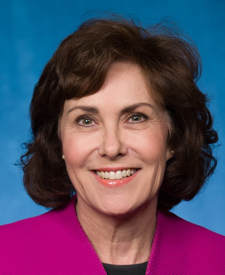

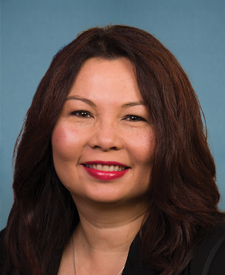
Legislative Progress
ReportedReported by Mr. Cardin, without amendment
Ms. Rosen (for herself, Ms. Ernst, Ms. Duckworth, Mr. Rubio, …
Ms. Rosen (for herself, Ms. Ernst, Ms. Duckworth, and Mr. …
Stakeholder Effects
cui bono?How this legislation distributes effects. Mention counts reflect frequency, not effect magnitude.
Faith-based child care providers, Nonprofit child care centers (501(c)(3) organizations providing child care)
Bill Structure & Actor Mappings
Who is "The Secretary" in each section?
- "the_administrator"
- → Administrator of the Small Business Administration
Key Definitions
Terms defined in this bill
An organization that: (1) complies with state child care licensing requirements, (2) is a 501(c)(3) tax-exempt organization, (3) is primarily engaged in providing child care for children from birth to compulsory school age, (4) meets SBA size standards, (5) has employees and volunteers who pass criminal background checks, (6) may provide school-age care or preschool programs, and (7) certifies it will not discriminate in business practices
We use a combination of our own taxonomy and classification in addition to large language models to assess meaning and potential beneficiaries. High confidence means strong textual evidence. Always verify with the original bill text.
Learn more about our methodology