To ensure due process protections of individuals in the United States against unlawful detention based solely on a protected characteristic.
Analysis under review: This bill has generated analysis that may be too generic or incomplete. Clause-level evidence remains available below.
Summary
What This Bill Does
This bill, To ensure due process protections of individuals in the United States against unlawful detention based solely on a protected characteristic., changes federal law or congressional policy affecting law enforcement, courts, victims, and regulated public-safety actors. The main policy domain is Criminal Justice, Civil Rights, Social Welfare.
Who Benefits and How
law enforcement, courts, victims, and regulated public-safety actors may benefit from new authority, funding, eligibility, regulatory clarity, or reduced risk created by the bill.
Who Bears the Burden and How
federal implementing agencies, law enforcement, courts, victims, and regulated public-safety actors may take on implementation duties, reporting obligations, compliance costs, or oversight responsibilities.
Key Provisions
- Section HD16505CFB0764B77ADA8E85311812998: 1. Short title This Act may be cited as the Korematsu-Takai Civil Liberties Protection Act of 2025.
- Section H3A00CD2E6BA3409283E262099112CF4A: 2. Prohibition against unlawful detention Section 4001 of title 18, United States Code, is amended— by redesignating subsection (b) as subsection (c); and by...
Evidence Chain:
This summary is generated from the full bill text using AI analysis. Expand "Detailed Analysis" below for identified beneficiaries/burden bearers.
At a Glance
What This Bill Does
This bill, To ensure due process protections of individuals in the United States against unlawful detention based solely on a protected characteristic., changes federal law or congressional policy affecting law enforcement, courts, victims, and regulated public-safety actors.
Key Policy Areas
Criminal Justice, Civil Rights, Social Welfare
Primary Purpose
This bill, To ensure due process protections of individuals in the United States against unlawful detention based solely on a protected characteristic., changes federal law or congressional policy affecting law enforcement, courts, victims, and regulated public-safety actors.
Policy Domains
Whole bill
Identified Gains
Contextual inference, no direct clause citation- law enforcement, courts, victims, and regulated public-safety actors
Contextual inference, no direct clause citation
Identified Costs
Contextual inference, no direct clause citation- federal implementing agencies
- law enforcement, courts, victims, and regulated public-safety actors
Contextual inference, no direct clause citation
Sponsors
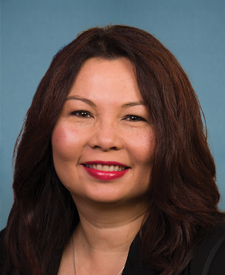

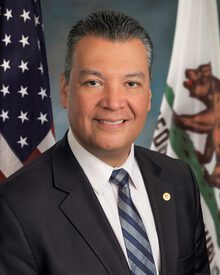


Legislative Progress
IntroducedMs. Duckworth (for herself, Ms. Hirono, Mr. Kaine, Mr. Blumenthal, …
Bill Structure & Actor Mappings
Who is "The Secretary" in each section?
- "federal_implementing_agencies"
- → Federal agencies assigned duties by the bill
We use a combination of our own taxonomy and classification in addition to large language models to assess meaning and potential beneficiaries. High confidence means strong textual evidence. Always verify with the original bill text.
Learn more about our methodology