Veterinary Services to Improve Public Health in Rural Communities Act
Summary
What This Bill Does
Adds a new public health veterinary services authority to the Indian Health Care Improvement Act. The Secretary of Health and Human Services, acting through the Indian Health Service, may spend funds directly or through Indian Self-Determination and Education Assistance Act agreements to prevent and control zoonotic disease transmission in IHS service areas where disease risk in humans and wildlife is endemic. Covered services include spaying and neutering domestic animals, diagnosis, surveillance, epidemiology, control, prevention, elimination, vaccination, and work that reduces zoonotic disease or antimicrobial-resistance risks in humans, food, or animals.
Who Benefits and How
Indian Tribes, Tribal organizations, families in IHS service areas, domestic animal owners, and rural communities benefit from access to veterinary public health services that can reduce rabies, other zoonotic disease risks, and antimicrobial-resistance risks before they become human public-health problems. The Indian Health Service can deploy Commissioned Corps veterinary public health officers to affected service areas and coordinate disease-surveillance and prevention work with CDC and USDA.
Who Bears the Burden and How
The Indian Health Service must administer the funding authority, deploy or assign veterinary public health officers, coordinate with the Centers for Disease Control and Prevention and Department of Agriculture, collect disease-surveillance and service data, and submit biennial reports to four House and Senate committees. Commissioned Corps veterinary public health officers may be assigned to service areas, and federal taxpayers fund any services provided under the authority.
Key Provisions
- Defines public health veterinary services to include spaying, neutering, diagnosis, surveillance, epidemiology, control, prevention, elimination, vaccination, and antimicrobial-resistance work.
- Defines zoonotic disease as an infection naturally transmitted between vertebrate animals and humans.
- Authorizes IHS to spend funds directly or through tribal self-determination agreements for veterinary public health services in endemic-risk service areas.
- Authorizes assignment or deployment of Commissioned Corps veterinary public health officers to IHS service areas.
- Requires coordination with CDC and USDA on public health veterinary activities.
- Requires biennial reports to Indian Affairs, HELP, Natural Resources, and Energy and Commerce committees on funds, officers, surveillance data, and services.
Evidence Chain:
This summary is generated from the full bill text using AI analysis. Expand "Detailed Analysis" below for identified beneficiaries/burden bearers with clause-level evidence links.
At a Glance
What This Bill Does
Amends the Indian Health Care Improvement Act to authorize Indian Health Service-funded public health veterinary services in endemic-risk service areas, including spay/neuter, diagnosis, surveillance, epidemiology, control, prevention, elimination, vaccination, and antimicrobial-resistance work.
Key Policy Areas
Tribal Affairs, Public Health, Animal Health
Primary Purpose
Amends the Indian Health Care Improvement Act to authorize Indian Health Service-funded public health veterinary services in endemic-risk service areas, including spay/neuter, diagnosis, surveillance, epidemiology, control, prevention, elimination, vaccination, and antimicrobial-resistance work.
Policy Domains
Section 3 / IHCIA section 224 - Tribal public health veterinary services
Identified Gains
- Indian Tribes
- Tribal organizations
- Families in Indian Health Service areas
- Domestic animal owners in Tribal communities
- Centers for Disease Control and Prevention surveillance programs
Identified Costs
- Indian Health Service
- Commissioned Corps veterinary public health officers
- Centers for Disease Control and Prevention
- Department of Agriculture
- Federal taxpayers
Sponsors
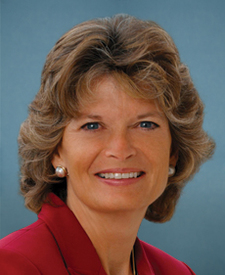
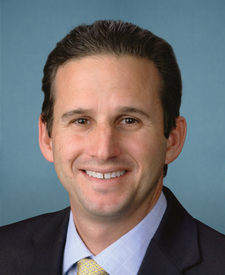
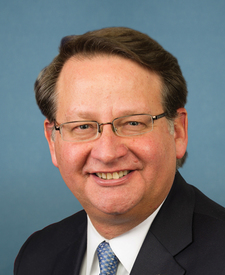
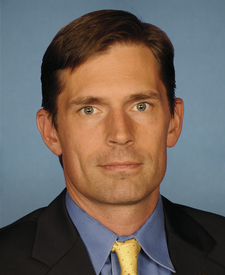
Legislative Progress
Passed SenateHeld at the desk.
Received in the House.
Message on Senate action sent to the House.
Passed Senate without amendment by Unanimous Consent. (consideration: CR S8687; …
Passed/agreed to in Senate: Passed Senate without amendment by Unanimous …
Reported by Ms. Murkowski, without amendment
Passed Senate (inferred from es version)
Placed on Senate Legislative Calendar under General Orders. Calendar No. …
Committee on Indian Affairs. Reported by Senator Murkowski without amendment. …
Committee on Indian Affairs. Ordered to be reported without amendment …
Stakeholder Effects
cui bono?How this legislation distributes effects. Mention counts reflect frequency, not effect magnitude.
Centers for Disease Control and Prevention, Department of Agriculture, Indian Health Service
Commissioned Corps veterinary public health officers
Bill Structure & Actor Mappings
Who is "The Secretary" in each section?
- "service"
- → Indian Health Service
- "director"
- → Director of the Centers for Disease Control and Prevention
- "secretary"
- → Secretary of Health and Human Services
- "secretary_of_agriculture"
- → Secretary of Agriculture
Key Definitions
Terms defined in this bill
Spay/neuter, diagnosis, surveillance, epidemiology, control, prevention, elimination, vaccination, and related activities reducing zoonotic disease or antimicrobial-resistance risks.
A disease or infection naturally transmitted from vertebrate animals to humans or from humans to vertebrate animals.
We use a combination of our own taxonomy and classification in addition to large language models to assess meaning and potential beneficiaries. High confidence means strong textual evidence. Always verify with the original bill text.
Learn more about our methodology