To prohibit taxpayer funded abortions.
Analysis under review: This bill has generated analysis that may be too generic or incomplete. Clause-level evidence remains available below.
Summary
What This Bill Does
This bill makes permanent the Hyde Amendment restrictions on federal funding for abortion by codifying them in Title 1 of the U.S. Code. It prohibits federal funds from being used to pay for abortions or for health insurance plans that cover abortion. It extends these restrictions to Affordable Care Act premium tax credits and small business health insurance tax credits, and requires prominent disclosure when health plans include abortion coverage.
Who Benefits and How
Anti-abortion advocacy organizations achieve a long-sought policy goal of making the Hyde Amendment permanent statutory law rather than an annual appropriations rider. Taxpayers opposed to abortion funding gain assurance that federal funds cannot be used for abortion services. Health insurers gain clearer rules about what coverage can be subsidized. The restrictions include exceptions for rape, incest, and life-threatening conditions.
Who Bears the Burden and How
Women seeking abortion services who rely on federally-funded health coverage (Medicaid, federal employee plans, ACA marketplace plans with subsidies) lose coverage for abortion procedures except in cases of rape, incest, or life-threatening conditions. Health insurers offering plans in ACA exchanges must either exclude abortion coverage or offer it separately without federal subsidies. States using Medicaid matching funds cannot use those funds for abortion coverage. Federal employees and military personnel cannot receive abortion coverage through government health plans.
Key Provisions
- Permanently prohibits federal funds for abortion or health plans covering abortion (codifying Hyde Amendment)
- Extends prohibition to ACA premium tax credits and cost-sharing reductions
- Prohibits abortions in federal facilities or by federal employees during work
- Requires disclosure of abortion coverage and any surcharge in health plan materials
- Exceptions only for rape, incest, or physician-certified life-threatening conditions
Evidence Chain:
This summary is generated from the full bill text using AI analysis. Expand "Detailed Analysis" below for identified beneficiaries/burden bearers.
At a Glance
What This Bill Does
Codifies permanent statutory prohibition on use of federal funds for abortion and health plans covering abortion, applies restrictions to ACA premium tax credits and cost-sharing reductions, and requires disclosure of abortion coverage in health plan marketing.
Key Policy Areas
Health Care, Abortion Policy, Tax Policy, Insurance Regulation
Primary Purpose
Codifies permanent statutory prohibition on use of federal funds for abortion and health plans covering abortion, applies restrictions to ACA premium tax credits and cost-sharing reductions, and requires disclosure of abortion coverage in health plan marketing.
Policy Domains
Title I - Prohibiting Taxpayer Funded Abortions
Identified Gains
Contextual inference, no direct clause citation- Anti-abortion advocacy groups
- Taxpayers opposed to abortion funding
Contextual inference, no direct clause citation
Identified Costs
Contextual inference, no direct clause citation- Women seeking federally-covered abortions
- Federal employees
- Medicaid recipients
Contextual inference, no direct clause citation
Title II - Application to ACA
Identified Gains
Contextual inference, no direct clause citation- Consumers seeking coverage transparency
Contextual inference, no direct clause citation
Identified Costs
Contextual inference, no direct clause citation- ACA marketplace enrollees
- Small businesses using health care tax credits
- Health insurers
Contextual inference, no direct clause citation
Sponsors
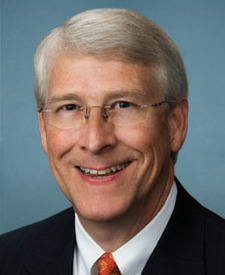

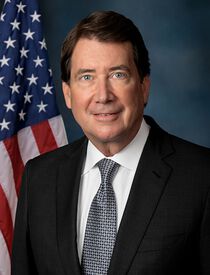
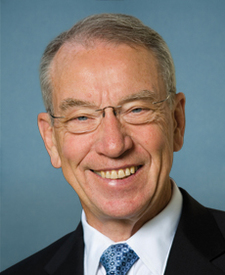

Legislative Progress
IntroducedMr. Wicker (for himself, Mr. Lankford, Mrs. Hyde-Smith, Mr. Tillis, …
Stakeholder Effects
cui bono?How this legislation distributes effects. Mention counts reflect frequency, not effect magnitude.
ACA marketplace enrollees seeking abortion coverage, Consumers shopping for health coverage, DC residents seeking abortion services
Positive-direction: Consumers shopping for health coverage, Women needing post-abortion medical care, Women pregnant from rape or incest, Women with life-threatening pregnancy conditions
Negative-direction: ACA marketplace enrollees seeking abortion coverage, DC residents seeking abortion services, Federal health care employees, Individuals with federally-subsidized insurance seeking abortion, Military personnel and veterans seeking abortion, Women relying on federal health coverage, Women seeking federally-funded abortion services
ACA exchanges and marketplaces, Health insurers in ACA exchanges, Health insurers offering abortion coverage
Positive-direction: Insurers offering standalone abortion coverage, Private health insurers
Negative-direction: ACA exchanges and marketplaces, Health insurers in ACA exchanges, Health insurers offering abortion coverage, Health insurers offering federally-subsidized plans
Abortion providers at federal facilities, Abortion service providers, Health care providers treating abortion complications
Positive-direction: Health care providers treating abortion complications
Negative-direction: Abortion providers at federal facilities, Abortion service providers
District of Columbia government, States using Medicaid matching funds
Bill Structure & Actor Mappings
Who is "The Secretary" in each section?
- "federal_government"
- → All federal agencies and facilities
- "the_director"
- → Director of the Office of Personnel Management
- "the_secretary"
- → Secretary of HHS
Key Definitions
Terms defined in this bill
Includes the government of the District of Columbia
Includes any amounts within the budget of the District of Columbia approved by Congress
We use a combination of our own taxonomy and classification in addition to large language models to assess meaning and potential beneficiaries. High confidence means strong textual evidence. Always verify with the original bill text.
Learn more about our methodology