To amend the Leech Lake Band of Ojibwe Reservation Restoration Act to provide for the transfer of additional Federal land to the Leech Lake Band of Ojibwe, and for other purposes.
Analysis under review: This bill has generated analysis that may be too generic or incomplete. Clause-level evidence remains available below.
Summary
What This Bill Does
This bill amends the 2020 Leech Lake Band of Ojibwe Reservation Restoration Act to expand the federal land transfer to the tribe. It allows transfer of any land in the Chippewa National Forest (Cass County, Minnesota) that Bureau of Indian Affairs records show was sold without unanimous consent of the rightful landowners, correcting historical injustices.
Who Benefits and How
The Leech Lake Band of Ojibwe benefits by receiving additional National Forest land on an acre-for-acre basis, with preference given to parcels adjacent to existing trust lands or culturally important sites. The tribe gains greater control over ancestral territories and the ability to manage them according to their needs.
Who Bears the Burden and How
The U.S. Forest Service loses management authority over transferred lands in the Chippewa National Forest. The Secretary of Agriculture must conduct surveys and negotiate agreements with the tribe. However, these are administrative burdens rather than punitive measures, as the transfers correct historical land takings.
Key Provisions
- Expands eligible federal land to include parcels sold without unanimous landowner consent
- Creates acre-for-acre substitution process for unsuitable parcels
- Allows rolling land transfers as surveys are completed
- Makes transfer agreements final agency actions, limiting judicial challenges
Evidence Chain:
This summary is generated from the full bill text using AI analysis. Expand "Detailed Analysis" below for identified beneficiaries/burden bearers.
At a Glance
What This Bill Does
Expands the Leech Lake Band of Ojibwe Reservation Restoration Act to transfer additional federal land from the Chippewa National Forest to the Leech Lake Band of Ojibwe, including lands historically sold without unanimous consent of rightful landowners.
Key Policy Areas
Native American Affairs, Public Lands, Federal Property Management
Primary Purpose
Expands the Leech Lake Band of Ojibwe Reservation Restoration Act to transfer additional federal land from the Chippewa National Forest to the Leech Lake Band of Ojibwe, including lands historically sold without unanimous consent of rightful landowners.
Policy Domains
Section 2 - Transfer of additional Federal land
Identified Gains
Contextual inference, no direct clause citation- Leech Lake Band of Ojibwe
- Native American communities
Contextual inference, no direct clause citation
Identified Costs
Contextual inference, no direct clause citation- U.S. Forest Service
- Chippewa National Forest management
Contextual inference, no direct clause citation
Sponsors
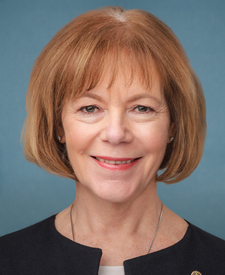
Tina Smith
D-MN | Primary Sponsor

Legislative Progress
ReportedReported by Mr. Schatz, with amendments
Ms. Smith (for herself and Ms. Klobuchar) introduced the following …
Stakeholder Effects
cui bono?How this legislation distributes effects. Mention counts reflect frequency, not effect magnitude.
Bureau of Indian Affairs, Leech Lake Band of Ojibwe, Native American landowners historically dispossessed
Positive-direction: Leech Lake Band of Ojibwe, Native American landowners historically dispossessed
Negative-direction: U.S. Forest Service (Chippewa National Forest)
Bill Structure & Actor Mappings
Who is "The Secretary" in each section?
- "the_tribe"
- → Leech Lake Band of Ojibwe
- "the_secretary"
- → Secretary of Agriculture (through Chief of Forest Service)
- "secretary_of_interior"
- → Secretary of the Interior
Key Definitions
Terms defined in this bill
The approximately [original parcels] plus any other land managed by the Secretary through the Chief of the Forest Service in the Chippewa National Forest in Cass County, Minnesota, which BIA records show was sold without unanimous consent of rightful landowners
We use a combination of our own taxonomy and classification in addition to large language models to assess meaning and potential beneficiaries. High confidence means strong textual evidence. Always verify with the original bill text.
Learn more about our methodology