Combating CCP Labor Abuses Act of 2025
Summary
What This Bill Does
The bill requires the Secretary of Commerce to train Department employees who counsel businesses about human rights abuses perpetrated by China, including forced labor against Uyghurs in Xinjiang and requires the Secretary of Commerce to offer guidance to US businesses about risks of doing business with Chinese entities involved in human rights abuses, including information about risk factors, ways to avoid. It relies on compliance mandates and reporting requirements. The main policy areas are International Trade, Trade, and Civil Rights.
Who Benefits and How
US businesses engaged in interstate commerce or foreign direct investment with China could face reduced risk, US businesses receiving Commerce Department counseling on foreign investment could face reduced risk, and Uyghur and ethnic minority populations in Xinjiang would be affected.
Who Bears the Burden and How
Department of Commerce employees providing business counseling would take on compliance duties, Department of Commerce would take on compliance duties, and Chinese entities using forced labor in Xinjiang could lose revenue opportunities.
Key Provisions
- Requires the Secretary of Commerce to train Department employees who counsel businesses about human rights abuses perpetrated by China, including forced labor against Uyghurs in Xinjiang.
- Requires the Secretary of Commerce to offer guidance to US businesses about risks of doing business with Chinese entities involved in human rights abuses, including information about risk factors, ways to avoid...
Evidence Chain:
This summary is generated from the full bill text using AI analysis. Expand "Detailed Analysis" below for identified beneficiaries/burden bearers with clause-level evidence links.
At a Glance
What This Bill Does
The bill requires the Secretary of Commerce to train Department employees who counsel businesses about human rights abuses perpetrated by China, including forced labor against Uyghurs in Xinjiang and requires the Secretary of Commerce to offer guidance to US businesses about risks of doing business with Chinese entities involved in human rights abuses, including information about risk factors, ways to avoid.
Key Policy Areas
International Trade, Trade, Civil Rights
Primary Purpose
The bill requires the Secretary of Commerce to train Department employees who counsel businesses about human rights abuses perpetrated by China, including forced labor against Uyghurs in Xinjiang and requires the Secretary of Commerce to offer guidance to US businesses about risks of doing business with Chinese entities involved in human rights abuses, including information about risk factors, ways to avoid.
Policy Domains
Whole bill
Identified Gains
- US businesses engaged in interstate commerce or foreign direct investment with China
- US businesses receiving Commerce Department counseling on foreign investment
- Uyghur and ethnic minority populations in Xinjiang
Identified Costs
- Department of Commerce employees providing business counseling
- Department of Commerce
- Chinese entities using forced labor in Xinjiang
Sponsors
Legislative Progress
ReportedReported by Mr. Cruz, without amendment
Placed on Senate Legislative Calendar under General Orders. Calendar No. …
Committee on Commerce, Science, and Transportation. Reported by Senator Cruz …
Committee on Commerce, Science, and Transportation. Ordered to be reported …
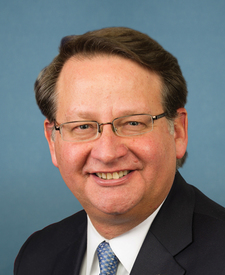
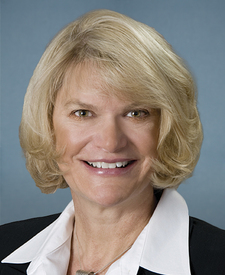
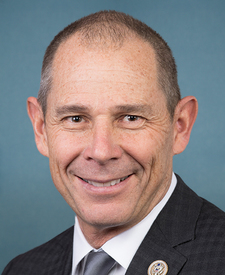
Mr. Peters (for himself, Ms. Lummis, and Mr. Curtis) introduced …
Read twice and referred to the Committee on Commerce, Science, …
Introduced in Senate
Stakeholder Effects
cui bono?How this legislation distributes effects. Mention counts reflect frequency, not effect magnitude.
Department of Commerce, Department of Commerce employees providing business counseling
US businesses engaged in interstate commerce or foreign direct investment with China, US companies with supply chains in Xinjiang region
US businesses receiving Commerce Department counseling on foreign investment
Uyghur and ethnic minority populations in Xinjiang
Bill Structure & Actor Mappings
Who is "The Secretary" in each section?
We use a combination of our own taxonomy and classification in addition to large language models to assess meaning and potential beneficiaries. High confidence means strong textual evidence. Always verify with the original bill text.
Learn more about our methodology