To approve the settlement of water rights claims of the Navajo Nation in the Rio San José Stream System in the State of New Mexico, and for other purposes.
Summary
What This Bill Does
The bill creates states the purposes of the Act: to achieve a fair and final settlement of all water rights claims in the Rio San Jose Stream System for the Navajo Nation, to ratify the settlement agreement, and to authorize, defines key terms used throughout the Act including Acequia, Adjudication, Agreement, Allotment, Allottee, Enforceability Date, Navajo Trust Fund, and other critical legal terms for the water rights settlement, and authorizes, ratifies, and confirms the Rio San Jose Stream System Water Rights Local Settlement Agreement. Requires the Secretary to execute the agreement while complying with environmental laws including NEPA and. It relies on compliance mandates, liability protections, appropriations, and definition changes. The main policy areas are Taxation, Agriculture, Finance, and Housing.
Who Benefits and How
Navajo Nation could gain revenue opportunities, United States government could face reduced risk, and State of New Mexico could face reduced risk.
Who Bears the Burden and How
Navajo Nation would take on compliance duties, State of New Mexico would take on compliance duties, and Secretary of the Interior would take on compliance duties.
Key Provisions
- Creates states the purposes of the Act: to achieve a fair and final settlement of all water rights claims in the Rio San Jose Stream System for the Navajo Nation, to ratify the settlement agreement, and to authorize...
- Defines key terms used throughout the Act including Acequia, Adjudication, Agreement, Allotment, Allottee, Enforceability Date, Navajo Trust Fund, and other critical legal terms for the water rights settlement.
- Authorizes, ratifies, and confirms the Rio San Jose Stream System Water Rights Local Settlement Agreement. Requires the Secretary to execute the agreement while complying with environmental laws including NEPA and...
- Establishes that the Navajo Nation's Water Rights shall be held in trust by the United States, protected from loss through non-use, forfeiture, or abandonment. Preserves rights of individual Allottees separately...
- Establishes the Navajo Nation Rio San Jose Water Rights Settlement Trust Fund with two accounts: the Water Rights Settlement Account and the Operations and Maintenance Account.
Evidence Chain:
This summary is generated from the full bill text using AI analysis. Expand "Detailed Analysis" below for identified beneficiaries/burden bearers with clause-level evidence links.
At a Glance
What This Bill Does
The bill creates states the purposes of the Act: to achieve a fair and final settlement of all water rights claims in the Rio San Jose Stream System for the Navajo Nation, to ratify the settlement agreement, and to authorize, defines key terms used throughout the Act including Acequia, Adjudication, Agreement, Allotment, Allottee, Enforceability Date, Navajo Trust Fund, and other critical legal terms for the water rights settlement, and authorizes, ratifies, and confirms the Rio San Jose Stream System Water Rights Local Settlement Agreement. Requires the Secretary to execute the agreement while complying with environmental laws including NEPA and.
Key Policy Areas
Taxation, Agriculture, Finance, Housing
Primary Purpose
The bill creates states the purposes of the Act: to achieve a fair and final settlement of all water rights claims in the Rio San Jose Stream System for the Navajo Nation, to ratify the settlement agreement, and to authorize, defines key terms used throughout the Act including Acequia, Adjudication, Agreement, Allotment, Allottee, Enforceability Date, Navajo Trust Fund, and other critical legal terms for the water rights settlement, and authorizes, ratifies, and confirms the Rio San Jose Stream System Water Rights Local Settlement Agreement. Requires the Secretary to execute the agreement while complying with environmental laws including NEPA and.
Policy Domains
Equal Tax Act
Identified Gains
- Navajo Nation
- United States government
- State of New Mexico
- Navajo Nation communities in Rio San Jose Basin
- Individual tribal allottees
Identified Costs
- Navajo Nation
- State of New Mexico
- Secretary of the Interior
- Federal taxpayers
- Department of the Interior
Sponsors
Legislative Progress
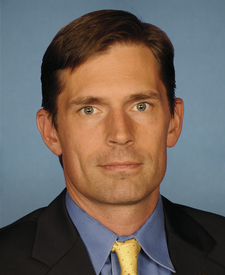
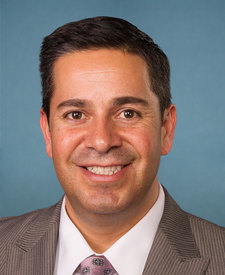
IntroducedMr. Heinrich (for himself and Mr. Luján) introduced the following …
Stakeholder Effects
cui bono?How this legislation distributes effects. Mention counts reflect frequency, not effect magnitude.
Bureau of Reclamation, Department of the Interior, Navajo Nation
Navajo Nation faces effects in multiple directions
Positive-direction: Navajo Nation communities in Rio San Jose Basin, United States government
Negative-direction: Bureau of Reclamation, Department of the Interior, Secretary of the Interior, United States as trustee for allottees
New Mexico state courts, State of New Mexico
State of New Mexico faces effects in multiple directions
Bill Structure & Actor Mappings
Who is "The Secretary" in each section?
- "the_secretary"
- → Secretary of the Treasury
Key Definitions
Terms defined in this bill
A trust where the sole beneficiary is the spouse or surviving spouse of the transferor, or such spouse is the sole life tenant or sole income beneficiary
Real property in the US used as a farm for farming purposes or family business during 3+ years of the 5-year period ending on date of bequest
For installment payment purposes, any property other than personal property that is actively traded
For like-kind exchange purposes, property used for farming or exchanged for property serving the same specific purpose
Cessation of farm/business operation or disposition of taxpayer interest in qualifying property within 120-month certification period
We use a combination of our own taxonomy and classification in addition to large language models to assess meaning and potential beneficiaries. High confidence means strong textual evidence. Always verify with the original bill text.
Learn more about our methodology