To amend the Internal Revenue Code of 1986 to protect children’s health by denying any deduction for advertising and marketing directed at children to promote the consumption of food of poor nutritional quality.
Analysis under review: This bill has generated analysis that may be too generic or incomplete. Clause-level evidence remains available below.
Summary
What This Bill Does
This bill, To amend the Internal Revenue Code of 1986 to protect children’s health by denying any deduction for advertising and marketing directed at children to promote the consumption of food of poor nutritional quality., changes federal law or congressional policy affecting schools, students, and education providers. The main policy domain is Education, Trade, Government Operations.
Who Benefits and How
schools, students, and education providers may benefit from new authority, funding, eligibility, regulatory clarity, or reduced risk created by the bill.
Who Bears the Burden and How
federal implementing agencies, schools, students, and education providers may take on implementation duties, reporting obligations, compliance costs, or oversight responsibilities.
Key Provisions
- Section H862CED5F83184A5CACA7B2D1036B878E: 1. Short title This Act may be cited as the Stop Subsidizing Childhood Obesity Act.
- Section H5383435EE99446FCB19413ABA07DAC96: 2. Findings Congress finds the following: According to the Centers for Disease Control, nearly one-fifth of children and adolescents ages 2-19 have obesity....
- Section HD0B890CCCCD84C3DB436B9426AD492C0: 3. Denial of deduction for marketing directed at children to promote food of poor nutritional quality Part IX of subchapter B of chapter 1 of the Internal...
- Section HE289FB49497B4D99882AFBF8CB849DDA: 280I. Denial of deduction for marketing directed at children for food of poor nutritional quality or brands primarily associated with food of poor nutritional...
- Section H19C7B525B9FD455F894028672088745C: 4. Additional funding for the fresh fruit and vegetable program In addition to any other amounts made available to carry out the Fresh Fruit and Vegetable...
Evidence Chain:
This summary is generated from the full bill text using AI analysis. Expand "Detailed Analysis" below for identified beneficiaries/burden bearers with clause-level evidence links.
At a Glance
What This Bill Does
This bill, To amend the Internal Revenue Code of 1986 to protect children’s health by denying any deduction for advertising and marketing directed at children to promote the consumption of food of poor nutritional quality., changes federal law or congressional policy affecting schools, students, and education providers.
Key Policy Areas
Education, Trade, Government Operations
Primary Purpose
This bill, To amend the Internal Revenue Code of 1986 to protect children’s health by denying any deduction for advertising and marketing directed at children to promote the consumption of food of poor nutritional quality., changes federal law or congressional policy affecting schools, students, and education providers.
Policy Domains
Whole bill
Identified Gains
- schools, students, and education providers
Identified Costs
- federal implementing agencies
- schools, students, and education providers
Sponsors
Legislative Progress
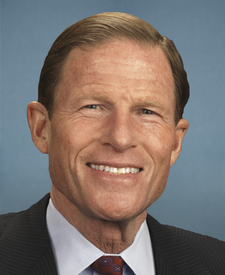
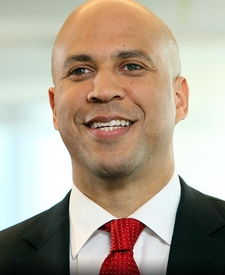
IntroducedMr. Blumenthal (for himself and Mr. Booker) introduced the following …
Impact analysis is available but no clear stakeholder effects identified. View clause-level analysis →
Bill Structure & Actor Mappings
Who is "The Secretary" in each section?
- "the_commission"
- → The commission identified in the operative section
- "secretary_of_treasury"
- → Secretary of the Treasury
- "secretary_of_health_and_human_services"
- → Secretary of Health and Human Services
We use a combination of our own taxonomy and classification in addition to large language models to assess meaning and potential beneficiaries. High confidence means strong textual evidence. Always verify with the original bill text.
Learn more about our methodology