To direct the Secretary of State to establish a national registry of Korean American divided families, and for other purposes.
Summary
What This Bill Does
The bill requires the Secretary of State to identify and register Korean American families divided by the Korean War to facilitate future reunions with family members in North Korea. Authorizes $1 million appropriation to carry, directs the Secretary of State to ensure U.S.-North Korea dialogue includes progress on family reunions, consult with South Korea, and report annually on the registry status, reunion outcomes, North Korean responses, and requires the Secretary of State to engage Korean American families divided by the Korean War and establish a private registry of their information, with provisions for sharing information with Korean institutions. It relies on reporting requirements, compliance mandates, and appropriations. The main policy areas are Foreign Policy, Foreign Affairs, and Education.
Who Benefits and How
Congressional oversight committees (Foreign Relations and Foreign Affairs) could gain revenue opportunities, State Department - Bureau of Consular Affairs and Special Envoy on North Korean Human Rights could gain revenue opportunities, and Korean American advocacy organizations focused on family reunification could gain revenue opportunities.
Who Bears the Burden and How
Korean American families and individuals seeking family reunification would take on compliance duties.
Key Provisions
- Requires the Secretary of State to identify and register Korean American families divided by the Korean War to facilitate future reunions with family members in North Korea. Authorizes $1 million appropriation to carry...
- Directs the Secretary of State to ensure U.S.-North Korea dialogue includes progress on family reunions, consult with South Korea, and report annually on the registry status, reunion outcomes, North Korean responses...
- Requires the Secretary of State to engage Korean American families divided by the Korean War and establish a private registry of their information, with provisions for sharing information with Korean institutions...
- Requires the Secretary of State to ensure U.S.-North Korea dialogue includes family reunion progress, mandates consultation with South Korea, and requires annual reporting on registry status, reunion outcomes, North...
Evidence Chain:
This summary is generated from the full bill text using AI analysis. Expand "Detailed Analysis" below for identified beneficiaries/burden bearers with clause-level evidence links.
At a Glance
What This Bill Does
The bill requires the Secretary of State to identify and register Korean American families divided by the Korean War to facilitate future reunions with family members in North Korea. Authorizes $1 million appropriation to carry, directs the Secretary of State to ensure U.S.-North Korea dialogue includes progress on family reunions, consult with South Korea, and report annually on the registry status, reunion outcomes, North Korean responses, and requires the Secretary of State to engage Korean American families divided by the Korean War and establish a private registry of their information, with provisions for sharing information with Korean institutions.
Key Policy Areas
Foreign Policy, Foreign Affairs, Education
Primary Purpose
The bill requires the Secretary of State to identify and register Korean American families divided by the Korean War to facilitate future reunions with family members in North Korea. Authorizes $1 million appropriation to carry, directs the Secretary of State to ensure U.S.-North Korea dialogue includes progress on family reunions, consult with South Korea, and report annually on the registry status, reunion outcomes, North Korean responses, and requires the Secretary of State to engage Korean American families divided by the Korean War and establish a private registry of their information, with provisions for sharing information with Korean institutions.
Policy Domains
Whole bill
Identified Gains
- Congressional oversight committees (Foreign Relations and Foreign Affairs)
- State Department - Bureau of Consular Affairs and Special Envoy on North Korean Human Rights
- Korean American advocacy organizations focused on family reunification
- Academic institutions and organizations focused on Korean American family reunification
Identified Costs
- Korean American families and individuals seeking family reunification
Sponsors
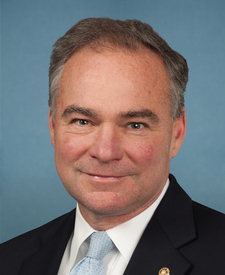
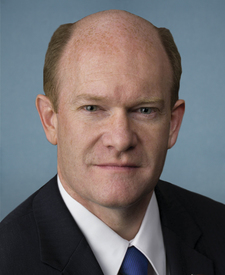

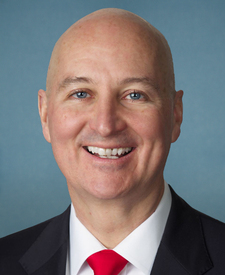
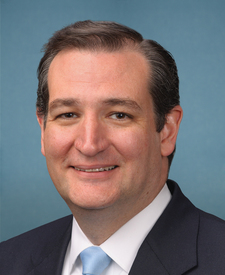
Legislative Progress
ReportedReported by Mr. Risch, with an amendment
Mr. Kaine (for himself, Mr. Cruz, Mr. Coons, Mr. Kelly, …
Stakeholder Effects
cui bono?How this legislation distributes effects. Mention counts reflect frequency, not effect magnitude.
Congressional oversight committees (Foreign Relations and Foreign Affairs), State Department - Bureau of Consular Affairs and Special Envoy on North Korean Human Rights, State Department - Secretary of State and Special Envoy on North Korean Human Rights
Academic institutions and organizations focused on Korean American family reunification
Korean American advocacy organizations focused on family reunification
Bill Structure & Actor Mappings
Who is "The Secretary" in each section?
We use a combination of our own taxonomy and classification in addition to large language models to assess meaning and potential beneficiaries. High confidence means strong textual evidence. Always verify with the original bill text.
Learn more about our methodology