Coast Guard Authorization Act of 2025
Summary
What This Bill Does
The Coast Guard Authorization Act of 2025 is a broad Coast Guard and maritime governance bill. It updates Coast Guard military strength, training, acquisition, facility, housing, property, and operational authorities; directs reports on Great Lakes icebreaking, Polar Security Cutters, tsunami-zone properties, Pribilof Island transition actions, naloxone, maritime drug trafficking incentives, Taiwan Coast Guard training, maritime surveillance, Puerto Rico and Virgin Islands domain awareness, Alaska travel, Missouri River dayboards, Coast Guard missions, homeporting, Bay-class icebreakers, Operation Blue Pacific, Corpus Christi hangars, JROTC, and multiple GAO studies. It also rewrites or adds major personnel measures, Coast Guard Academy oversight, maritime safety rules, autonomous maritime systems governance, abandoned vessel removal, environmental response, sexual misconduct accountability, NOAA fleet and aviation provisions, and fisheries treaty implementation updates.
Who Benefits and How
Coast Guard servicemembers and families benefit from housing flexibility, morale and recreation funding rules, embedded behavioral health technicians, more counseling access, Unalaska dependent sponsorship, Alaska travel reimbursement, college precommissioning consolidation, tuition-assistance and advanced-education pilots, career flexibility, remote civilian firefighter incentives, and Academy wellness reforms. Coast Guard leadership and operational units benefit from service-life-extension authority, property transaction tools, tactical maritime surveillance systems, direct-hire authority, integrated Taiwan training planning, maritime domain awareness studies, and facility or infrastructure planning. Merchant mariners, maritime operators, vessel traffic service centers, autonomous vessel developers, uncrewed maritime systems firms, port operators, fishing vessel operators, vessel classification societies, and abandoned-vessel removal contractors benefit or receive clearer rules through credentialing modernization, electronic credential systems, performance-driven exams, safety zones, advisory committees, pilots, cyber training, and cleanup authorities. NOAA Marine and Aviation Operations, minority-serving aviation institutions, former NOAA Corps officers, shipbuilders, marine equipment buyers, Alaska Native communities, and North Pacific marine researchers benefit from NOAA fleet, cooperative aviation center, vessel disposal, and North Pacific Research Board changes.
Who Bears the Burden and How
The Coast Guard Commandant, Coast Guard Academy Superintendent, Coast Guard Investigative Service, DHS, GAO, NOAA, the National Response Center, and federal maritime regulators must implement extensive new policies, reports, studies, databases, procedures, and oversight processes. Coast Guard leadership faces especially large compliance duties around sexual assault and sexual harassment reforms, including evidence retention, Safe-to-Report policy, covered-misconduct reports, discharge reviews, protective orders, victim-care policy, special-victim capabilities, CATCH participation, senior-leader misconduct transparency, confidential sexual-harassment reporting, Academy policy review, defense sexual-assault database access, personnel-record entries, flag-officer review of separations, expedited transfers, temporary separation access, prevention programs, and training. Commercial vessel operators, fishing vessel operators, deepwater port applicants, passenger vessels, abandoned-vessel owners, autonomous maritime system operators, and maritime facilities may face revised safety, reporting, cyber-incident training, credentialing, stowage, disclosure, or enforcement obligations. Federal taxpayers bear the cost of authorizations, acquisitions, infrastructure, personnel benefits, behavioral health, studies, and NOAA/Coast Guard fleet provisions.
Key Provisions
- Authorizes and updates Coast Guard military strength, training, acquisition, service-life-extension, icebreaking, Polar Security Cutter, floating drydock, and tactical surveillance authorities.
- Expands Coast Guard housing, property, direct-hire, family leave, morale and recreation, behavioral health, counseling, Alaska travel, education, retention, and remote firefighter workforce authorities.
- Creates Coast Guard Academy oversight and safety reforms including a Board of Visitors, Academy oversight study, cadet room security, student advisory board, wellness support review, and concurrent jurisdiction.
- Modernizes merchant mariner credentialing, electronic licensing systems, vessel negligence rules, passenger-vessel security, vessel traffic service monitoring, fishing-vessel requirements, and abandoned-vessel removal law.
- Establishes autonomous maritime systems advisory and pilot authorities, NOAA participation on the Autonomous Vessel Policy Council, uncrewed systems reports, and counter-uncrewed-system definitions.
- Requires oil-spill and environmental-response improvements including salvage and marine firefighting capability review, National Response Center online reporting, and Exxon Valdez fund investment changes.
- Adds a major Coast Guard sexual-misconduct accountability package covering evidence retention, reporting, Safe-to-Report, retaliation, victim support, protective orders, special-victim capabilities, personnel records, and Academy policies.
- Directs GAO and Comptroller General reviews on research and innovation, vessel traffic center employment, behavioral health care, medical records, training facilities, border-security stations, housing allowance, Academy safety, athletic coaching, and permanent-change-of-station processes.
- Updates NOAA fleet operation and maintenance, Cooperative Aviation Centers, former officer hiring eligibility, physical-disqualification standards, vessel disposal, and proceeds reinvestment.
- Revises Pacific fisheries treaty implementation, confidentiality rules, closed-area stowage, fisheries assistance, additional fishing-access agreements, and North Pacific Research Board Alaska Native representation.
Evidence Chain:
This summary is generated from the full bill text using AI analysis. Expand "Detailed Analysis" below for identified beneficiaries/burden bearers with clause-level evidence links.
At a Glance
What This Bill Does
Authorizes and revises Coast Guard programs for FY2025-FY2026 while adding acquisition, infrastructure, personnel, Academy, maritime safety, autonomous vessel, sexual-misconduct accountability, GAO oversight, NOAA fleet, fisheries, and environmental-response provisions.
Key Policy Areas
Defense, Maritime Transportation, Public Safety, Labor, Government Operations, Fisheries, Science
Primary Purpose
Authorizes and revises Coast Guard programs for FY2025-FY2026 while adding acquisition, infrastructure, personnel, Academy, maritime safety, autonomous vessel, sexual-misconduct accountability, GAO oversight, NOAA fleet, fisheries, and environmental-response provisions.
Policy Domains
Maritime safety, credentialing, autonomous systems, and environmental response
Identified Gains
- Merchant mariners
- Autonomous maritime system developers
- Port operators
- Abandoned-vessel removal contractors
- Marine firefighting providers
- Alaska marine research institutions
Identified Costs
- Commercial vessel operators
- Fishing vessel operators
- Passenger vessel operators
- Deepwater port applicants
- National Response Center
- Coast Guard maritime safety offices
NOAA fleet, aviation, fisheries, and marine research
Identified Gains
- NOAA Marine and Aviation Operations
- Minority-serving aviation institutions
- Former NOAA commissioned officers
- Shipbuilding companies
- Alaska Native communities
- North Pacific marine research community
Identified Costs
- NOAA Administrator
- Commercial fishing vessel operators
- Pacific fisheries treaty license holders
- Secretary of State
- Commercial fishing industry
Coast Guard operations, acquisition, infrastructure, and personnel
Identified Gains
- Coast Guard servicemembers
- Coast Guard families
- Coast Guard Academy cadets
- Coast Guard housing program
- Shipbuilders
- Behavioral health specialists
- Remote Coast Guard civilian firefighters
Identified Costs
- Coast Guard Commandant
- Coast Guard Academy Superintendent
- Federal taxpayers
- Coast Guard acquisition program managers
Sexual misconduct accountability and GAO oversight
Identified Gains
- Coast Guard sexual assault survivors
- Coast Guard sexual harassment complainants
- Coast Guard Academy cadets
- Coast Guard whistleblowers
- Congressional oversight committees
Identified Costs
- Coast Guard Commandant
- Coast Guard Investigative Service
- Coast Guard Academy Superintendent
- Government Accountability Office
- Senior Coast Guard leaders accused of misconduct
Sponsors

Legislative Progress
Passed SenateReceived in the House
Held at the Desk
Message on Senate action sent to the House.
Passed/agreed to in Senate: Passed Senate without amendment by Unanimous …
Senate Committee on Commerce, Science, and Transportation discharged by Unanimous …
Passed Senate without amendment by Unanimous Consent. (consideration: CR S1521-1568; …
Introduced in Senate
Passed Senate (inferred from es version)
Read twice and referred to the Committee on Commerce, Science, …
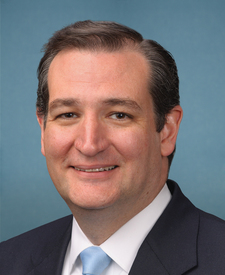
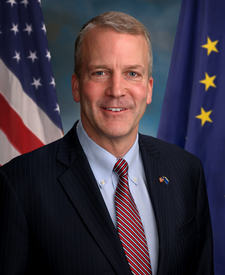
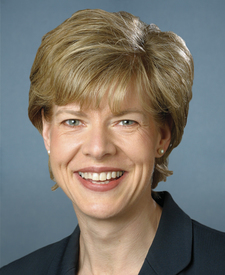
Mr. Cruz (for himself, Ms. Cantwell, Mr. Sullivan, and Ms. …
Stakeholder Effects
cui bono?How this legislation distributes effects. Mention counts reflect frequency, not effect magnitude.
Coast Guard Inspector General, Coast Guard Investigative Service, Coast Guard acquisition programs
Coast Guard administration faces effects in multiple directions
Positive-direction: Coast Guard acquisition programs, Coast Guard personnel and operations, Coast Guard personnel housing, NOAA Marine and Aviation Operations, NOAA commissioned officers with service obligations, Victims of misconduct in Coast Guard
Negative-direction: Coast Guard Inspector General, Coast Guard Investigative Service, Coast Guard leadership and command, Coast Guard personnel administration, DHS Inspector General office
Commercial vessel operators, Commercial vessel operators on the Hudson River, Marine salvage and vessel removal companies
Positive-direction: Marine salvage and vessel removal companies, Maritime employers, Merchant mariners seeking credentials
Negative-direction: Commercial vessel operators, Commercial vessel operators on the Hudson River, Recreational and commercial vessel operators, Vessel owners who abandon vessels
Commercial fishing industry, Commercial fishing vessel operators
Commercial fishing industry faces effects in multiple directions
Coast Guard members accused of offenses, Coast Guard members and families, Coast Guard members reporting misconduct
Positive-direction: Coast Guard members accused of offenses, Coast Guard members and families, Coast Guard members reporting misconduct, Coast Guard officers specializing in military justice or healthcare, Coast Guard personnel and recruits, Coast Guard sexual assault victims, Coast Guard whistleblowers and complainants
Negative-direction: Coast Guard senior leaders, Coast Guard senior leaders (flag officers, SES)
Boating accident victims, Coastal communities and waterway users, General public and legislative reference
Positive-direction: Boating accident victims, Coastal communities and waterway users
Negative-direction: Taxpayers
Exxon Valdez natural resource trustees, Exxon Valdez natural resource trustees (Federal and State), Hudson River communities and environmental groups
Bill Structure & Actor Mappings
Who is "The Secretary" in each section?
- "commandant"
- → Commandant of the Coast Guard
- "secretary"
- → Secretary of the department in which the Coast Guard is operating
- "gao"
- → Comptroller General of the United States
- "commandant"
- → Commandant of the Coast Guard
- "noaa"
- → National Oceanic and Atmospheric Administration
Key Definitions
Terms defined in this bill
The Commandant of the Coast Guard.
Sexual assault, sexual harassment, domestic violence, retaliation, and related misconduct categories addressed in Coast Guard personnel reforms.
A system or device capable of lawfully and safely disabling, disrupting, or otherwise countering uncrewed systems.
We use a combination of our own taxonomy and classification in addition to large language models to assess meaning and potential beneficiaries. High confidence means strong textual evidence. Always verify with the original bill text.
Learn more about our methodology