To provide that it is unlawful to knowingly distribute private intimate visual depictions with reckless disregard for the individual’s lack of consent to the distribution, and for other purposes.
Analysis under review: This bill has generated analysis that may be too generic or incomplete. Clause-level evidence remains available below.
Summary
What This Bill Does
This bill, To provide that it is unlawful to knowingly distribute private intimate visual depictions with reckless disregard for the individual’s lack of consent to the distribution, and for other purposes., changes federal law or congressional policy affecting law enforcement, courts, victims, and regulated public-safety actors. The main policy domain is Criminal Justice, Education, Finance.
Who Benefits and How
law enforcement, courts, victims, and regulated public-safety actors may benefit from new authority, funding, eligibility, regulatory clarity, or reduced risk created by the bill.
Who Bears the Burden and How
federal implementing agencies, law enforcement, courts, victims, and regulated public-safety actors may take on implementation duties, reporting obligations, compliance costs, or oversight responsibilities.
Key Provisions
- Section H74D7FCD0DC434DC6B66699730F06A52F: 1. Short title This Act may be cited as the Stopping Harmful Image Exploitation and Limiting Distribution Act of 2025 or the SHIELD Act of 2023.
- Section idE854653A7A2A4B64A4EDE172E32FC2F1: 2. Certain activities relating to intimate visual depictions Chapter 88 of title 18, United States Code, is amended by adding at the end the following: In this...
- Section H7B291382CD284746BAFFA5A5BB4A060C: 1802. Certain activities relating to intimate visual depictions In this section: The term communications service means— a service provided by a person that is...
Evidence Chain:
This summary is generated from the full bill text using AI analysis. Expand "Detailed Analysis" below for identified beneficiaries/burden bearers with clause-level evidence links.
At a Glance
What This Bill Does
This bill, To provide that it is unlawful to knowingly distribute private intimate visual depictions with reckless disregard for the individual’s lack of consent to the distribution, and for other purposes., changes federal law or congressional policy affecting law enforcement, courts, victims, and regulated public-safety actors.
Key Policy Areas
Criminal Justice, Education, Finance
Primary Purpose
This bill, To provide that it is unlawful to knowingly distribute private intimate visual depictions with reckless disregard for the individual’s lack of consent to the distribution, and for other purposes., changes federal law or congressional policy affecting law enforcement, courts, victims, and regulated public-safety actors.
Policy Domains
Whole bill
Identified Gains
- law enforcement, courts, victims, and regulated public-safety actors
Identified Costs
- federal implementing agencies
- law enforcement, courts, victims, and regulated public-safety actors
Sponsors
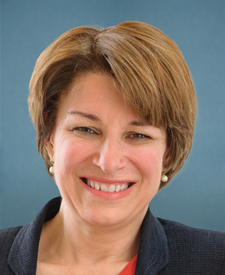
Amy Klobuchar
D-MN | Primary Sponsor
Legislative Progress
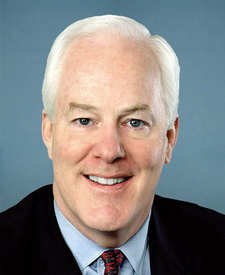
IntroducedMs. Klobuchar (for herself and Mr. Cornyn) introduced the following …
Impact analysis is available but no clear stakeholder effects identified. View clause-level analysis →
Bill Structure & Actor Mappings
Who is "The Secretary" in each section?
- "the_commission"
- → The commission identified in the operative section
Key Definitions
Terms defined in this bill
any visual depiction (as that term is defined in section 2256(5)) of an individual— who has attained 18 years of age at the time the intimate visual depiction is created
any visual depiction (as that term is defined in section 2256(5)) of an individual—(A)who has attained 18 years of age at the time the intimate visual depiction is created
We use a combination of our own taxonomy and classification in addition to large language models to assess meaning and potential beneficiaries. High confidence means strong textual evidence. Always verify with the original bill text.
Learn more about our methodology