To amend the Internal Revenue Code of 1986 to allow certain family caregivers to contribute to a Roth IRA.
Sponsors

Legislative Progress
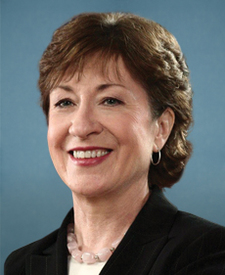
IntroducedMs. Collins (for herself and Mr. Warner) introduced the following …
Summary
What This Bill Does
The Improving Retirement Security for Family Caregivers Act of 2024 addresses a gap in current IRA contribution rules that disadvantages unpaid caregivers. Under current law, individuals must have earned income to contribute to a Roth IRA, which excludes those who forego employment to care for family members. This bill amends the Internal Revenue Code to allow qualifying family caregivers to contribute to a Roth IRA even without earned income.
Who Benefits and How
Family Caregivers are the primary beneficiaries. Individuals who spend 500 or more hours per year providing unpaid care to children or adults with special needs (including elderly adults) would gain the ability to contribute up to the annual Roth IRA limit, building retirement savings despite not having traditional employment income. This particularly helps those who are unemployed or severely underemployed because they have left the workforce to provide care for aging parents, disabled family members, or children.
Who Bears the Burden and How
The Internal Revenue Service (IRS) bears the administrative burden of implementing and enforcing the new provisions. The agency must develop criteria to verify that individuals meet the 500-hour caregiving threshold and the under-500-hour employment limit. There is also a minor impact on federal tax revenue, as Roth IRA contributions grow tax-free, meaning the government foregoes future tax receipts on investment earnings within these accounts.
Key Provisions
- Eligibility criteria: An individual must complete 500+ hours as a family caregiver AND fewer than 500 hours of paid employment (including self-employment) during the tax year
- Definition of family caregiver: Unpaid family members, foster parents, or other unpaid adults who provide in-home care for children or adults with special needs
- Caregiving tasks that count: Assistance with bathing, grooming, dressing, laundry, food shopping, meal preparation, housekeeping, medication management, transportation, and mobility assistance
- Contribution limit: Eligible caregivers can contribute up to the standard Roth IRA annual limit (currently $7,000, or $8,000 for those 50+)
- Effective date: Applies to taxable years beginning after December 31, 2024
Evidence Chain:
This summary is derived from the structured analysis below. See "Detailed Analysis" for per-title beneficiaries/burden bearers with clause-level evidence links.
Primary Purpose
This bill amends the Internal Revenue Code to allow certain family caregivers to contribute to a Roth IRA.
Policy Domains
Bill Structure & Actor Mappings
Who is "The Secretary" in each section?
- "the_secretary"
- → Secretary of the Treasury
Key Definitions
Terms defined in this bill
Includes assistance with bathing, grooming, dressing, laundry, food shopping or preparation, housekeeping, managing medications, transportation, and mobility assistance.
We use a combination of our own taxonomy and classification in addition to large language models to assess meaning and potential beneficiaries. High confidence means strong textual evidence. Always verify with the original bill text.
Learn more about our methodology