A bill to prohibit the transfer of certain offices and functions of the Department of Education to other Federal agencies, and for other purposes.
Summary
What This Bill Does
This bill restricts the Secretary of Education from using interagency agreements, contracts, transfers, shared services, or similar arrangements to move the functions of four Department of Education offices to another federal agency. The protected offices are Special Education and Rehabilitative Services, Postsecondary Education, Indian Education, and Elementary and Secondary Education. Covered functions include program operation, grants, technical assistance, civil-rights and program enforcement, data requirements, oversight, and grantee monitoring. The Secretary also may not first move a function to another Education office and then place it with an outside agency.
Agreements already in effect on February 1, 2025, and renewals on the same or substantially similar terms are exempt. For every Education Department interagency agreement entered on or after that date, the Secretary must give specified House and Senate committees a detailed cost analysis within 14 days after enactment and every quarter thereafter, and publish it accessibly on the Department website. Reports must compare actual and estimated obligations with fiscal 2024 expenditures and cover grants, training, staffing moves, facilities, technology, overhead, contracts, and reductions in force. Education program-administration and student-aid-administration funds for fiscal years 2026 and 2027 may not pay the Secretary's travel expenses until the required information is provided.
Who Benefits and How
Students with disabilities, postsecondary students, Native students, and elementary and secondary school communities benefit from preserving program responsibility inside the named Education Department offices. State and local grantees benefit from continuity in grant systems, technical assistance, and oversight. Department employees in those offices receive protection against function transfers or workforce moves tied to prohibited agreements. Congress and the public benefit from recurring, agreement-by-agreement cost disclosure.
Who Bears the Burden and How
The Secretary of Education loses organizational and contracting flexibility for the protected functions. Federal agencies that might otherwise assume Education programs or services lose potential assignments and transfers. Department budget, grants, technology, human-resources, and oversight staff must assemble detailed reports within 14 days and quarterly. Interagency partners must supply cost information for their obligations. The Secretary's official travel budget is restricted if reporting is late or incomplete. Existing agreements predating the February 1, 2025 cutoff remain protected if renewed on substantially similar terms.
Key Provisions
- Bars transfer or outsourcing of functions belonging to four named Department of Education offices.
- Prohibits indirect transfers routed through an unlisted Education Department office.
- Provides an exemption for interagency arrangements in effect on February 1, 2025, and substantially similar renewals.
- Requires detailed public and congressional cost reports within 14 days and every quarter for newer interagency agreements.
- Restricts fiscal 2026 and 2027 Secretary travel funding until the required information is delivered.
Evidence Chain:
This summary is generated from the full bill text using AI analysis. Expand "Detailed Analysis" below for identified beneficiaries/burden bearers with clause-level evidence links.
At a Glance
What This Bill Does
Prevents the Department of Education from transferring four specified offices or their program functions to other federal agencies, while requiring rapid and quarterly public cost reporting on recent interagency agreements and conditioning the Secretary's travel funds on compliance.
Key Policy Areas
Education Administration, Federal Agency Organization, Government Transparency
Primary Purpose
Prevents the Department of Education from transferring four specified offices or their program functions to other federal agencies, while requiring rapid and quarterly public cost reporting on recent interagency agreements and conditioning the Secretary's travel funds on compliance.
Policy Domains
Interagency agreement cost reports
Identified Gains
- Congressional education oversight committees
- Congressional appropriations committees
- Members of the public reviewing Education agreements
- State and local education grantees
- Department of Education employees affected by staffing changes
Identified Costs
- Department of Education reporting staff
- Federal agencies party to Education agreements
- Department of Education budget offices
- Secretary of Education travel operations
- Education Department technology and human-resources staff
Protected Education Department offices and functions
Identified Gains
- Students with disabilities served by OSERS
- Postsecondary students served by OPE
- Native students served by the Office of Indian Education
- Elementary and secondary school communities served by OESE
- Department of Education employees in protected offices
- State and local education grantees
Identified Costs
- Secretary of Education
- Education Department reorganization staff
- Federal agencies seeking transferred Education functions
- Interagency procurement officials
- Education Department leadership seeking shared services
Sponsors
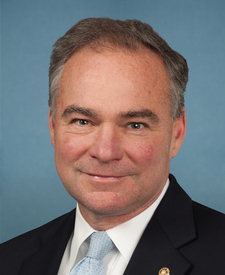
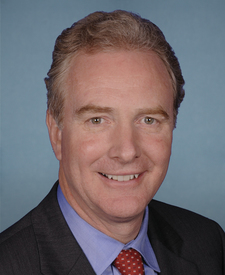



Legislative Progress
ReportedPlaced on Senate Legislative Calendar under General Orders. Calendar No. …
Committee on Health, Education, Labor, and Pensions. Reported by Senator …
Reported by Mr. Cassidy, with an amendment
Committee on Health, Education, Labor, and Pensions. Ordered to be …
Read twice and referred to the Committee on Health, Education, …
Introduced in Senate
Mr. Kaine (for himself, Ms. Collins, and Ms. Murkowski) introduced …
Mr. Kaine (for himself, Ms. Collins, Ms. Murkowski, Ms. Baldwin, …
Stakeholder Effects
cui bono?How this legislation distributes effects. Mention counts reflect frequency, not effect magnitude.
Congressional education and appropriations committees, Department of Education legal staff, Department of Education reporting staff
Positive-direction: Congressional education and appropriations committees, Parties to Education interagency agreements effective by February 1, 2025
Negative-direction: Department of Education reporting staff, Federal agencies party to Education agreements, Federal agencies seeking transferred Education functions, Secretary of Education, Secretary of Education travel operations
Department of Education protected program offices, Students served by protected Education Department offices
Members of the public reviewing Education agreements
Bill Structure & Actor Mappings
Who is "The Secretary" in each section?
- "oie"
- → Office of Indian Education
- "ope"
- → Office of Postsecondary Education
- "oese"
- → Office of Elementary and Secondary Education
- "osers"
- → Office of Special Education and Rehabilitative Services
- "secretary"
- → Secretary of Education
- "partner_agencies"
- → Other federal agencies entering agreements with the Department of Education
- "public"
- → Members of the public using the Department website
- "secretary"
- → Secretary of Education
- "partner_agencies"
- → Federal agencies party to Education Department agreements
- "congressional_committees"
- → Specified House and Senate education and appropriations committees
Key Definitions
Terms defined in this bill
An Education Department interagency arrangement in effect on February 1, 2025, or its renewal on the same or substantially similar terms.
We use a combination of our own taxonomy and classification in addition to large language models to assess meaning and potential beneficiaries. High confidence means strong textual evidence. Always verify with the original bill text.
Learn more about our methodology