Making America's Food Safer Act
Summary
What This Bill Does
The Making America's Food Safer Act broadens the accredited third-party certification program beyond its existing import-focused wording. A foreign or domestic food-supply entity may voluntarily obtain an audit from an accredited third-party auditor. FDA must use certifications for import-admissibility and Voluntary Qualified Importer Program decisions and may use audit and certification results for risk analysis, inspection priorities, and other regulatory work. The bill routes accreditation through recognized accreditation bodies and removes direct FDA accreditation language.
FDA may promptly share unredacted surveillance, laboratory, inspection, recall, outbreak-distribution, complaint, and other useful information with state, local, Tribal, and territorial public-health counterparts. Recipients generally may not disclose it further without FDA permission, except when necessary to contain an outbreak, conduct a recall, or enforce state law. The reported bill separately authorizes FDA to disclose otherwise protected commercial information when doing so advances public-health protection during an outbreak, contaminated-food investigation, recall, or other food-safety incident.
HHS may order an article refused admission and violating food law to be destroyed, without re-export, when it presents a significant public-health concern. Owners and consignees must receive notice, an opportunity to appear and present testimony, and due process to challenge the order. Treasury must cause destruction within 90 days, at the owner or consignee's expense. HHS must propose implementing rules within 18 months and finalize them within one year after proposal. The reported version exempts personal or household importation of a noncontrolled prescription drug under the statutory personal-import provision and declares such a drug not to be a significant public-health concern for this authority.
Who Benefits and How
Consumers and communities benefit from faster outbreak coordination and removal of dangerous refused food or other regulated articles. State, local, Tribal, and territorial authorities gain operational access to federal laboratory, inspection, recall, complaint, and distribution information. Food businesses seeking voluntary certification gain a broader recognized pathway, and accredited auditors and accreditation bodies gain potential demand. Importers in the qualified-importer program may use certifications for eligibility. Individuals importing qualifying prescription drugs for personal or household use benefit from the reported exemption from destruction authority.
Who Bears the Burden and How
FDA must administer certification recognition, assess audit results, decide when confidential disclosure advances public health, and control onward sharing. Recipient authorities must safeguard unredacted information unless an emergency or enforcement exception applies. Voluntarily certified facilities pay audit and compliance costs and may face risk-prioritized inspection. Owners and consignees of dangerous refused articles lose the goods, cannot re-export them, must complete destruction within 90 days, and pay all destruction costs. HHS and Treasury must conduct proceedings and implement the regulatory timetable. Businesses named in protected commercial records face disclosure risk during incidents.
Key Provisions
- Expands voluntary accredited audits to foreign and domestic entities across the food supply chain.
- Authorizes FDA to use certifications for import decisions, qualified-importer eligibility, risk analysis, and inspection priorities.
- Authorizes prompt sharing of unredacted food-safety information with state, local, Tribal, and territorial counterparts.
- Restricts onward disclosure while permitting outbreak, recall, and state-enforcement exceptions.
- Authorizes disclosure of protected commercial information when it advances public-health protection during a food-safety incident.
- Authorizes destruction, without re-export, of refused unlawful articles presenting a significant public-health concern.
- Requires notice, testimony, due process, rulemaking deadlines, destruction within 90 days, and owner-funded costs.
- Exempts qualifying personal-use imports of noncontrolled prescription drugs from the destruction authority.
Evidence Chain:
This summary is generated from the full bill text using AI analysis. Expand "Detailed Analysis" below for identified beneficiaries/burden bearers with clause-level evidence links.
At a Glance
What This Bill Does
Expands voluntary accredited food-safety certification, authorizes FDA to share unredacted and protected commercial information during food-safety incidents, and permits destruction of dangerous refused imports subject to process and a personal-use prescription-drug exception.
Key Policy Areas
Food Safety, Food Imports, Public Health, Government Information Sharing
Primary Purpose
Expands voluntary accredited food-safety certification, authorizes FDA to share unredacted and protected commercial information during food-safety incidents, and permits destruction of dangerous refused imports subject to process and a personal-use prescription-drug exception.
Policy Domains
Destruction of dangerous refused imports
Identified Gains
- Consumers protected from dangerous refused imports
- Food-safety enforcement officials
- Individuals importing qualifying prescription drugs for personal use
Identified Costs
- Owners of refused articles ordered destroyed
- Consignees paying destruction costs
- Foreign exporters unable to recover merchandise
- HHS rulemaking and hearing staff
- Treasury enforcement personnel
Accredited third-party food certification
Identified Gains
- Food businesses voluntarily seeking certification
- Accredited third-party food auditors
- Recognized accreditation bodies
- Qualified food importers
Identified Costs
- FDA certification-program staff
- Food facilities purchasing voluntary audits
- Facilities selected for risk-prioritized inspection
Food-safety information and commercial disclosure
Identified Gains
- State food-safety authorities
- Local public-health departments
- Tribal and territorial health authorities
- Consumers exposed to outbreaks
- Recall coordinators
Identified Costs
- Recipient authorities safeguarding FDA information
- FDA confidentiality officers
- Food businesses identified in protected commercial information
Sponsors

Legislative Progress
ReportedPlaced on Senate Legislative Calendar under General Orders. Calendar No. …
Committee on Health, Education, Labor, and Pensions. Reported by Senator …
Reported by Mr. Cassidy, with an amendment
Committee on Health, Education, Labor, and Pensions. Ordered to be …
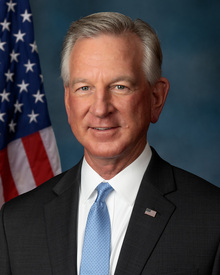
Mr. Tuberville (for himself and Mr. Cassidy) introduced the following …
Read twice and referred to the Committee on Health, Education, …
Introduced in Senate
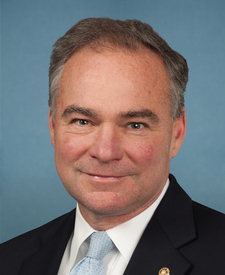
Mr. Tuberville (for himself, Mr. Cassidy, and Mr. Kaine) introduced …
Stakeholder Effects
cui bono?How this legislation distributes effects. Mention counts reflect frequency, not effect magnitude.
Congressional food-safety counsel, FDA certification-program staff, FDA import-enforcement counsel
Positive-direction: FDA certification-program staff, FDA outbreak and recall coordinators, State, local, Tribal, and territorial food-safety authorities
Negative-direction: HHS destruction-hearing staff, HHS rulemaking and destruction-hearing staff, Recipient government confidentiality officers, Treasury import-enforcement personnel
Accredited third-party food-safety auditors, Food businesses identified in unredacted records, Food businesses whose protected commercial information is disclosed
Food facilities prioritized for FDA inspection faces effects in multiple directions
Positive-direction: Accredited third-party food-safety auditors, Recognized auditor accreditation bodies
Negative-direction: Food businesses identified in unredacted records, Food businesses whose protected commercial information is disclosed
Consumers exposed to contaminated food, Consumers exposed to foodborne illness, Consumers protected from dangerous refused imports
Foreign exporters of refused articles, Owners and consignees of refused dangerous articles
Bill Structure & Actor Mappings
Who is "The Secretary" in each section?
- "fda"
- → Food and Drug Administration
- "auditors"
- → Accredited third-party food-safety auditors
- "importers"
- → Voluntary Qualified Importer Program participants
- "accreditors"
- → Recognized accreditation bodies
- "eligible_entities"
- → Foreign and domestic food-supply entities choosing an audit
- "fda"
- → Food and Drug Administration
- "consumers"
- → People exposed to food-safety incidents
- "counterparts"
- → State, local, Tribal, and territorial public-health authorities
- "regulated_businesses"
- → Food businesses identified in protected information
- "hhs"
- → Secretary of Health and Human Services
- "owners"
- → Owners and consignees of refused articles
- "treasury"
- → Secretary of the Treasury
- "consumers"
- → People protected from dangerous refused articles
- "personal_importers"
- → Individuals importing qualifying prescription drugs for personal use
Note: {'scope_ids': ['certification', 'destruction'], 'description': 'Third-party certification is voluntary, while destruction is coercive and limited to refused unlawful articles presenting a significant public-health concern.'}
Key Definitions
Terms defined in this bill
A foreign or domestic food-supply entity, including a registered facility, that chooses an audit by an accredited third-party auditor or its audit agent.
An article refused admission, violating the food and drug law, and found by HHS to present a significant public-health concern, excluding a qualifying personal-use noncontrolled prescription drug.
We use a combination of our own taxonomy and classification in addition to large language models to assess meaning and potential beneficiaries. High confidence means strong textual evidence. Always verify with the original bill text.
Learn more about our methodology