DEMOCRACIA Act
Analysis under review: This bill has generated analysis that may be too generic or incomplete. Clause-level evidence remains available below.
Summary
What This Bill Does
The bill defines congressional findings documenting Cuban Communist Party human rights abuses, suppression of July 11 2021 protests, state-sponsored terrorism, racism against Afro-Cubans, and sense of Congress urging restriction, creates u.S. policy to support Cuban freedom and democracy and to work with allies to restrict financial resources of Cuban military, security, and intelligence sectors, and exempts mandatory sanctions (property blocking, visa denial) on foreign persons providing financial, material, or technological support to Cuba defense, security, intelligence sectors or affiliated entities. It relies on trade restrictions, compliance mandates, definition changes, and exemptions. The main policy areas are Technology, Trade, Agriculture, and Healthcare.
Who Benefits and How
Cuban people would be affected, Medical device and pharmaceutical exporters would be affected, and Cuban political prisoners and dissidents could face reduced risk.
Who Bears the Burden and How
Cuban government could face increased risk, Foreign companies dealing with Cuban military/security sectors could face higher barriers, and Cuban government officials involved in human rights abuses could face higher costs.
Key Provisions
- Defines congressional findings documenting Cuban Communist Party human rights abuses, suppression of July 11 2021 protests, state-sponsored terrorism, racism against Afro-Cubans, and sense of Congress urging restriction...
- Creates u.S. policy to support Cuban freedom and democracy and to work with allies to restrict financial resources of Cuban military, security, and intelligence sectors.
- Exempts mandatory sanctions (property blocking, visa denial) on foreign persons providing financial, material, or technological support to Cuba defense, security, intelligence sectors or affiliated entities.
- Imposes mandatory sanctions on individuals responsible for human rights abuses, corruption, censorship, or extrajudicial transfers in Cuba, including current/former officials and their agents.
- Requires sanctions termination conditions requiring Cuba to: legalize political activity, release all political prisoners, dissolve state security apparatus, establish independent courts, hold free elections, return...
Evidence Chain:
This summary is generated from the full bill text using AI analysis. Expand "Detailed Analysis" below for identified beneficiaries/burden bearers with clause-level evidence links.
At a Glance
What This Bill Does
The bill defines congressional findings documenting Cuban Communist Party human rights abuses, suppression of July 11 2021 protests, state-sponsored terrorism, racism against Afro-Cubans, and sense of Congress urging restriction, creates u.S. policy to support Cuban freedom and democracy and to work with allies to restrict financial resources of Cuban military, security, and intelligence sectors, and exempts mandatory sanctions (property blocking, visa denial) on foreign persons providing financial, material, or technological support to Cuba defense, security, intelligence sectors or affiliated entities.
Key Policy Areas
Technology, Trade, Agriculture, Healthcare
Primary Purpose
The bill defines congressional findings documenting Cuban Communist Party human rights abuses, suppression of July 11 2021 protests, state-sponsored terrorism, racism against Afro-Cubans, and sense of Congress urging restriction, creates u.S. policy to support Cuban freedom and democracy and to work with allies to restrict financial resources of Cuban military, security, and intelligence sectors, and exempts mandatory sanctions (property blocking, visa denial) on foreign persons providing financial, material, or technological support to Cuba defense, security, intelligence sectors or affiliated entities.
Policy Domains
Sanctions on Foreign Transactions with Cuba
Identified Gains
- Cuban people
- Medical device and pharmaceutical exporters
- Cuban political prisoners and dissidents
- Cuban democracy activists
- Agricultural exporters to Cuba
Identified Costs
- Cuban government
- Foreign companies dealing with Cuban military/security sectors
- Cuban government officials involved in human rights abuses
- Cuban defense and security sectors
- Cuban military and security sectors
Sponsors
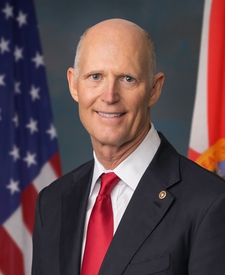

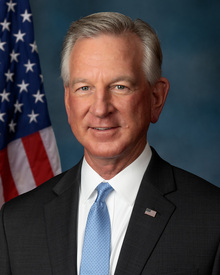
Legislative Progress
In CommitteeMr. Scott of Florida (for himself and Mr. Tuberville) introduced …
Read twice and referred to the Committee on Foreign Relations.
Introduced in Senate
Stakeholder Effects
cui bono?How this legislation distributes effects. Mention counts reflect frequency, not effect magnitude.
Cuban defense and security sectors, Cuban government, Cuban government officials involved in human rights abuses
Cuban democracy activists, Cuban political prisoners and dissidents
Foreign companies dealing with Cuban military/security sectors
Bill Structure & Actor Mappings
Who is "The Secretary" in each section?
- "the_president"
- → President of the United States
- "secretary_of_state"
- → Secretary of State
- "secretary_of_treasury"
- → Secretary of the Treasury
- "secretary_of_treasury"
- → Secretary of the Treasury
- "the_president"
- → President of the United States
Key Definitions
Terms defined in this bill
The defense, security, intelligence sectors of the Government of Cuba, or any other sector certified by the President as involved in human rights abuses or supporting terrorism
We use a combination of our own taxonomy and classification in addition to large language models to assess meaning and potential beneficiaries. High confidence means strong textual evidence. Always verify with the original bill text.
Learn more about our methodology