To enhance transparency and accountability for online political advertisements by requiring those who purchase and publish such ads to disclose information about the advertisements to the public, and for other purposes.
Analysis under review: This bill has generated analysis that may be too generic or incomplete. Clause-level evidence remains available below.
Summary
What This Bill Does
The Honest Ads Act extends political advertising disclosure rules that apply to TV and radio to internet platforms. Online platforms must keep public records of political ads costing over $500, including who paid, how much, and who saw them. Platforms must also make reasonable efforts to prevent foreign nationals from buying political ads.
Who Benefits and How
Voters benefit from increased transparency about who funds online political messaging. Democracy reform organizations gain enforcement tools they have long advocated. Domestic political advertisers face a more level playing field against foreign interference. Traditional broadcast media benefits as digital competitors face similar disclosure burdens.
Who Bears the Burden and How
Large online platforms (Google, Meta, etc.) must build new compliance systems to track and disclose political ad purchases. Smaller digital advertising platforms face new record-keeping requirements. Political advertisers must provide identity verification to platforms. Foreign actors lose ability to anonymously influence US elections through paid advertising.
Key Provisions
- Expands "public communication" and "electioneering communication" definitions to include paid internet/digital communications
- Requires online platforms to maintain public records of political ads over $500 with buyer info, targeting data, and view counts
- Mandates clear disclaimers on digital political ads identifying who paid for them
- Requires platforms to make reasonable efforts to block foreign national ad purchases
Evidence Chain:
This summary is generated from the full bill text using AI analysis. Expand "Detailed Analysis" below for identified beneficiaries/burden bearers.
At a Glance
What This Bill Does
Extends political advertising disclosure requirements to online platforms, requiring transparency about who pays for digital political ads and preventing foreign nationals from purchasing such advertising.
Key Policy Areas
Elections, Campaign Finance, Internet Regulation, National Security
Primary Purpose
Extends political advertising disclosure requirements to online platforms, requiring transparency about who pays for digital political ads and preventing foreign nationals from purchasing such advertising.
Policy Domains
Online Political Advertising Disclosure
Identified Gains
Contextual inference, no direct clause citation- Voters seeking ad transparency
- Democracy reform organizations
- Domestic political advertisers
- Traditional broadcast media
- Federal Election Commission
Contextual inference, no direct clause citation
Identified Costs
Contextual inference, no direct clause citation- Large online platforms (Google, Meta, etc.)
- Digital advertising networks
- Political advertisers
- Foreign nationals seeking to influence elections
Contextual inference, no direct clause citation
Sponsors
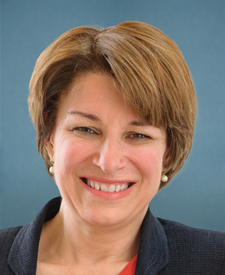
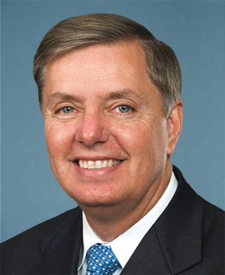
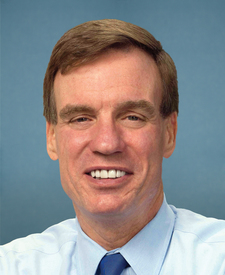
Legislative Progress
IntroducedMs. Klobuchar (for herself, Mr. Graham, and Mr. Warner) introduced …
Stakeholder Effects
cui bono?How this legislation distributes effects. Mention counts reflect frequency, not effect magnitude.
Digital advertisers placing political ads, Online advertising platforms, Online platforms running political ads
Dark money groups, Organizations running issue ads online before elections, Political ad purchasers
Broadcast and cable TV providers, Journalists and researchers studying political ads, Online news organizations and blogs
Positive-direction: Journalists and researchers studying political ads, Online news organizations and blogs, Traditional broadcast media
Negative-direction: Broadcast and cable TV providers
American voters, Voters viewing political ads, Voters viewing shared political content
Large online platforms (Google, Meta, Twitter), Social media advertising platforms, Social media platforms with sharing features
Foreign governments and nationals, Foreign nationals seeking election influence
Super PACs running digital campaigns
Bill Structure & Actor Mappings
Who is "The Secretary" in each section?
- "the_commission"
- → Federal Election Commission
Key Definitions
Terms defined in this bill
Expanded to include paid internet or paid digital communication in addition to broadcast, cable, and satellite
Any communication which is placed or promoted for a fee on an online platform
Any public-facing website, web application, or digital application (including a social network, ad network, or search engine)
We use a combination of our own taxonomy and classification in addition to large language models to assess meaning and potential beneficiaries. High confidence means strong textual evidence. Always verify with the original bill text.
Learn more about our methodology