To require the Secretary of Commerce to provide training and guidance relating to human rights abuses, including such abuses perpetrated against the Uyghur population by the Government of the People's Republic of China, and for other purposes.
Analysis under review: This bill has generated analysis that may be too generic or incomplete. Clause-level evidence remains available below.
Summary
What This Bill Does
This bill requires the Department of Commerce to train its employees and provide guidance to American businesses about human rights abuses committed by the Chinese government, particularly the use of forced labor against Uyghurs and other ethnic minorities in the Xinjiang region. The goal is to help U.S. companies identify and avoid doing business with entities connected to these abuses.
Who Benefits and How
U.S. businesses engaged in international trade benefit by receiving free government guidance on how to identify risky business partners connected to forced labor in China. This helps companies avoid reputational damage, legal liability, and supply chain problems. Human rights advocates and Uyghur communities also benefit indirectly, as reduced business ties with abusive entities may decrease economic support for the forced labor system.
Who Bears the Burden and How
The Department of Commerce must develop and deliver new training programs and business guidance, requiring staff time and resources. U.S. companies with existing supply chains connected to Xinjiang may face pressure to restructure their operations. Chinese government-linked entities that rely on forced labor may see reduced business from American companies who receive this guidance.
Key Provisions
- Mandates Commerce Department training for employees who counsel businesses on emerging human rights abuse trends in China
- Requires Commerce to provide guidance to U.S. businesses on risk factors for identifying entities connected to forced labor
- Offers information on how to avoid doing business with problematic entities
- Warns businesses about potential reputational, economic, and legal risks of such transactions
- Specifies that all guidance is advisory only, not mandatory
Evidence Chain:
This summary is generated from the full bill text using AI analysis. Expand "Detailed Analysis" below for identified beneficiaries/burden bearers.
At a Glance
What This Bill Does
Requires the Department of Commerce to provide training to employees and guidance to businesses about human rights abuses perpetrated by the Chinese government, particularly forced labor against Uyghurs in Xinjiang.
Who Benefits
- Uyghur and other ethnic minorities in Xinjiang (indirectly, through reduced economic support for abusers)
- U.S. businesses seeking guidance on ethical supply chain decisions
- Human rights advocacy organizations
Who Bears Costs
- Department of Commerce (must develop and provide training and guidance)
- U.S. businesses with supply chains connected to Xinjiang (may face pressure to restructure)
- Chinese government-linked entities engaged in forced labor
Key Policy Areas
Human Rights, International Trade, Commerce, Foreign Policy
Primary Purpose
Requires the Department of Commerce to provide training to employees and guidance to businesses about human rights abuses perpetrated by the Chinese government, particularly forced labor against Uyghurs in Xinjiang.
Policy Domains
Legislative Strategy
"Increase awareness among Commerce Department staff and U.S. businesses about human rights abuses in China's Xinjiang region to discourage business dealings with entities implicated in forced labor."
Identified Gains
- Uyghur and other ethnic minorities in Xinjiang (indirectly, through reduced economic support for abusers)
- U.S. businesses seeking guidance on ethical supply chain decisions
- Human rights advocacy organizations
Identified Costs
- Department of Commerce (must develop and provide training and guidance)
- U.S. businesses with supply chains connected to Xinjiang (may face pressure to restructure)
- Chinese government-linked entities engaged in forced labor
Sponsors
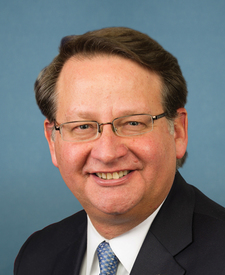
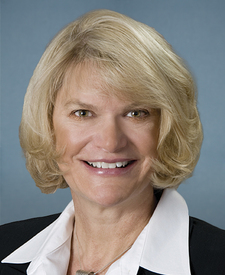
Legislative Progress
IntroducedMr. Peters (for himself and Ms. Lummis) introduced the following …
Stakeholder Effects
cui bono?How this legislation distributes effects. Mention counts reflect frequency, not effect magnitude.
Commerce Department employees providing business counseling, Department of Commerce
U.S. businesses engaged in interstate commerce or foreign direct investment, U.S. businesses receiving Commerce Department counseling services
U.S. businesses with supply chains connected to Xinjiang
Bill Structure & Actor Mappings
Who is "The Secretary" in each section?
- "the_secretary"
- → Secretary of Commerce
We use a combination of our own taxonomy and classification in addition to large language models to assess meaning and potential beneficiaries. High confidence means strong textual evidence. Always verify with the original bill text.
Learn more about our methodology