To amend chapter 11 of title 35, United States Code, to require the voluntary collection of demographic information for patent inventors, and for other purposes.
Sponsors
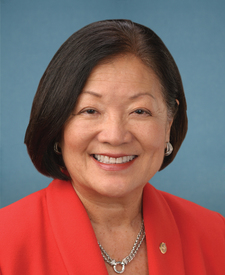
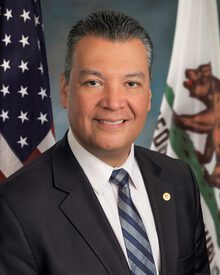

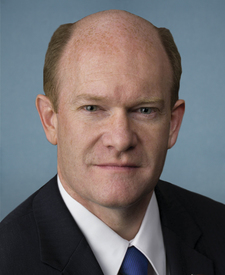

Legislative Progress
ReportedReported by Mr. Durbin, without amendment
Reported by Mr. Durbin, without amendment
Ms. Hirono (for herself, Mr. Tillis, Mr. Durbin, Mr. Coons, …
Ms. Hirono (for herself, Mr. Tillis, Mr. Durbin, Mr. Coons, …
Summary
What This Bill Does
Directs the USPTO to establish a voluntary system for collecting demographic information (gender, race, veteran status) from patent inventors. Requires data to be kept confidential and separate from patent examination.
Who Benefits and How
Policymakers gain data to identify disparities in patent system access. Diversity advocates get evidence for targeted programs. Inventors from underrepresented groups may benefit from future programs informed by the data.
Who Bears the Burden and How
USPTO must implement new data collection systems. Inventors face additional optional paperwork. Privacy advocates may have concerns about government demographic data collection.
Key Provisions
- Creates voluntary demographic data collection for patent inventors
- Requires confidentiality and separation from patent examination
- Exempts collected data from FOIA disclosure
Evidence Chain:
This summary is derived from the structured analysis below. See "Detailed Analysis" for per-title beneficiaries/burden bearers with clause-level evidence links.
Primary Purpose
Requires USPTO to voluntarily collect demographic information from patent inventors
Policy Domains
Legislative Strategy
"Gather patent diversity data without affecting examination"
Bill Structure & Actor Mappings
Who is "The Secretary" in each section?
- "director"
- → USPTO Director
We use a combination of our own taxonomy and classification in addition to large language models to assess meaning and potential beneficiaries. High confidence means strong textual evidence. Always verify with the original bill text.
Learn more about our methodology