To provide limited authority to use the Armed Forces to suppress insurrection or rebellion and quell domestic violence.
Analysis under review: This bill has generated analysis that may be too generic or incomplete. Clause-level evidence remains available below.
Summary
What This Bill Does
This bill, To provide limited authority to use the Armed Forces to suppress insurrection or rebellion and quell domestic violence., changes federal law or congressional policy affecting federal agencies and legislative administrators. The main policy domain is Government Operations, Defense, Criminal Justice.
Who Benefits and How
federal agencies and legislative administrators may benefit from new authority, funding, eligibility, regulatory clarity, or reduced risk created by the bill.
Who Bears the Burden and How
federal implementing agencies may take on implementation duties, reporting obligations, compliance costs, or oversight responsibilities.
Key Provisions
- Section S1: 1. Short title This Act may be cited as the Insurrection Act of 2024.
- Section idf17c5c65d63f4118a419025c3bc5610c: 2. Limited authority to use the Armed Forces to suppress insurrection or rebellion and quell domestic violence This section represents an exercise of...
- Section id168998678699418ba8c0060da1bb7404: 251. Statement of policy It is the policy of the United States that domestic deployment of the armed forces for the purposes set forth in this chapter should...
- Section id0c03c719e2fa4152a9f2b307c8fa2560: 252. Triggering circumstances The authorities granted to the President by section 253 may be exercised only if— there is an insurrection or rebellion in a...
- Section id213c7127c6a44a8b833e906d26efa631: 253. Authority of the President Subject to subsection (b) and sections 254 through 257, the President may, if the conditions specified in section 252 are met,...
Evidence Chain:
This summary is generated from the full bill text using AI analysis. Expand "Detailed Analysis" below for identified beneficiaries/burden bearers with clause-level evidence links.
At a Glance
What This Bill Does
This bill, To provide limited authority to use the Armed Forces to suppress insurrection or rebellion and quell domestic violence., changes federal law or congressional policy affecting federal agencies and legislative administrators.
Key Policy Areas
Government Operations, Defense, Criminal Justice
Primary Purpose
This bill, To provide limited authority to use the Armed Forces to suppress insurrection or rebellion and quell domestic violence., changes federal law or congressional policy affecting federal agencies and legislative administrators.
Policy Domains
Whole bill
Identified Gains
- federal agencies and legislative administrators
Identified Costs
- federal implementing agencies
Legislative Progress
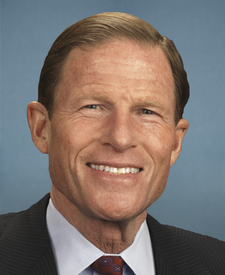
IntroducedMr. Blumenthal introduced the following bill; which was read twice …
Impact analysis is available but no clear stakeholder effects identified. View clause-level analysis →
Bill Structure & Actor Mappings
Who is "The Secretary" in each section?
- "federal_implementing_agencies"
- → Federal agencies assigned duties by the bill
Key Definitions
Terms defined in this bill
Chairman of the Joint Chiefs of Staff Instruction (CJCSI) 3121.01B, dated June 13, 2005, and entitled, Standing Rules of Engagement/Standing Rules for the Use of Force for U.S. Forces, or any successor instruction. 254.Consultation with Congress
We use a combination of our own taxonomy and classification in addition to large language models to assess meaning and potential beneficiaries. High confidence means strong textual evidence. Always verify with the original bill text.
Learn more about our methodology