To authorize the Joint Task Forces of the Department of Homeland Security, and for other purposes.
Legislative Progress
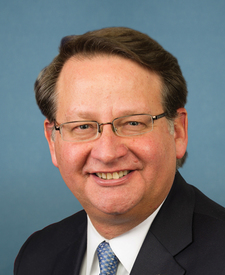
Enrolled (Passed Congress)Mr. Peters introduced the following bill; which was read twice …
Passed Senate (inferred from es version)
Passed House (inferred from enr version)
Enrolled Bill (inferred from enr version)
Summary
What This Bill Does
This bill extends authorization for DHS Joint Task Forces from 2024 to 2026 and requires the Secretary of Homeland Security to develop staffing plans for each Joint Task Force and provide annual congressional briefings on staffing and resources.
Who Benefits and How
Congressional oversight committees gain better visibility into Joint Task Force operations and staffing. The public benefits from improved accountability in homeland security operations.
Who Bears the Burden and How
DHS must develop staffing plans for each Joint Task Force and provide annual briefings to four congressional committees.
Key Provisions
- Extends Joint Task Force authorization to 2026
- Requires staffing plans for each Joint Task Force
- Mandates annual congressional briefings on staffing assessments
- Focus on Joint Task Force-East staffing sufficiency
Evidence Chain:
This summary is derived from the structured analysis below. See "Detailed Analysis" for per-title beneficiaries/burden bearers with clause-level evidence links.
Primary Purpose
Reauthorizes DHS Joint Task Forces through 2026 and adds staffing plan requirements and annual congressional briefings.
Policy Domains
Legislative Strategy
"Extend and improve oversight of DHS Joint Task Forces"
Bill Structure & Actor Mappings
Who is "The Secretary" in each section?
- "the_secretary"
- → Secretary of Homeland Security
We use a combination of our own taxonomy and classification in addition to large language models to assess meaning and potential beneficiaries. High confidence means strong textual evidence. Always verify with the original bill text.
Learn more about our methodology