To improve administration of the unemployment insurance program by expanding program integrity and anti-fraud activities and improving access to benefits, and for other purposes.
Analysis under review: This bill has generated analysis that may be too generic or incomplete. Clause-level evidence remains available below.
Summary
What This Bill Does
This bill reforms the unemployment insurance system by balancing fraud prevention with improved benefit access. It extends the statute of limitations for pandemic unemployment fraud to 10 years, requires states to cross-match claimant data against federal databases, and allows states to use up to 25% of recovered pandemic fraud payments for program integrity. It also improves access by requiring multilingual online claims systems, plain-language applications, and allowing states to waive non-fraudulent pandemic overpayments.
Who Benefits and How
Unemployment claimants benefit from improved online filing systems that must be accessible in multiple languages, accommodate disabilities, and provide clear assistance options. Individuals who received non-fraudulent pandemic overpayments may have repayment waived if it would cause financial hardship. States benefit from being able to retain portions of recovered fraud funds for program administration.
Who Bears the Burden and How
Fraudsters face a 10-year statute of limitations for pandemic unemployment fraud prosecution (extended from 5 years). States must implement new data cross-matching systems with the National Directory of New Hires and incarcerated individual databases by December 2026. Employers must adopt electronic systems for unemployment information exchange. States that fail to comply risk losing federal unemployment program funding.
Key Provisions
- Extends fraud prosecution statute of limitations to 10 years for pandemic unemployment programs
- Requires states to cross-match claimants against new hire and prisoner databases
- Allows states to waive non-fraud pandemic overpayment recovery if causing hardship
- Mandates multilingual, accessible online unemployment claims systems
- Lets states retain up to 5% of recovered overpayments and 25% of pandemic fraud recoveries for program integrity
Evidence Chain:
This summary is generated from the full bill text using AI analysis. Expand "Detailed Analysis" below for identified beneficiaries/burden bearers with clause-level evidence links.
At a Glance
What This Bill Does
Improves administration of the unemployment insurance program by expanding program integrity and anti-fraud activities, improving benefit access for claimants, extending the statute of limitations for pandemic unemployment fraud, and allowing waiver of non-fraud pandemic overpayments.
Key Policy Areas
Labor, Social Welfare, Fraud Prevention, Government Operations
Primary Purpose
Improves administration of the unemployment insurance program by expanding program integrity and anti-fraud activities, improving benefit access for claimants, extending the statute of limitations for pandemic unemployment fraud, and allowing waiver of non-fraud pandemic overpayments.
Policy Domains
Title I - Program Integrity
Identified Gains
- State unemployment agencies
- Federal prosecutors
- Legitimate unemployment claimants
Identified Costs
- Unemployment fraud perpetrators
- Individuals with non-fraud overpayments (before waiver option)
Title II - Use of Data
Identified Gains
- State unemployment agencies
- Unemployment Trust Fund
Identified Costs
- State IT departments
- Employers
- Incarcerated individuals claiming benefits
Title III - Access and Oversight
Identified Gains
- Limited English proficiency claimants
- Disabled claimants
- Older individuals
- Laid-off workers
Identified Costs
- State unemployment agencies (technology upgrades)
- Translation service providers
Sponsors
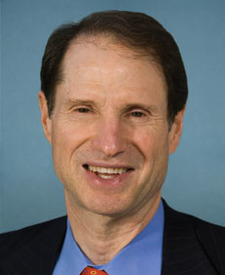

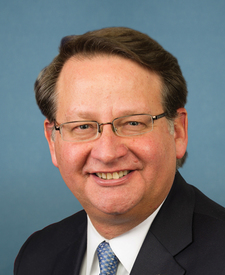
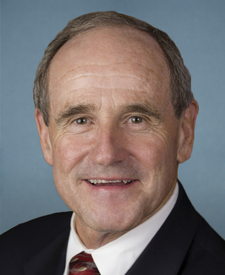

Legislative Progress
IntroducedMr. Wyden (for himself, Mr. Crapo, Mr. Bennet, Mr. Lankford, …
Stakeholder Effects
cui bono?How this legislation distributes effects. Mention counts reflect frequency, not effect magnitude.
Congressional oversight committees, Department of Labor, Federal prosecutors and DOJ
State unemployment agencies, Unemployment Trust Fund face effects in multiple directions
Positive-direction: Congressional oversight committees, Federal prosecutors and DOJ
Negative-direction: Department of Labor, Government Accountability Office, Social Security Administration
Claimants from protected classes, Claimants who became employed while collecting benefits, Disabled unemployment claimants
Positive-direction: Claimants from protected classes, Disabled unemployment claimants, Individuals with non-fraud pandemic overpayments, Legitimate unemployment claimants, Limited English proficiency claimants, Older workers filing unemployment claims, Unemployment claimants
Negative-direction: Claimants who became employed while collecting benefits, Fraudulent claimants, Incarcerated individuals improperly claiming benefits, Pandemic unemployment fraud perpetrators
Accessibility technology vendors, Data integration technology vendors, Fraud prevention technology vendors
Bill Structure & Actor Mappings
Who is "The Secretary" in each section?
- "the_secretary"
- → Secretary of Labor
- "the_secretary"
- → Secretary of Labor
- "secretary_of_hhs"
- → Secretary of Health and Human Services
- "the_secretary"
- → Secretary of Labor
- "comptroller_general"
- → Comptroller General
We use a combination of our own taxonomy and classification in addition to large language models to assess meaning and potential beneficiaries. High confidence means strong textual evidence. Always verify with the original bill text.
Learn more about our methodology