A bill to amend chapters 83 and 84 of title 5, United States Code, to authorize an increase of the retirement age for members of the Capitol Police.
Analysis under review: This bill has generated analysis that may be too generic or incomplete. Clause-level evidence remains available below.
Summary
What This Bill Does
Amends chapters 83 and 84 of title 5, United States Code, to authorize an increase of the retirement age for members of the Capitol Police. The main policy areas are Criminal Justice.
Who Benefits and How
The main beneficiaries are the people, organizations, or agencies identified in the bill's substantive provisions.
Who Bears the Burden and How
No clear private burden is identified from the available clause analysis; implementing agencies may still take on administrative work.
Key Provisions
- Amends chapters 83 and 84 of title 5, United States Code, to authorize an increase of the retirement age for members of the Capitol Police.
Evidence Chain:
This summary is generated from the full bill text using AI analysis. Expand "Detailed Analysis" below for primary purpose and policy domains.
At a Glance
What This Bill Does
Amends chapters 83 and 84 of title 5, United States Code, to authorize an increase of the retirement age for members of the Capitol Police.
Key Policy Areas
Criminal Justice
Primary Purpose
Amends chapters 83 and 84 of title 5, United States Code, to authorize an increase of the retirement age for members of the Capitol Police.
Policy Domains
Sponsors

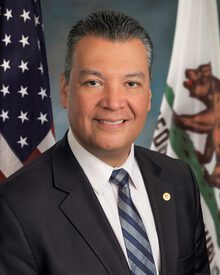
Legislative Progress
Signed into LawSigned by President.
Became Public Law No: 119-95.
Presented to President.
Passed/agreed to in House: On motion to suspend the rules …
DEBATE - The House proceeded with forty minutes of debate …
Considered under suspension of the rules. (consideration: CR H3557-3558)
Motion to reconsider laid on the table Agreed to without …
On motion to suspend the rules and pass the bill …
Mr. Steil moved to suspend the rules and pass the …
Held at the desk.
Bill Structure & Actor Mappings
Who is "The Secretary" in each section?
We use a combination of our own taxonomy and classification in addition to large language models to assess meaning and potential beneficiaries. High confidence means strong textual evidence. Always verify with the original bill text.
Learn more about our methodology