To amend the Public Health Service Act to prohibit discrimination against health care entities that do not participate in abortion, and to strengthen implementation and enforcement of Federal conscience laws.
Analysis under review: This bill has generated analysis that may be too generic or incomplete. Clause-level evidence remains available below.
Summary
What This Bill Does
This bill, To amend the Public Health Service Act to prohibit discrimination against health care entities that do not participate in abortion, and to strengthen implementation and enforcement of Federal conscience laws., changes federal law or congressional policy affecting health care providers and patients. The main policy domain is Healthcare, Government Operations, Education.
Who Benefits and How
health care providers and patients may benefit from new authority, funding, eligibility, regulatory clarity, or reduced risk created by the bill.
Who Bears the Burden and How
federal implementing agencies, health care providers and patients may take on implementation duties, reporting obligations, compliance costs, or oversight responsibilities.
Key Provisions
- Section H06F19BC3EE6642018D9268596F795FDF: 1. Short title This Act may be cited as the Conscience Protection Act of 2024.
- Section H694D1DB258CF4AFBAAB76D3CC805D939: 2. Findings Congress finds as follows: Thomas Jefferson stated a conviction common to our Nation’s founders when he declared in 1809 that [n]o provision in our...
- Section HB8FADAE531824F2B9CBE4AF527671C13: 3. Prohibiting discrimination against health care entities that do not participate in abortion Title II of the Public Health Service Act (42 U.S.C. 202 et...
- Section H818398BA9420454B9FC6067D7EC9F1C0: 245A. Prohibiting discrimination against health care entities that do not participate in abortion Notwithstanding any other law, the Federal Government, and...
- Section ide35a0aeb5d0a420bb4ebf5ebe32d0cfe: 4. Strengthening enforcement of Federal conscience laws Title II of the Public Health Service Act (42 U.S.C. 202 et seq.), as amended by section 3, is further...
Evidence Chain:
This summary is generated from the full bill text using AI analysis. Expand "Detailed Analysis" below for identified beneficiaries/burden bearers with clause-level evidence links.
At a Glance
What This Bill Does
This bill, To amend the Public Health Service Act to prohibit discrimination against health care entities that do not participate in abortion, and to strengthen implementation and enforcement of Federal conscience laws., changes federal law or congressional policy affecting health care providers and patients.
Key Policy Areas
Healthcare, Government Operations, Education
Primary Purpose
This bill, To amend the Public Health Service Act to prohibit discrimination against health care entities that do not participate in abortion, and to strengthen implementation and enforcement of Federal conscience laws., changes federal law or congressional policy affecting health care providers and patients.
Policy Domains
Whole bill
Identified Gains
- health care providers and patients
Identified Costs
- federal implementing agencies
- health care providers and patients
Sponsors

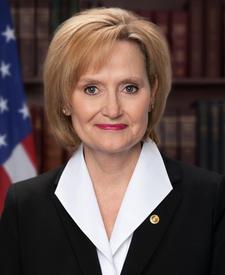
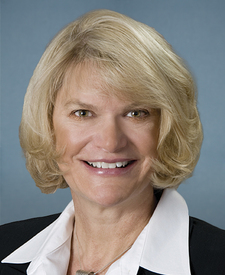

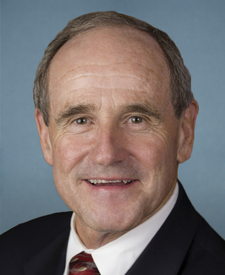
Legislative Progress
IntroducedMr. Lankford (for himself, Mr. Cramer, Mr. Daines, Mr. Hoeven, …
Impact analysis is available but no clear stakeholder effects identified. View clause-level analysis →
Bill Structure & Actor Mappings
Who is "The Secretary" in each section?
- "secretary_of_health_and_human_services"
- → Secretary of Health and Human Services
Key Definitions
Terms defined in this bill
an actual or threatened violation of any provision of law described in section 245B(a)(2). The term qualified party means— the Attorney General
an actual or threatened violation of any provision of law described in section 245B(a)(2). The term qualified party means— the Attorney General
We use a combination of our own taxonomy and classification in addition to large language models to assess meaning and potential beneficiaries. High confidence means strong textual evidence. Always verify with the original bill text.
Learn more about our methodology