S4503-119

In Committee

Advancing Menopause Care and Mid-Life Women’s Health Act

119th Congress Introduced May 12, 2026

Summary

What This Bill Does

The Advancing Menopause Care and Mid-Life Women's Health Act builds a new federal menopause and mid-life women's health agenda inside the Public Health Service Act. It directs NIH, through the Office of Research on Women's Health, to coordinate and expand research on perimenopause, menopause, postmenopause, symptoms, disparities, and integrated care models. It authorizes NIH grants for biomedical, public health, clinical, and translational research; directs HHS to expand public-health research, data collection, dashboards, workplace-stressor research, and interagency initiatives; creates public-health promotion and prevention grants; funds national awareness and education outreach; creates clinical training grants; authorizes Centers of Excellence in Menopause and Mid-Life Women's Health; and requires recurring reports to Congress.

Who Benefits and How

Mid-life women experiencing perimenopause, menopause, postmenopause, and related chronic conditions benefit because the bill funds research, screening, testing, treatment, prevention services, public education, and care-coordination models aimed at reducing barriers to care. Rural women, underserved women, Tribal communities, and patients in health professional shortage areas benefit from grant priorities and outreach requirements that target known disparities. Researchers, clinicians, teaching hospitals, minority-serving institutions, public-health departments, nonprofit hospitals, medical schools, nursing schools, pharmacy schools, and small businesses benefit from new grant opportunities for research, care delivery, training, and centers of excellence.

Who Bears the Burden and How

The Department of Health and Human Services, NIH, the Office of Research on Women's Health, and other federal agencies bear the administrative burden because they must coordinate research, create disease categories, award and oversee grants, maintain dashboards and websites, conduct outreach, evaluate projects, and submit recurring reports to Congress. Grant recipients also bear compliance burdens because eligible entities must apply for funds, operate programs, distribute evidence-based materials, report annually on center activities, and participate in federal evaluation and oversight.

Key Provisions

  • Authorizes $25 million per year for fiscal years 2027 through 2031 for NIH and HHS research on menopause, mid-life women's health, disparities, diagnostic testing, treatment approaches, dashboards, and workplace stressors.
  • Authorizes $10 million per year for fiscal years 2027 through 2031 for public-health promotion grants that improve early detection, diagnosis, treatment, care coordination, mental health support, substance-use prevention, and best practices for menopause care.
  • Creates a national awareness, education, outreach, and online-resource program for patients, caregivers, providers, first responders, public health departments, rural areas, underserved areas, and Tribal communities.
  • Authorizes $10 million per year for fiscal years 2027 through 2031 for clinical training grants to medical, dental, nursing, pharmacy, hospital, residency, and related training programs.
  • Establishes Centers of Excellence in Menopause and Mid-Life Women's Health, prioritizes service in shortage and underserved areas, requires annual center reports, and requires HHS reports to Congress on program progress, disparities, barriers, training gaps, and best practices.

Evidence Chain:

This summary is generated from the full bill text using AI analysis. Expand "Detailed Analysis" below for identified beneficiaries/burden bearers with clause-level evidence links.

At a Glance

What This Bill Does

The bill expands federal research, grants, public-health outreach, clinical training, centers of excellence, reporting, and interagency coordination for menopause, perimenopause, postmenopause, and mid-life women's health.

Key Policy Areas

Healthcare, Education, Government Operations

Primary Purpose

The bill expands federal research, grants, public-health outreach, clinical training, centers of excellence, reporting, and interagency coordination for menopause, perimenopause, postmenopause, and mid-life women's health.

Policy Domains

Healthcare Education Government Operations

Federal research, grants, dashboards, and research coordination

Identified Gains
  • Mid-life women with menopausal symptoms
  • NIH-funded menopause researchers
  • Clinicians conducting translational research
  • Small businesses developing diagnostic tools
Model: codex-gpt-5 | Version: bill_summary_v2 | Source: is
NIH-funded menopause researchers: ,
Mid-life women with menopausal symptoms: ,
Clinicians conducting translational research: ,
Small businesses developing diagnostic tools:
Identified Costs
  • National Institutes of Health
  • Office of Research on Women's Health
  • Department of Health and Human Services
Model: codex-gpt-5 | Version: bill_summary_v2 | Source: is
National Institutes of Health: ,
Office of Research on Women's Health: ,
Department of Health and Human Services:

Clinical training grants and centers of excellence

Identified Gains
  • Medical schools
  • Nursing schools
  • Pharmacy schools
  • Teaching hospitals
  • Health professional trainees
  • Patients in medically underserved areas
Model: codex-gpt-5 | Version: bill_summary_v2 | Source: is
Medical schools: ,
Nursing schools: ,
Pharmacy schools: ,
Teaching hospitals: ,
Health professional trainees: ,
Patients in medically underserved areas: ,
Identified Costs
  • Department of Health and Human Services
  • Centers of Excellence grant recipients
  • Clinical training grant recipients
Model: codex-gpt-5 | Version: bill_summary_v2 | Source: is
Clinical training grant recipients: ,
Centers of Excellence grant recipients: ,
Department of Health and Human Services: ,

Public-health promotion, prevention, awareness, education, and outreach

Identified Gains
  • Rural women with menopause-care barriers
  • Underserved women seeking menopause care
  • State public health departments
  • Tribal public health departments
  • Health care providers receiving technical assistance
Model: codex-gpt-5 | Version: bill_summary_v2 | Source: is
State public health departments: ,
Tribal public health departments: ,
Rural women with menopause-care barriers: ,
Underserved women seeking menopause care: ,
Health care providers receiving technical assistance: ,
Identified Costs
  • Department of Health and Human Services
  • Grant-recipient public health departments
  • Grant-recipient health-profession schools
Model: codex-gpt-5 | Version: bill_summary_v2 | Source: is
Department of Health and Human Services: ,
Grant-recipient health-profession schools:
Grant-recipient public health departments: ,

Congressional reporting and interagency coordination

Identified Gains
  • Congressional health committees
  • Department of Veterans Affairs health programs
  • Department of Defense health programs
Model: codex-gpt-5 | Version: bill_summary_v2 | Source: is
Congressional health committees:
Department of Defense health programs:
Department of Veterans Affairs health programs:
Identified Costs
  • Secretary of Health and Human Services
  • Department of Veterans Affairs
  • Department of Defense
Model: codex-gpt-5 | Version: bill_summary_v2 | Source: is
Department of Defense:
Department of Veterans Affairs:
Secretary of Health and Human Services: ,

Legislative Progress

In Committee
Introduced Committee Passed
May 12, 2026

Read twice and referred to the Committee on Health, Education, …

May 12, 2026

Introduced in Senate

May 12, 2026

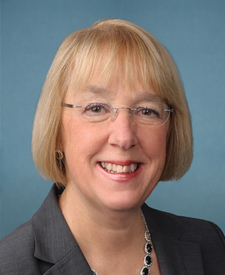
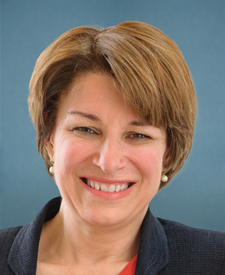
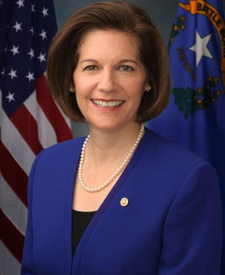
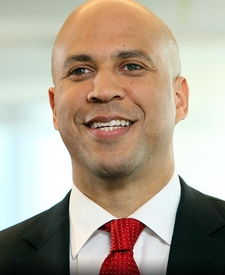
Mrs. Murray (for herself, Ms. Murkowski, Ms. Alsobrooks, Ms. Baldwin, …

Stakeholder Effects

cui bono?

How this legislation distributes effects. Mention counts reflect frequency, not effect magnitude.

Healthcare
16 mentions across 9 clauses
+16 positive

Caregivers seeking menopause information, Medically underserved women, Mid-life women facing care barriers

Federal Administration
15 mentions across 12 clauses
-15 negative

Department of Defense health programs, Department of Health and Human Services, Department of Veterans Affairs health programs

Health Care Providers
14 mentions across 10 clauses
+11 positive -3 negative

Behavioral health providers serving mid-life women, Center grant recipients, Centers of Excellence in Menopause Care

Positive-direction: Behavioral health providers serving mid-life women, Centers of Excellence in Menopause Care, Clinicians conducting menopause trials, Health care providers receiving HHS guidance, Health care providers receiving technical assistance, Health care providers using center resources, Physicians receiving menopause-care training, Registered nurses receiving menopause-care training, Teaching hospitals with residency programs

Negative-direction: Center grant recipients, Health care delivery programs

Government
9 mentions across 6 clauses
+9 positive

Congressional appropriations committees, Congressional health committees, Public health departments customizing outreach materials

Education
8 mentions across 4 clauses
+6 positive -2 negative

Academic research institutions, Accredited residency programs, Clinical training grant recipients

Positive-direction: Academic research institutions, Accredited residency programs, Health professional trainees, Medical schools training menopause clinicians, Nursing schools training menopause clinicians

Negative-direction: Clinical training grant recipients, Eligible research grantees

13/14
sections analyzed
Full impact breakdown

Bill Structure & Actor Mappings

Who is "The Secretary" in each section?

Domains
Healthcare Government Operations
Actor Mappings
"secretary"
→ Secretary of Health and Human Services
"nih_director"
→ Director of the National Institutes of Health
"orwh_director"
→ Director of the NIH Office of Research on Women's Health
Domains
Healthcare Education
Actor Mappings
"secretary"
→ Secretary of Health and Human Services
"public_health_departments"
→ State, local, Tribal, and territorial public health departments
Domains
Healthcare Education
Actor Mappings
"secretary"
→ Secretary of Health and Human Services
"eligible_entities"
→ Accredited health-profession schools, hospitals, residency programs, training programs, and centers of excellence
Domains
Government Operations Healthcare
Actor Mappings
"secretary"
→ Secretary of Health and Human Services
"federal_partners"
→ Department of Veterans Affairs, Department of Defense, and other federal agencies
"congressional_committees"
→ Named House and Senate health, finance, aging, appropriations, and tax-writing committees

Key Definitions

Terms defined in this bill

2 terms
"Centers of Excellence in Menopause and Mid-Life Women's Health" §id5a77bf9a693943678290e36b3f055e1d

Designated eligible entities receiving HHS grants to improve professional training resources and distribute evidence-based menopause and mid-life women's health resources.

"eligible entities for NIH research grants" §idbed0f7347d294f4abe8af9e22a9561db

Accredited health-profession schools and teaching hospitals, minority-serving institutions, behavioral health clinics with residency programs, nonprofit research institutions, small businesses, and other entities NIH approves.

We use a combination of our own taxonomy and classification in addition to large language models to assess meaning and potential beneficiaries. High confidence means strong textual evidence. Always verify with the original bill text.

Learn more about our methodology