To provide for conservation and economic development in the State of Nevada, and for other purposes.
Analysis under review: This bill has generated analysis that may be too generic or incomplete. Clause-level evidence remains available below.
Summary
What This Bill Does
Comprehensive land bill for Clark County, Nevada that transfers federal land to the Moapa Band of Paiutes to be held in trust, manages public lands for conservation and economic development, and addresses endangered species permitting.
Who Benefits and How
Moapa Band of Paiutes receives land to be held in trust as part of their reservation. Clark County and Nevada cities gain clarity on incidental take permits for development. Conservation interests benefit from protected areas.
Who Bears the Burden and How
Federal government transfers land assets and existing rights-of-way. Electric utilities must navigate reservation of transmission corridor rights-of-way. Development interests face ESA permitting requirements.
Key Provisions
- Transfers land to be held in trust for Moapa Band of Paiutes
- Reserves electric transmission corridor rights-of-way for United States
- Addresses federal incidental take permits for Nevada Department of Transportation and local governments
- Subject to valid existing rights including water and wastewater facilities
Evidence Chain:
This summary is generated from the full bill text using AI analysis. Expand "Detailed Analysis" below for identified beneficiaries/burden bearers.
At a Glance
What This Bill Does
Provides for conservation and economic development in southern Nevada including tribal land transfers and public land management
Who Benefits
- Moapa Band of Paiutes
- Clark County
- Nevada cities
Who Bears Costs
- Federal government
- Electric utilities
Key Policy Areas
Public Lands, Tribal Affairs, Conservation, Economic Development, Endangered Species
Primary Purpose
Provides for conservation and economic development in southern Nevada including tribal land transfers and public land management
Policy Domains
Legislative Strategy
"Balance tribal sovereignty, conservation, and economic development in southern Nevada"
Legislative Progress
ReportedReported by Mr. Manchin, with an amendment
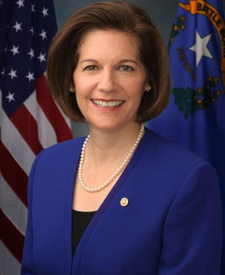
Ms. Cortez Masto introduced the following bill; which was read …
Stakeholder Effects
cui bono?How this legislation distributes effects. Mention counts reflect frequency, not effect magnitude.
City of Boulder City, Nevada, City of Henderson, City of Henderson, Nevada
Clark County faces effects in multiple directions
Bureau of Land Management, Las Vegas Paiute Tribe, Moapa Band of Paiutes
Positive-direction: Las Vegas Paiute Tribe, Moapa Band of Paiutes
Negative-direction: Bureau of Land Management
Desert tortoise and other protected species, Endangered species in Clark County, Environmental conservation groups
Clark County Regional Flood Control District, Clark County Water Reclamation District, Las Vegas Valley Water District
Off-highway vehicle users and recreation industry, Recreation and parks services, Red Rock Canyon recreational concessionaires
Industrial and commercial developers, Industrial and commercial developers in Southern Nevada, Real estate developers in Las Vegas area
Positive-direction: Industrial and commercial developers, Industrial and commercial developers in Southern Nevada, Real estate developers in Las Vegas area
Negative-direction: Real estate developers in Southern Nevada, Real estate developers near Las Vegas
Clark County Fire Department, Fire departments and emergency services
Moapa Valley residents, Mount Charleston community
Bill Structure & Actor Mappings
Who is "The Secretary" in each section?
- "the_secretary"
- → Secretary of the Interior
Key Definitions
Terms defined in this bill
An incidental take permit issued under ESA section 10(a)(1)(B) to Nevada DOT, Clark County, or cities of Las Vegas, North Las Vegas, Henderson, Boulder City, or Mesquite
We use a combination of our own taxonomy and classification in addition to large language models to assess meaning and potential beneficiaries. High confidence means strong textual evidence. Always verify with the original bill text.
Learn more about our methodology