Promoting Police Leadership Act
Summary
What This Bill Does
The Promoting Police Leadership Act builds a federal training framework for command-level law-enforcement personnel: officers who manage, direct, or oversee operations in a geographic subunit of a State, local, or Tribal law-enforcement agency. The Attorney General must develop or identify curricula covering leadership, critical incident response, risk management, officer wellness, data-driven policing, evidence-based decisions, and community trust. DOJ must also certify courses, terminate certifications that fail standards, encourage educational-institution partnerships, publish a list of agencies whose officers complete the courses, report annually, and support a GAO review while preserving state and local certification authority.
Who Benefits and How
Command-level police officers benefit from curricula focused on leadership, incident management, officer wellness, data analysis, and community trust. State, local, and Tribal law-enforcement agencies benefit when commanders produce evidence-based problem-solving projects tailored to their jurisdictions. Universities and law-enforcement leadership programs benefit from partnership criteria for certified training programs. Communities served by participating agencies benefit if better-trained commanders improve crisis response, officer wellness, and public trust. Congress benefits from Attorney General reports and a GAO review of DOJ implementation and training outcomes.
Who Bears the Burden and How
The Attorney General must develop curricula, certify courses, publish completion lists, report annually, and support GAO review. DOJ training offices must consult law-enforcement agencies, universities, and other experts, then administer certification and termination processes. Training providers must include in-person instruction, peer learning, assessments, and practical evidence-based projects to qualify. Participating law-enforcement agencies must send command-level personnel and support agency-specific implementation projects. GAO must review DOJ actions and assess whether the program improves leadership and management capacity.
Key Provisions
- Requires DOJ to develop or identify command-level law-enforcement leadership curricula within 180 days.
- Establishes curriculum topics including critical incident response, officer wellness, data-driven policing, evidence-based decision making, and community trust.
- Creates a certification process for programs and courses, including termination of certifications that fail standards.
- Requires publication of participating law-enforcement agencies and annual Attorney General reports.
- Provides a GAO review while preserving State and local authority over police training standards.
Evidence Chain:
This summary is generated from the full bill text using AI analysis. Expand "Detailed Analysis" below for identified beneficiaries/burden bearers with clause-level evidence links.
At a Glance
What This Bill Does
Requires the Justice Department to develop or identify leadership curricula for command-level State, local, and Tribal law-enforcement personnel, certify qualifying programs, publish agency participation lists, and report on implementation.
Key Policy Areas
Law Enforcement, Public Safety, Training
Primary Purpose
Requires the Justice Department to develop or identify leadership curricula for command-level State, local, and Tribal law-enforcement personnel, certify qualifying programs, publish agency participation lists, and report on implementation.
Policy Domains
Bill provisions
Identified Gains
- Command-level police officers
- State law-enforcement agencies
- Tribal law-enforcement agencies
- Universities with law-enforcement programs
- Local communities
Identified Costs
- Attorney General
- DOJ training offices
- Training providers
- Participating law-enforcement agencies
- GAO
Sponsors
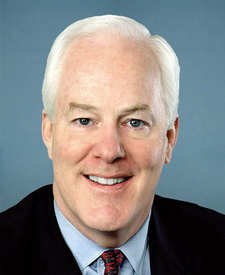
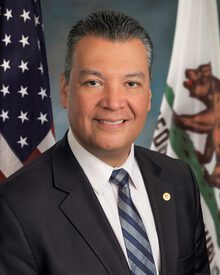


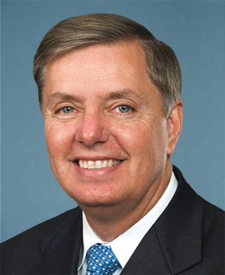
Legislative Progress
Passed SenateHeld at the desk.
Received in the House.
Message on Senate action sent to the House.
Passed Senate with an amendment by Voice Vote. (consideration: CR …
Passed/agreed to in Senate: Passed Senate with an amendment by …
Placed on Senate Legislative Calendar under General Orders. Calendar No. …
Committee on the Judiciary. Reported by Senator Grassley with an …
Reported by Mr. Grassley, with an amendment
Committee on the Judiciary. Ordered to be reported with an …
Read twice and referred to the Committee on the Judiciary.
Stakeholder Effects
cui bono?How this legislation distributes effects. Mention counts reflect frequency, not effect magnitude.
Attorney General, DOJ training offices, GAO
Positive-direction: Tribal law-enforcement agencies
Negative-direction: Attorney General, DOJ training offices, GAO
Command-level police officers, State law-enforcement agencies
Bill Structure & Actor Mappings
Who is "The Secretary" in each section?
- "attorney_general"
- → Attorney General
We use a combination of our own taxonomy and classification in addition to large language models to assess meaning and potential beneficiaries. High confidence means strong textual evidence. Always verify with the original bill text.
Learn more about our methodology