Caring for All Families Act
Analysis under review: This bill has generated analysis that may be too generic or incomplete. Clause-level evidence remains available below.
Summary
What This Bill Does
This bill, Caring for All Families Act, changes federal law or congressional policy affecting schools, students, and education providers. The main policy domain is Education, Labor, Social Welfare.
Who Benefits and How
schools, students, and education providers may benefit from new authority, funding, eligibility, regulatory clarity, or reduced risk created by the bill.
Who Bears the Burden and How
federal implementing agencies, schools, students, and education providers may take on implementation duties, reporting obligations, compliance costs, or oversight responsibilities.
Key Provisions
- Section H01F452705C704D89B02532583DB4CC7C: 1. Short title This Act may be cited as the Caring for All Families Act .
- Section H124F63EAC7774230AB1669E75AB4D27D: 2. Leave to care for a domestic partner, son-in-law, daughter-in-law, parent-in-law, adult child, grandparent, grandchild, or sibling of the employee, or...
- Section HE087E05361454500ABA1956A14A39BA2: 3. Leave to care for a domestic partner, son-in-law, daughter-in-law, parent-in-law, adult child, grandparent, grandchild, or sibling of the employee, or...
- Section HF8A151541C0C4A319A16728C5B5E5130: 4. Entitlement to additional leave under the FMLA for parental involvement and family wellness Section 102(a) of the Family and Medical Leave Act of 1993 (29...
- Section HA7A85F8C3D694B79850767376C072361: 5. Entitlement of Federal employees to leave for parental involvement and family wellness Section 6382(a) of title 5, United States Code, as amended by section...
Evidence Chain:
This summary is generated from the full bill text using AI analysis. Expand "Detailed Analysis" below for identified beneficiaries/burden bearers with clause-level evidence links.
At a Glance
What This Bill Does
This bill, Caring for All Families Act, changes federal law or congressional policy affecting schools, students, and education providers.
Key Policy Areas
Education, Labor, Social Welfare
Primary Purpose
This bill, Caring for All Families Act, changes federal law or congressional policy affecting schools, students, and education providers.
Policy Domains
Whole bill
Identified Gains
- schools, students, and education providers
Identified Costs
- federal implementing agencies
- schools, students, and education providers
Sponsors
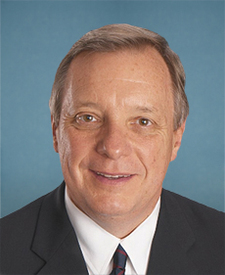
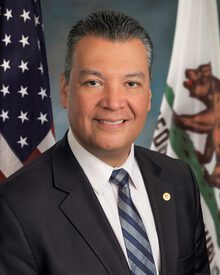
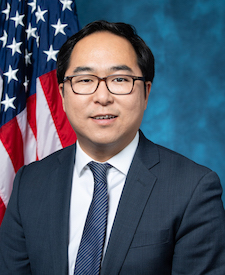
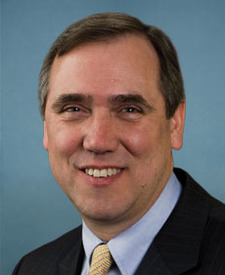
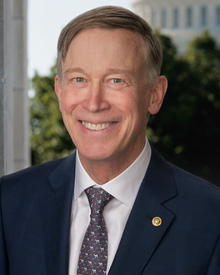
Legislative Progress
In CommitteeMr. Durbin (for himself, Mr. Hickenlooper, Mrs. Gillibrand, Mr. Merkley, …
Read twice and referred to the Committee on Health, Education, …
Introduced in Senate
Impact analysis is available but no clear stakeholder effects identified. View clause-level analysis →
Bill Structure & Actor Mappings
Who is "The Secretary" in each section?
- "the_secretary"
- → The Secretary identified in the operative section
Key Definitions
Terms defined in this bill
any person who is a son or daughter of parent of the employee or covered service member (other than the employee or covered servicemember).(27)Son-in-law
a private nonprofit organization that is representative of a community or a significant segment of a community and provides activities for individuals described in section 6381(6), such as a scouting or sports organization
any person who is a son or daughter of parent of the employee or covered service member (other than the employee or covered servicemember)
We use a combination of our own taxonomy and classification in addition to large language models to assess meaning and potential beneficiaries. High confidence means strong textual evidence. Always verify with the original bill text.
Learn more about our methodology