To secure the rights of public employees to organize, act concertedly, and bargain collectively, which safeguard the public interest and promote the free and unobstructed flow of commerce, and for other purposes.
Analysis under review: This bill has generated analysis that may be too generic or incomplete. Clause-level evidence remains available below.
Summary
What This Bill Does
This bill, To secure the rights of public employees to organize, act concertedly, and bargain collectively, which safeguard the public interest and promote the free and unobstructed flow of commerce, and for other purposes., changes federal law or congressional policy affecting workers, employers, and labor regulators. The main policy domain is Labor, Criminal Justice, Government Operations.
Who Benefits and How
workers, employers, and labor regulators may benefit from new authority, funding, eligibility, regulatory clarity, or reduced risk created by the bill.
Who Bears the Burden and How
federal implementing agencies, workers, employers, and labor regulators may take on implementation duties, reporting obligations, compliance costs, or oversight responsibilities.
Key Provisions
- Section H7AFE2082742449F1A9C50228CA4A8707: 1. Short title This Act may be cited as the Public Service Freedom to Negotiate Act of 2024.
- Section HE350317AA51A4718AE4969EBD2274F1F: 2. Definitions In this Act: The term appropriate unit means a group of public employees or a group of supervisory employees appropriate for collective...
- Section HBE60FDFE481E4849B69B6221223B9F20: 3. Federal minimum standards Not later than 180 days after the date of enactment of this Act (except as provided in paragraph (4)(C)), the Authority shall make...
- Section H195A50D77EB640F189F5BF3CE497FBC7: 4. Minimum standards administered by the Federal Labor Relations Authority Not later than 1 year after the date of enactment of this Act, the Authority shall...
- Section H29D2E607AFDB4A6BA3A4FBB0CB4B34A9: 5. Lockouts and employee strikes prohibited when emergency or public safety services imperiled Subject to subsection (b), any employer, emergency services...
Evidence Chain:
This summary is generated from the full bill text using AI analysis. Expand "Detailed Analysis" below for identified beneficiaries/burden bearers with clause-level evidence links.
At a Glance
What This Bill Does
This bill, To secure the rights of public employees to organize, act concertedly, and bargain collectively, which safeguard the public interest and promote the free and unobstructed flow of commerce, and for other purposes., changes federal law or congressional policy affecting workers, employers, and labor regulators.
Key Policy Areas
Labor, Criminal Justice, Government Operations
Primary Purpose
This bill, To secure the rights of public employees to organize, act concertedly, and bargain collectively, which safeguard the public interest and promote the free and unobstructed flow of commerce, and for other purposes., changes federal law or congressional policy affecting workers, employers, and labor regulators.
Policy Domains
Whole bill
Identified Gains
- workers, employers, and labor regulators
Identified Costs
- federal implementing agencies
- workers, employers, and labor regulators
Sponsors

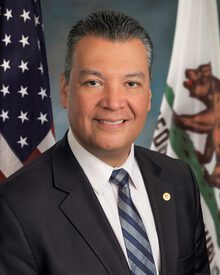


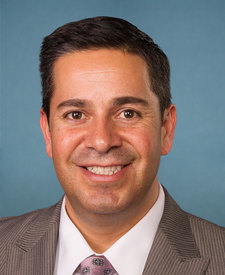
Legislative Progress
IntroducedMs. Hirono (for herself, Ms. Baldwin, Mr. Blumenthal, Mr. Booker, …
Impact analysis is available but no clear stakeholder effects identified. View clause-level analysis →
Bill Structure & Actor Mappings
Who is "The Secretary" in each section?
- "the_commission"
- → The commission identified in the operative section
Key Definitions
Terms defined in this bill
an entity that— employs not less than 1 individual
We use a combination of our own taxonomy and classification in addition to large language models to assess meaning and potential beneficiaries. High confidence means strong textual evidence. Always verify with the original bill text.
Learn more about our methodology