To improve access to oral health care for vulnerable and underserved populations.
Analysis under review: This bill has generated analysis that may be too generic or incomplete. Clause-level evidence remains available below.
Summary
What This Bill Does
This bill establishes comprehensive dental care as a standard medical benefit across major federal health programs. It adds dental coverage to Medicare, expands adult dental benefits under Medicaid with increased federal funding, requires ACA marketplace plans to cover adult dental services, and mandates that veterans receive dental care as a regular VA health benefit rather than a limited exception.
Who Benefits and How
Dental providers (dentists, dental hygienists, dental therapists, oral surgeons) gain dramatically expanded patient populations and reimbursement opportunities through Medicare, Medicaid, VA, and ACA coverage. Dental schools and training programs receive new grant funding and student loan programs. Low-income adults, seniors on Medicare, veterans, and underserved populations gain access to dental care previously unavailable or unaffordable. Federally Qualified Health Centers and rural health clinics receive grants to expand dental services.
Who Bears the Burden and How
Taxpayers and the federal government bear significant new costs for dental coverage under Medicare, Medicaid, and VA programs. Private insurers must add adult dental coverage to ACA plans, potentially increasing premiums. State Medicaid programs must meet new requirements for dental coverage and provider reimbursement rates (at least 70% of usual fees) to qualify for enhanced federal matching funds.
Key Provisions
- Adds oral health services to Medicare Part B with 100% coverage for preventive care and 80% for other services
- Increases Medicaid federal matching by 15 percentage points for states meeting dental coverage requirements
- Requires ACA marketplace plans to cover adult dental services as an essential health benefit
- Mandates VA provide dental care to all enrolled veterans as standard medical benefit
- Creates grants and loan programs for dental workforce training, school-based clinics, and mobile dental services
Evidence Chain:
This summary is generated from the full bill text using AI analysis. Expand "Detailed Analysis" below for identified beneficiaries/burden bearers.
At a Glance
What This Bill Does
Establishes comprehensive dental care coverage under Medicare, Medicaid, VA, ACA plans, and expands oral health workforce training and access programs
Key Policy Areas
Healthcare, Medicare, Medicaid, Veterans Affairs, Education, Workforce Development
Primary Purpose
Establishes comprehensive dental care coverage under Medicare, Medicaid, VA, ACA plans, and expands oral health workforce training and access programs
Policy Domains
Title I - Medicare and Medicaid Dental Coverage
Identified Gains
Contextual inference, no direct clause citation- Medicare beneficiaries (seniors, disabled)
- Medicaid enrollees
- Dental providers
- Dental equipment manufacturers
Contextual inference, no direct clause citation
Identified Costs
Contextual inference, no direct clause citation- Federal government (Medicare costs)
- State Medicaid programs
- Taxpayers
Contextual inference, no direct clause citation
Title V - Indian Health Service
Identified Gains
Contextual inference, no direct clause citation- Native Americans and Alaska Natives
- Indian Health Service
- Tribal organizations
Contextual inference, no direct clause citation
Identified Costs
Contextual inference, no direct clause citation- Federal government
- IHS budget
Contextual inference, no direct clause citation
Title II - Workforce, Education, and Access
Identified Gains
Contextual inference, no direct clause citation- Dental students and trainees
- Dental therapists
- Dental schools
- FQHCs and rural health clinics
- Underserved populations
- School children
Contextual inference, no direct clause citation
Identified Costs
Contextual inference, no direct clause citation- Federal government (appropriations)
- Taxpayers
Contextual inference, no direct clause citation
Title IV - Bureau of Prisons
Identified Gains
Contextual inference, no direct clause citation- Federal prisoners
- Alternative dental health care providers
Contextual inference, no direct clause citation
Identified Costs
Contextual inference, no direct clause citation- Bureau of Prisons budget
- Federal government
Contextual inference, no direct clause citation
Title VI - Reports and Evaluations
Identified Gains
Contextual inference, no direct clause citation- Congress (oversight)
- GAO
Contextual inference, no direct clause citation
Identified Costs
Contextual inference, no direct clause citation- HHS (reporting requirements)
- GAO (study requirements)
Contextual inference, no direct clause citation
Title III - Veterans Dental Care
Identified Gains
Contextual inference, no direct clause citation- Veterans
- VA dental staff
- Dental schools partnering with VA
Contextual inference, no direct clause citation
Identified Costs
Contextual inference, no direct clause citation- VA budget
- Federal government
- Taxpayers
Contextual inference, no direct clause citation
Sponsors
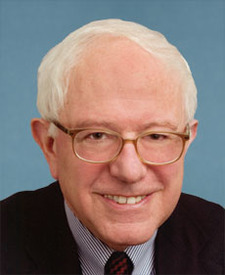

Legislative Progress
IntroducedMr. Sanders (for himself and Mr. Brown) introduced the following …
Stakeholder Effects
cui bono?How this legislation distributes effects. Mention counts reflect frequency, not effect magnitude.
Alternative dental health care providers, Alternative dental health care providers (dental therapists), Dental hygienists willing to serve at VA
Bureau of Prisons, Congress, Federal government (Medicaid FMAP)
Positive-direction: Congress, Indian Health Service, NIH, CDC, AHRQ, HRSA, VA dental clinics and staff
Negative-direction: Bureau of Prisons, Federal government (Medicaid FMAP), Federal government (Medicare program), GAO (Comptroller General), HHS (Secretary), HHS (reporting burden), VA budget, VA dental program office
Academic research institutions, Dental schools, Dental schools and therapy programs
Adults enrolled in ACA marketplace plans, Low-income and underserved individuals, Medicaid enrollees including pregnant women
FQHCs and rural health clinics, FQHCs, rural health centers, tribal facilities, FQHCs, rural health clinics, nonprofit dental clinics
All enrolled veterans, Enrolled veterans, Veterans at high-demand VA clinics
Dental equipment and supply companies, Mobile dental equipment manufacturers
Community health workers and educators, Community health workers, social workers, nutritionists
Bill Structure & Actor Mappings
Who is "The Secretary" in each section?
- "the_secretary"
- → Secretary of Health and Human Services
- "the_secretary"
- → Secretary of Health and Human Services
- "the_secretary"
- → Secretary of Veterans Affairs
- "the_director"
- → Director of the Bureau of Prisons
- "the_attorney_general"
- → Attorney General
- "the_secretary"
- → Secretary of Health and Human Services
- "the_secretary"
- → Secretary of Health and Human Services
- "comptroller_general"
- → Comptroller General of the United States
Note: The Secretary refers to Secretary of HHS in Titles I, II, V, VI but refers to Secretary of Veterans Affairs in Title III
Key Definitions
Terms defined in this bill
Services that are necessary to prevent disease and promote oral health, restore oral structures to health and function, and treat emergency conditions, including mobile and portable oral health services
Services necessary to prevent disease and promote oral health, restore oral structures to health and function, and treat emergency conditions; includes dentures and mobile services; excludes services for individuals under 21 covered by EPSDT
A mid-level dental practitioner who is licensed under State law or certified under the Indian Health Service Community Health Aide Program and provides preventive and restorative services directly to the public
Services necessary to prevent disease and promote oral health, restore oral structures to health and function, and treat emergency conditions
We use a combination of our own taxonomy and classification in addition to large language models to assess meaning and potential beneficiaries. High confidence means strong textual evidence. Always verify with the original bill text.
Learn more about our methodology