To reform the antitrust laws to better protect competition in the American economy, to amend the Clayton Act to modify the standard for an unlawful acquisition, to deter anticompetitive exclusionary conduct that harms competition and consumers, to enhance the ability of the Department of Justice and the Federal Trade Commission to enforce the antitrust laws, and for other purposes.
Analysis under review: This bill has generated analysis that may be too generic or incomplete. Clause-level evidence remains available below.
Summary
What This Bill Does
This bill overhauls U.S. antitrust law to make it easier for the government to block mergers and punish anticompetitive behavior. It lowers the legal standard for challenging mergers, creates new presumptions against acquisitions by dominant firms (over 50% market share), and prohibits exclusionary conduct that harms competition.
Who Benefits and How
Small businesses and startups benefit from stronger protections against being squeezed out by dominant competitors or acquired before they can compete. Workers gain new whistleblower protections and potential financial rewards for reporting antitrust violations. Consumers benefit from policies designed to preserve competitive markets that keep prices lower and choices greater. State attorneys general gain expanded authority to enforce antitrust laws.
Who Bears the Burden and How
Large corporations and dominant firms face significantly higher legal risk and penalties - up to 15% of annual revenue for antitrust violations. Companies with over 50% market share face a legal presumption against acquisitions. Merging companies face a shifted burden of proof on very large deals (over $5 billion) to show their merger will not harm competition. The FTC and DOJ gain new enforcement powers but also new administrative responsibilities including running new offices and producing regular reports.
Key Provisions
- Lowers the merger review standard from 'substantially lessen competition' to 'appreciable risk of materially lessening competition'
- Creates presumption that acquisitions by firms with over 50% market share are anticompetitive
- Establishes civil penalties up to 15% of annual revenues or 30% of revenues in affected markets for Sherman Act and Clayton Act violations
- Creates Office of Competition Advocate and Office of Market Analysis and Data within FTC
- Prohibits exclusionary conduct by dominant firms with new Section 26A of Clayton Act
- Adds whistleblower protections and financial rewards for those reporting antitrust violations
Evidence Chain:
This summary is generated from the full bill text using AI analysis. Expand "Detailed Analysis" below for identified beneficiaries/burden bearers.
At a Glance
What This Bill Does
Strengthens antitrust enforcement by lowering the threshold for blocking mergers, prohibiting exclusionary conduct by dominant firms, increasing civil penalties for antitrust violations, and creating new federal offices to monitor competition.
Key Policy Areas
Antitrust, Corporate Regulation, Consumer Protection, Labor, Federal Agency Administration
Primary Purpose
Strengthens antitrust enforcement by lowering the threshold for blocking mergers, prohibiting exclusionary conduct by dominant firms, increasing civil penalties for antitrust violations, and creating new federal offices to monitor competition.
Policy Domains
Penalty and Enforcement Provisions (Sections 11-14)
Identified Gains
Contextual inference, no direct clause citation- Federal enforcement agencies
- U.S. Treasury
- Competition in markets
Contextual inference, no direct clause citation
Identified Costs
Contextual inference, no direct clause citation- Companies that violate antitrust laws
- Large corporations
Contextual inference, no direct clause citation
FTC Organizational Changes (Sections 8-9)
Identified Gains
Contextual inference, no direct clause citation- FTC
- Competition researchers
- Public interest groups
Contextual inference, no direct clause citation
Identified Costs
Contextual inference, no direct clause citation- Large corporations subject to FTC jurisdiction
- Companies required to file merger notifications
Contextual inference, no direct clause citation
Merger Reform Provisions (Sections 4-7)
Identified Gains
Contextual inference, no direct clause citation- Small businesses
- Startups
- Consumers
- State attorneys general
Contextual inference, no direct clause citation
Identified Costs
Contextual inference, no direct clause citation- Large corporations
- Private equity firms
- Companies pursuing acquisitions
Contextual inference, no direct clause citation
Whistleblower Provisions (Section 15)
Identified Gains
Contextual inference, no direct clause citation- Employees who report violations
- DOJ enforcement
- FTC enforcement
Contextual inference, no direct clause citation
Identified Costs
Contextual inference, no direct clause citation- Employers who retaliate against whistleblowers
- Companies engaged in anticompetitive conduct
Contextual inference, no direct clause citation
Exclusionary Conduct Provisions (Section 10)
Identified Gains
Contextual inference, no direct clause citation- Competitors of dominant firms
- Small businesses
- New market entrants
Contextual inference, no direct clause citation
Identified Costs
Contextual inference, no direct clause citation- Dominant firms (50%+ market share)
- Technology platforms
- Large retailers
Contextual inference, no direct clause citation
Sponsors

Legislative Progress
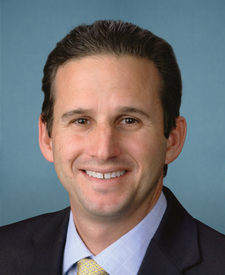
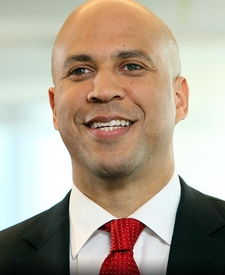
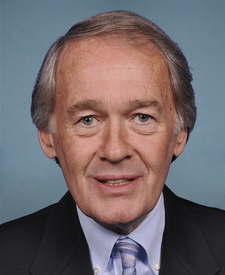
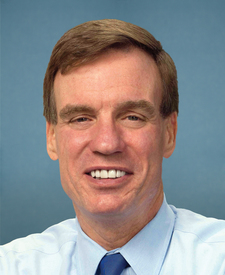
IntroducedMs. Klobuchar (for herself, Mr. Blumenthal, Mr. Whitehouse, Ms. Hirono, …
Stakeholder Effects
cui bono?How this legislation distributes effects. Mention counts reflect frequency, not effect magnitude.
Antitrust defendants, Companies engaged in anticompetitive conduct, Companies engaged in criminal antitrust conduct
Positive-direction: Competitors of dominant firms, Small businesses and new market entrants, Small businesses and startups
Negative-direction: Antitrust defendants, Companies engaged in anticompetitive conduct, Companies engaged in criminal antitrust conduct, Companies engaging in exclusionary conduct, Companies in concentrated industries, Companies in regulated industries claiming antitrust immunity, Companies pursuing acquisitions over $5 billion, Companies required to file HSR notifications, Companies that complete mergers with consent decrees, Companies violating Sherman Act, Companies with 50%+ market share seeking acquisitions, Dominant firms with 50%+ market share, Employers who retaliate against whistleblowers, Large corporations defending against class actions, Large corporations subject to antitrust scrutiny, Large corporations using arbitration clauses
Antitrust enforcers, DOJ Antitrust Division, DOJ Antitrust Division criminal enforcement
DOJ Antitrust Division, Federal Trade Commission face effects in multiple directions
Positive-direction: Antitrust enforcers, DOJ Antitrust Division criminal enforcement, FTC and DOJ Antitrust Division, U.S. Treasury
Negative-direction: Government Accountability Office, Secretary of Labor
Antitrust plaintiffs (government and private), Class action plaintiffs attorneys, Employment attorneys
Employees who report antitrust violations, Potential whistleblowers with knowledge of criminal antitrust violations
General public (consumers), Plaintiffs in antitrust class actions
Multi-sided platform businesses, Technology platforms
Bill Structure & Actor Mappings
Who is "The Secretary" in each section?
- "the_commission"
- → Federal Trade Commission
- "the_attorney_general"
- → U.S. Attorney General / DOJ Antitrust Division
- "the_assistant_attorney_general"
- → Assistant Attorney General for Antitrust
- "the_chair"
- → Chair of the Federal Trade Commission
- "the_commission"
- → Federal Trade Commission
- "the_competition_advocate"
- → Competition Advocate (new position)
- "the_commission"
- → Federal Trade Commission
- "the_attorney_general"
- → U.S. Attorney General
- "the_commission"
- → Federal Trade Commission
- "the_attorney_general"
- → U.S. Attorney General
- "the_secretary"
- → Secretary of Labor
Key Definitions
Terms defined in this bill
Has the meaning given in the first section of the Clayton Act (15 U.S.C. 12) and includes section 5 of the FTC Act to the extent it applies to unfair methods of competition, plus this Act and its amendments
The ability of a person, or group acting in concert, to profitably impose terms or conditions on counterparties that are more favorable than what they could obtain in a competitive market
Conduct that materially disadvantages one or more actual or potential competitors, or tends to foreclose or limit the ability or incentive of competitors to compete
An employee, contractor, subcontractor, or agent of an employer (for whistleblower protection purposes)
We use a combination of our own taxonomy and classification in addition to large language models to assess meaning and potential beneficiaries. High confidence means strong textual evidence. Always verify with the original bill text.
Learn more about our methodology