Native American Housing Assistance and Self-Determination Modernization Act of 2026
Summary
What This Bill Does
The Native American Housing Assistance and Self-Determination Modernization Act of 2026 changes several federal housing laws that govern Indian tribes, tribally designated housing entities, the Department of Hawaiian Home Lands, Native Hawaiian organizations, and HUD Native housing programs. The bill gives tribes and Native Hawaiian housing administrators more flexibility in technical assistance, environmental review, procurement, rents, reporting, subawards, housing counseling, and federal grant participation. It also changes Section 184 Indian home loan guarantees and Section 184A Native Hawaiian home loan guarantees by expanding eligible uses and lenders, allowing direct endorsement by approved lenders, and adding indemnification and lender-review tools for HUD.
The bill creates or expands housing assistance for homeless or at-risk Native people. It reserves at least 5 percent of certain rental assistance for a Tribal HUD-VASH program serving eligible Indian veterans, creates a Tribal Homeless Assistance program for homeless American Indians and Alaska Natives, creates a Native Hawaiian Homeless Assistance program, and authorizes a Tribal and Rural Continuum of Care Builds Program with $25,000,000 for fiscal year 2027 and such sums as may be necessary afterward. It also requires HUD to maintain a Tribal Intergovernmental Advisory Committee and to produce reports on tribal supply chain challenges, Alaska housing, and Native Hawaiian housing.
Who Benefits and How
Indian tribes and tribally designated housing entities benefit from broader control over housing assistance, environmental review determinations, procurement policies, reporting consolidation, Community Compass technical assistance, Continuum of Care participation, and CDBG-funded affordable housing construction. The Department of Hawaiian Home Lands and Native Hawaiian organizations benefit from parallel flexibility for Native Hawaiian housing programs, subawards, counseling exemptions, loan guarantees, and homelessness assistance. Indian families, Native Hawaiian families, current low-income rental families, homeless Indian veterans, homeless American Indians and Alaska Natives, homeless Native Hawaiians, and families in overcrowded living conditions benefit from expanded eligibility, housing vouchers, supportive services, homeownership pathways, and permanent supportive housing funds. Approved Section 184 and 184A lenders, including community development financial institutions, benefit from broader lender eligibility and possible direct guarantee endorsement authority.
Who Bears the Burden and How
The Department of Housing and Urban Development must revise or administer a large set of Native housing rules, process waivers, develop consolidated reporting policies, review lenders, maintain the Tribal Intergovernmental Advisory Committee, coordinate with the Department of Defense, the Department of Veterans Affairs, the Indian Health Service, and the Office of Native Hawaiian Relations, and produce recurring reports. The Department of Hawaiian Home Lands, Indian tribes, TDHEs, and other recipients receive more flexibility but must document exemption decisions, publish rent or procurement policies when they use local rules, certify consistency with Indian housing plans, submit data for homelessness programs, and manage case-management partnerships. Approved lenders bear indemnification and lender-review risk if HUD finds defective origination, fraud, or unacceptable default risk. Residents near projects may face more local discretion and fewer federal environmental, flood, radon, separation-distance, Build America Buy America, or civil-rights review requirements in specified tribal housing contexts. Federal taxpayers bear the cost of the new authorizations, loan guarantees, and rental-assistance set-asides.
Key Provisions
- Expands tribal and Native Hawaiian flexibility for Community Compass technical assistance, procurement, rent policies, consolidated reporting, housing counseling, CDBG affordable housing construction, and Build America Buy America compliance.
- Exempts or consolidates environmental review requirements for many tribal and Department of Hawaiian Home Lands housing projects, including exemptions for smaller affordable housing activities, radon testing, flood-risk standards, certain flood-insurance requirements, residential fuel tanks, and wetlands covered by Army Corps permits.
- Expands Section 184 and Section 184A home-loan guarantee programs by adding eligible lenders, authorizing direct guarantee endorsement, allowing 40-year modified loan terms, and funding guarantee costs for fiscal years 2027 through 2033.
- Creates a Tribal HUD-VASH rental assistance program for homeless or at-risk Indian veterans using at least 5 percent of certain rental-assistance amounts.
- Creates Tribal Homeless Assistance, Native Hawaiian Homeless Assistance, and Tribal and Rural Continuum of Care Builds programs for rental assistance, supportive services, and permanent supportive housing.
- Requires HUD to maintain a Tribal Intergovernmental Advisory Committee and produce public reports on tribal housing supply chains, Alaska housing, and Native Hawaiian housing.
Evidence Chain:
This summary is generated from the full bill text using AI analysis. Expand "Detailed Analysis" below for identified beneficiaries/burden bearers with clause-level evidence links.
At a Glance
What This Bill Does
The bill modernizes Native American and Native Hawaiian housing programs by expanding tribal and Department of Hawaiian Home Lands flexibility, streamlining environmental review and reporting, updating federal home-loan guarantees, and creating targeted homelessness and advisory programs.
Key Policy Areas
Housing, Native American Affairs, Government Operations, Veterans
Primary Purpose
The bill modernizes Native American and Native Hawaiian housing programs by expanding tribal and Department of Hawaiian Home Lands flexibility, streamlining environmental review and reporting, updating federal home-loan guarantees, and creating targeted homelessness and advisory programs.
Policy Domains
HUD Tribal Advisory Committee and Reports
Identified Gains
- Federally recognized tribal delegates
- American Indian housing communities
- Alaska Native housing stakeholders
- Native Hawaiian housing stakeholders
Identified Costs
- Department of Housing and Urban Development
- HUD Tribal Intergovernmental Advisory Committee
NAHASDA Program Flexibility and Streamlining
Identified Gains
- Indian tribes
- Tribally designated housing entities
- Department of Hawaiian Home Lands
- Native American housing recipients
Identified Costs
- Department of Housing and Urban Development
- Federal environmental review agencies
- Residents near exempted housing projects
Section 184 and Section 184A Loan Guarantee Modernization
Identified Gains
- Indian families seeking Section 184 loans
- Native Hawaiian families seeking Section 184A loans
- Community development financial institutions
Identified Costs
- Department of Housing and Urban Development
- Section 184 approved lenders
- Section 184A approved lenders
Native Homelessness, Veteran Housing, and Continuum of Care Programs
Identified Gains
- Homeless Indian veterans
- Homeless American Indians
- Homeless Alaska Natives
- Homeless Native Hawaiians
- Tribal permanent supportive housing developers
Identified Costs
- Department of Housing and Urban Development
- Department of Veterans Affairs
- Indian Health Service
- McKinney-Vento grant applicants outside Native set-asides
Sponsors
Legislative Progress
In CommitteeRead twice and referred to the Committee on Indian Affairs.
Introduced in Senate
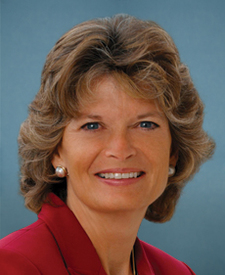
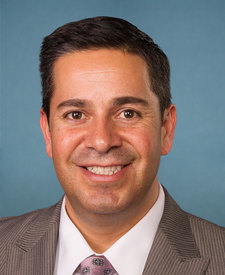
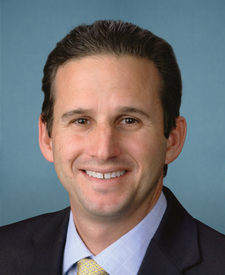
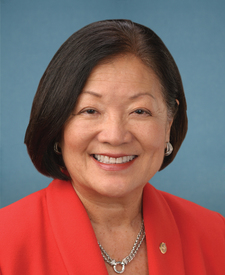
Ms. Murkowski (for herself, Mr. Schatz, Mr. Daines, Mr. Luján, …
Stakeholder Effects
cui bono?How this legislation distributes effects. Mention counts reflect frequency, not effect magnitude.
Alaska Native housing communities, Alaska Native housing stakeholders, American Indian housing communities
Positive-direction: Alaska Native housing communities, Alaska Native housing stakeholders, American Indian housing communities, Current low-income rental families, Department of Hawaiian Home Lands, Department of Hawaiian Home Lands counseling programs, Department of Hawaiian Home Lands counselors, Department of Hawaiian Home Lands federally assisted projects, Essential families living on Indian reservations, Families experiencing overcrowded living conditions, Homeless Alaska Natives, Homeless American Indians, Homeless Native Hawaiians, Indian families seeking Section 184 loans, Indian families under 120 percent area median income, Indian tribes applying for Continuum of Care grants, Indian tribes applying for housing counseling grants, Indian tribes providing housing counseling, Indian tribes receiving CDBG grants, Indian tribes requesting Community Compass assistance, Indian tribes submitting HUD grant reports, Indian tribes using HUD financial assistance, Indian tribes using Innovative Readiness Training resources, Indian tribes with HUD housing plans, NAHASDA grant recipients reading public reports, NAHASDA homeownership program recipients, NAHASDA housing recipients setting rent policies, NAHASDA recipients making small purchases, Native American Housing Block Grant formula recipients, Native Hawaiian current rental families, Native Hawaiian families on fee simple land, Native Hawaiian families seeking Section 184A loans, Native Hawaiian families under 120 percent area median income, Native Hawaiian housing stakeholders, Native Hawaiian nonprofit housing subrecipients, Native Hawaiian permanent supportive housing developers, Native households needing affordable housing, Privately owned Native homes receiving small improvements, Recipients requesting emergency suspension hearings, Rural housing applicants in low-population states, Tenants in partly NAHASDA-funded projects, Tribal communities facing housing supply chain challenges, Tribal homelessness projects in formula areas, Tribal organizations designated for CDBG activities, Tribal organizations providing housing counseling, Tribal permanent supportive housing developers, Tribally designated housing entities applying for counseling grants, Tribally designated housing entities applying for homelessness grants, Tribally designated housing entities carrying out CDBG construction, Tribally designated housing entities providing counseling, Tribally designated housing entities requesting technical assistance, Tribally designated housing entities submitting HUD reports, Tribally designated housing entities using DOD construction resources, Tribally designated housing entities using HUD funds, Tribally designated housing entities using Section 184 loans
Negative-direction: Operators of partly NAHASDA-funded projects, Residents near exempted tribal housing projects
Congressional housing oversight committees, Department of Defense Innovative Readiness Training Program, Department of Defense construction training program
Positive-direction: Congressional housing oversight committees, Federal agencies funding tribal housing projects, Federally recognized tribal delegates, HUD Continuum of Care waiver staff, HUD Native housing reporting staff, HUD Section 184 guarantee fund, HUD grant enforcement staff, HUD housing counseling grant administrators, HUD procurement oversight staff, HUD rent-rule oversight staff, Hawaiian Housing Loan Guarantee Fund
Negative-direction: Department of Defense Innovative Readiness Training Program, Department of Defense construction training program, Department of Housing and Urban Development, Department of Veterans Affairs housing staff, HUD Community Compass administrators, HUD Continuum of Care Builds administrators, HUD Native housing coordination staff, HUD Tribal Intergovernmental Advisory Committee, HUD Tribal Intergovernmental Advisory Committee staff, HUD development cost approval staff, HUD environmental regulation staff, HUD grant reporting policy staff, HUD negotiated rulemaking officials, Office of Native Hawaiian Relations coordination staff
Community development financial institutions originating Section 184 loans, Community development financial institutions originating Section 184A loans, Section 184 direct endorsement lenders
For-profit affordable housing contractors, NAHASDA affordable housing developers
Indian Health Service coordination staff, Indian Health Service program support staff
Small vendors selling to tribal housing programs
Bill Structure & Actor Mappings
Who is "The Secretary" in each section?
- "recipient"
- → Indian tribe, tribally designated housing entity, or Department of Hawaiian Home Lands recipient
- "the_director"
- → Director of the Department of Hawaiian Home Lands
- "the_secretary"
- → Secretary of Housing and Urban Development
- "department_of_hawaiian_home_lands"
- → Department of Hawaiian Home Lands
- "the_secretary"
- → Secretary of Housing and Urban Development
- "eligible_lender"
- → Eligible Section 184 or Section 184A lender
- "direct_guarantee_endorsement_lender"
- → HUD-approved direct guarantee endorsement lender
- "the_secretary"
- → Secretary of Housing and Urban Development
- "eligible_recipient"
- → Indian tribe, TDHE, tribal organization, DHHL, or Native Hawaiian organization receiving program funds
- "secretary_of_veterans_affairs"
- → Secretary of Veterans Affairs
- "director_of_indian_health_service"
- → Director of the Indian Health Service
- "office_of_native_hawaiian_relations"
- → Office of Native Hawaiian Relations
- "committee"
- → HUD Tribal Intergovernmental Advisory Committee
- "the_secretary"
- → Secretary of Housing and Urban Development
- "tribal_delegates"
- → Leaders of federally recognized tribes or authorized designees
Key Definitions
Terms defined in this bill
A member of an Indian Tribe who is homeless or at risk of homelessness.
A Native Hawaiian who is homeless or at risk of homelessness.
An Indian tribe, TDHE, Tribal organization, DHHL, Native Hawaiian organization, or Native Hawaiian community-based organization.
The HUD Tribal Intergovernmental Advisory Committee maintained by the Secretary.
An Indian veteran who is homeless or at risk of homelessness and lives on or near a reservation or Indian area.
A rental assistance and supported housing program for eligible Indian veterans.
We use a combination of our own taxonomy and classification in addition to large language models to assess meaning and potential beneficiaries. High confidence means strong textual evidence. Always verify with the original bill text.
Learn more about our methodology