To require the Secretary of Defense to conduct a study on access to operational energy by the Armed Forces in the Indo-Pacific region.
Sponsors
Legislative Progress
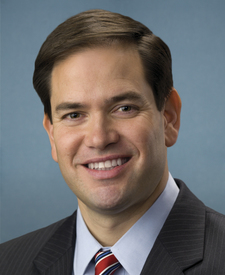
IntroducedMr. Rubio introduced the following bill; which was read twice …
Summary
What This Bill Does
The Fuel Utilization for Enhanced Logistics Act (FUEL Act) requires the Secretary of Defense to study how the U.S. military gets fuel and energy in the Indo-Pacific region and develop a plan to keep that supply secure during conflicts. The bill addresses concerns about military readiness if energy supply chains are disrupted during a potential conflict with China or other adversaries.
Who Benefits and How
United States Armed Forces and Indo-Pacific Command benefit from improved planning for energy security during contested operations. The study will identify vulnerabilities in current fuel logistics and propose solutions like rapid-deployment energy systems that work without traditional fuel supplies.
U.S. energy companies may benefit from new collaboration opportunities with the Defense Department and partner countries to reduce reliance on adversary-controlled energy sources.
Allied and partner nations in the Indo-Pacific region benefit from enhanced security coordination and potential investment in shared energy infrastructure.
Who Bears the Burden and How
The Secretary of Defense must conduct the comprehensive study, develop the strategy, and submit a report to Congress within one year. This requires dedicating staff time and resources to assess current infrastructure, contingency plans, and global refining trends.
No direct costs or regulatory burdens are imposed on private citizens or businesses. This is a study and planning mandate, not a spending or regulatory bill.
Key Provisions
- Requires assessment of current contingency plans and alternative logistics routes for uninterrupted energy supply during contested conditions
- Mandates evaluation of Indo-Pacific energy infrastructure vulnerability to kinetic and cyber attacks
- Requires analysis of political and economic factors affecting energy availability, including the growing influence of national oil companies
- Directs development of a strategy identifying rapid-deployment energy solutions, needed U.S. infrastructure investments, and enhanced supply chain security measures
- Requires a report to Congress within one year including findings, strategy, and legislative recommendations
Evidence Chain:
This summary is derived from the structured analysis below. See "Detailed Analysis" for per-title beneficiaries/burden bearers with clause-level evidence links.
Primary Purpose
This bill requires the Secretary of Defense to conduct a study on operational energy access by the Armed Forces in the Indo-Pacific region and develop a strategy to secure this access.
Policy Domains
Bill Structure & Actor Mappings
Who is "The Secretary" in each section?
- "the_secretary"
- → Secretary of Defense
Key Definitions
Terms defined in this bill
Energy required for training, moving, and sustaining forces and weapons platforms in military operations.
We use a combination of our own taxonomy and classification in addition to large language models to assess meaning and potential beneficiaries. High confidence means strong textual evidence. Always verify with the original bill text.
Learn more about our methodology