Guardianship Bill of Rights Act of 2026
Analysis under review: This bill has generated analysis that may be too generic or incomplete. Clause-level evidence remains available below.
Summary
What This Bill Does
This bill, Guardianship Bill of Rights Act of 2026, changes federal law or congressional policy affecting federal agencies and legislative administrators. The main policy domain is Government Operations, Labor, Civil Rights.
Who Benefits and How
federal agencies and legislative administrators may benefit from new authority, funding, eligibility, regulatory clarity, or reduced risk created by the bill.
Who Bears the Burden and How
federal implementing agencies may take on implementation duties, reporting obligations, compliance costs, or oversight responsibilities.
Key Provisions
- Section S1: 1. Short title This Act may be cited as the Guardianship Bill of Rights Act of 2026.
- Section id92eb110d58204ba497490000f7586304: 2. Findings and purpose Congress finds the following: At least 1,300,000 people in the United States are in some type of guardianship or other protective...
- Section idf588eaefaf5e45e69733a11e63f244c4: 3. Definitions In this Act: The term alternative arrangement means an arrangement with key support personnel who may include family members, friends, and...
- Section id1edef293a043458eafd8c1a9c86b0653: 4. Guardianship and other protective arrangements and supported decisionmaking council Not later than 180 days after the date of enactment of this Act, the...
- Section idf11cc538d579404387248ced3d4a000f: 5. Standards for guardianships, conservatorships, and alternative arrangements The Secretary, through the Administrator of the Administration for Community...
Evidence Chain:
This summary is generated from the full bill text using AI analysis. Expand "Detailed Analysis" below for identified beneficiaries/burden bearers with clause-level evidence links.
At a Glance
What This Bill Does
This bill, Guardianship Bill of Rights Act of 2026, changes federal law or congressional policy affecting federal agencies and legislative administrators.
Key Policy Areas
Government Operations, Labor, Civil Rights
Primary Purpose
This bill, Guardianship Bill of Rights Act of 2026, changes federal law or congressional policy affecting federal agencies and legislative administrators.
Policy Domains
Whole bill
Identified Gains
- federal agencies and legislative administrators
Identified Costs
- federal implementing agencies
Sponsors

Legislative Progress
In CommitteeRead twice and referred to the Committee on Health, Education, …
Introduced in Senate
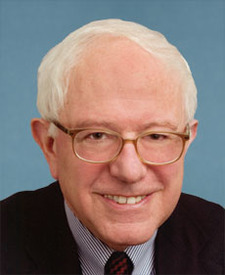
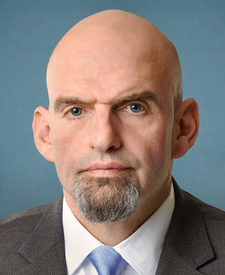
Ms. Duckworth (for herself, Mr. Sanders, and Mr. Fetterman) introduced …
Impact analysis is available but no clear stakeholder effects identified. View clause-level analysis →
Bill Structure & Actor Mappings
Who is "The Secretary" in each section?
- "the_administrator"
- → The Administrator identified in the operative section
- "secretary_of_health_and_human_services"
- → Secretary of Health and Human Services
Key Definitions
Terms defined in this bill
an entity that— is eligible for funding as an Indian tribe under subpart 1 of part E of title I of the Omnibus Crime Control and Safe Streets Act of 1968 (34 U.S.C. 10151 et seq.)
We use a combination of our own taxonomy and classification in addition to large language models to assess meaning and potential beneficiaries. High confidence means strong textual evidence. Always verify with the original bill text.
Learn more about our methodology