To protect an individual’s ability to access contraceptives and to engage in contraception and to protect a health care provider’s ability to provide contraceptives, contraception, and information related to contraception.
Analysis under review: This bill has generated analysis that may be too generic or incomplete. Clause-level evidence remains available below.
Summary
What This Bill Does
The bill defines key terms including contraception, contraceptive (FDA-approved drugs, devices, biological products for pregnancy prevention), government (all branches of US or State), health care provider, and State (including, creates congressional findings establishing contraception as a fundamental right, citing Supreme Court precedents (Griswold, Eisenstadt, Carey), history of reproductive coercion, needs of marginalized communities, and creates a statutory right to obtain contraceptives and engage in contraception free from coercion, with a corresponding provider right, prohibiting any limitation that singles out contraception or impedes access unless. It relies on exemptions, definition changes, liability protections, and compliance mandates. The main policy areas are Healthcare.
Who Benefits and How
Health care providers offering contraception could face fewer barriers, Individuals seeking contraception could face fewer barriers, and Contraception users and providers could face fewer barriers.
Who Bears the Burden and How
States with contraception restrictions would take on compliance duties, States violating contraception access rights could face higher costs, and States restricting contraception access would take on compliance duties.
Key Provisions
- Defines key terms including contraception, contraceptive (FDA-approved drugs, devices, biological products for pregnancy prevention), government (all branches of US or State), health care provider, and State (including...
- Creates congressional findings establishing contraception as a fundamental right, citing Supreme Court precedents (Griswold, Eisenstadt, Carey), history of reproductive coercion, needs of marginalized communities...
- Creates a statutory right to obtain contraceptives and engage in contraception free from coercion, with a corresponding provider right, prohibiting any limitation that singles out contraception or impedes access unless...
- Exempts preempts all conflicting federal and state law, explicitly overrides RFRA, prohibits governments from restricting sale or use of contraceptives or punishing those who aid access, preserves existing federal...
- Requires courts to liberally construe the Act, prohibits construction as authorizing government interference with contraception access, prohibits forced sterilization, and treats private enforcers of contraception...
Evidence Chain:
This summary is generated from the full bill text using AI analysis. Expand "Detailed Analysis" below for identified beneficiaries/burden bearers with clause-level evidence links.
At a Glance
What This Bill Does
The bill defines key terms including contraception, contraceptive (FDA-approved drugs, devices, biological products for pregnancy prevention), government (all branches of US or State), health care provider, and State (including, creates congressional findings establishing contraception as a fundamental right, citing Supreme Court precedents (Griswold, Eisenstadt, Carey), history of reproductive coercion, needs of marginalized communities, and creates a statutory right to obtain contraceptives and engage in contraception free from coercion, with a corresponding provider right, prohibiting any limitation that singles out contraception or impedes access unless.
Key Policy Areas
Healthcare
Primary Purpose
The bill defines key terms including contraception, contraceptive (FDA-approved drugs, devices, biological products for pregnancy prevention), government (all branches of US or State), health care provider, and State (including, creates congressional findings establishing contraception as a fundamental right, citing Supreme Court precedents (Griswold, Eisenstadt, Carey), history of reproductive coercion, needs of marginalized communities, and creates a statutory right to obtain contraceptives and engage in contraception free from coercion, with a corresponding provider right, prohibiting any limitation that singles out contraception or impedes access unless.
Policy Domains
Right to Contraception Act
Identified Gains
- Health care providers offering contraception
- Individuals seeking contraception
- Contraception users and providers
- Individuals seeking contraception access
- Pharmaceutical and device manufacturers
Identified Costs
- States with contraception restrictions
- States violating contraception access rights
- States restricting contraception access
- Religious organizations relying on RFRA for contraception exemptions
- Government officials enforcing contraception restrictions
Sponsors
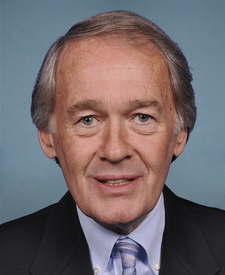
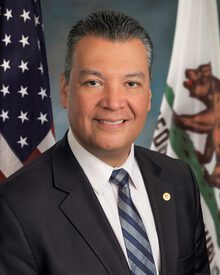



Legislative Progress
IntroducedMr. Markey (for himself, Ms. Duckworth, Ms. Hirono, Ms. Baldwin, …
Stakeholder Effects
cui bono?How this legislation distributes effects. Mention counts reflect frequency, not effect magnitude.
Government officials enforcing contraception restrictions, States restricting contraception access, States violating contraception access rights
Contraception users and providers, Individuals seeking contraception, Individuals seeking contraception access
Health care providers offering contraception
Courts interpreting the Act, Private parties enforcing contraception restrictions
Religious organizations relying on RFRA for contraception exemptions
Bill Structure & Actor Mappings
Who is "The Secretary" in each section?
- "government"
- → Includes all branches, departments, agencies of the United States or a State
- "attorney_general"
- → Attorney General of the United States
- "health_care_provider"
- → Any entity or individual licensed to provide health care services
Key Definitions
Terms defined in this bill
We use a combination of our own taxonomy and classification in addition to large language models to assess meaning and potential beneficiaries. High confidence means strong textual evidence. Always verify with the original bill text.
Learn more about our methodology