To authorize additional district judges for the district courts and convert temporary judgeships.
Sponsors

Legislative Progress
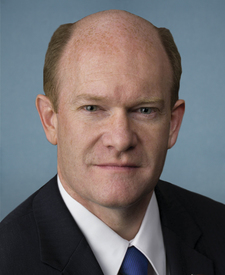
ReportedReported by Mr. Coons (for Mr. Durbin) with an amendment
Reported by Mr. Coons (for Mr. Durbin) with an amendment
Reported by Mr. Coons (for Mr. Durbin) with an amendment
Reported by Mr. Coons (for Mr. Durbin) with an amendment
Reported by Mr. Coons (for Mr. Durbin) with an amendment
Reported by Mr. Coons (for Mr. Durbin) with an amendment
Reported by Mr. Coons (for Mr. Durbin) with an amendment
Reported by Mr. Coons (for Mr. Durbin) with an amendment
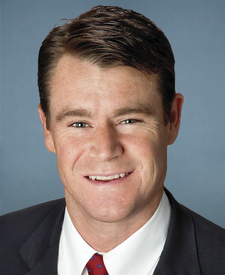
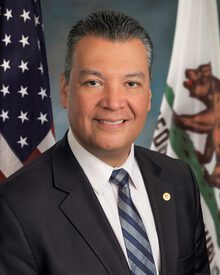
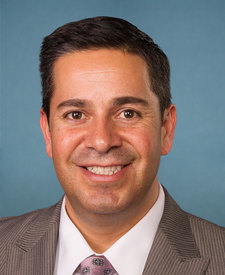
Mr. Young (for himself, Mr. Coons, Mr. Lankford, Mr. Padilla, …
Mr. Young (for himself, Mr. Coons, Mr. Lankford, Mr. Padilla, …
Summary
What This Bill Does
Creates new permanent district court judgeships across the country in response to a 30% increase in case filings since the last comprehensive judgeship legislation in 1990, the longest gap since federal courts were established in 1789.
Who Benefits and How
Litigants benefit from faster case resolution. Existing judges gain reduced caseloads. The judicial system improves efficiency with more judges to handle 686,797 pending cases.
Who Bears the Burden and How
Federal budget bears costs of new judges, staff, and chambers. Senate must confirm all new appointees. Federal buildings may need expansion for additional courtrooms.
Key Provisions
- Implements Judicial Conference 2023 request for 66 new judgeships
- Appointments begin January 21, 2025
- Converts temporary judgeships to permanent
- Addresses 491 weighted filings per judgeship average
Evidence Chain:
This summary is derived from the structured analysis below. See "Detailed Analysis" for per-title beneficiaries/burden bearers with clause-level evidence links.
Primary Purpose
Authorizes 66 new federal district court judgeships to address judicial understaffing
Policy Domains
Legislative Strategy
"Address federal court backlog through expanded judicial capacity"
Bill Structure & Actor Mappings
Who is "The Secretary" in each section?
- "the_president"
- → President of the United States
We use a combination of our own taxonomy and classification in addition to large language models to assess meaning and potential beneficiaries. High confidence means strong textual evidence. Always verify with the original bill text.
Learn more about our methodology