Reauthorizing Support and Treatment for Officers in Crisis Act of 2025
Summary
What This Bill Does
The bill extends an existing grant authorization in the Omnibus Crime Control and Safe Streets Act by changing the covered years from 2020 through 2024 to 2025 through 2029. The program supports law enforcement officers and families, so the amendment keeps the grant authority alive for the next five fiscal years rather than letting it lapse.
Who Benefits and How
Law enforcement officers benefit because support grants remain authorized through 2029. Police families benefit from continued program authority for family support services. Peer support providers benefit if grant-funded services continue under the reauthorization. DOJ grant managers benefit from a clear statutory authorization window for awards.
Who Bears the Burden and How
DOJ grant managers must administer the reauthorized program through fiscal year 2029. Grant applicants must continue to apply and comply with program rules. Congress must appropriate funding for the authorization to turn into actual awards. Federal taxpayers bear the cost of any grants funded under the extended authorization.
Key Provisions
- Amends the Omnibus Crime Control and Safe Streets Act grant authorization.
- Authorizes the program for fiscal years 2025 through 2029.
- Provides support for law enforcement officers and families.
- Extends the grant authority while leaving annual funding to appropriations.
Evidence Chain:
This summary is generated from the full bill text using AI analysis. Expand "Detailed Analysis" below for identified beneficiaries/burden bearers with clause-level evidence links.
At a Glance
What This Bill Does
Reauthorizes Omnibus Crime Control and Safe Streets Act grants supporting law enforcement officers and their families for fiscal years 2025 through 2029.
Key Policy Areas
Law Enforcement, Grants
Primary Purpose
Reauthorizes Omnibus Crime Control and Safe Streets Act grants supporting law enforcement officers and their families for fiscal years 2025 through 2029.
Policy Domains
Bill provisions
Identified Gains
- Law enforcement officers
- Police families
- Peer support providers
- DOJ grant managers
Identified Costs
- DOJ grant managers
- Grant applicants
- Congress
- Federal taxpayers
Sponsors
Legislative Progress
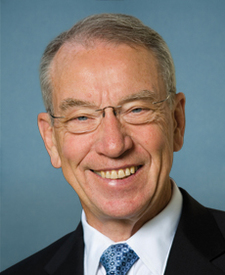
ReportedReported by Mr. Grassley, without amendment
Placed on Senate Legislative Calendar under General Orders. Calendar No. …
Committee on the Judiciary. Reported by Senator Grassley without amendment. …
Committee on the Judiciary. Ordered to be reported without amendment …
Mr. Hawley (for himself, Mr. Whitehouse, Mr. Blumenthal, Ms. Hirono, …
Mr. Hawley (for himself, Mr. Whitehouse, Mr. Blumenthal, Ms. Hirono, …
Read twice and referred to the Committee on the Judiciary.
Introduced in Senate
Stakeholder Effects
cui bono?How this legislation distributes effects. Mention counts reflect frequency, not effect magnitude.
Bill Structure & Actor Mappings
Who is "The Secretary" in each section?
- "attorney_general"
- → Attorney General
We use a combination of our own taxonomy and classification in addition to large language models to assess meaning and potential beneficiaries. High confidence means strong textual evidence. Always verify with the original bill text.
Learn more about our methodology