INSULIN Act of 2026
Summary
What This Bill Does
The reported INSULIN Act of 2026 requires group health plans and individual-market insurers, beginning with plan years on or after January 1, 2028, to cover selected insulin products without a deductible. For each 30-day supply, cost sharing may not exceed the lesser of $35 or 25 percent of the negotiated price net of all concessions. A plan must select at least one marketed product in each dosage form, delivery device, and insulin type. The requirement generally does not govern nonselected insulin or out-of-network dispensing, and plans may retain clinically justified safety controls, reasonable quantity limits, and controls specified by the Secretary. The Affordable Care Act, ERISA, and tax-code amendments carry these rules across regulated plans and preserve high-deductible-plan treatment. HHS, Labor, and Treasury may implement the insurance provisions through subregulatory guidance for plan years ending no later than January 1, 2030, without Paperwork Reduction Act procedures. The bill also reforms FDA citizen petitions that can delay generic or biosimilar approvals: a petitioner must first use the administrative process, include all supporting arguments, file within 180 days after learning the basis, and satisfy exhaustion and timeliness rules before seeking judicial relief. FDA may consider listed delay indicators. A new competitive-biosimilar designation permits expedited development and review when fewer than three biosimilars are licensed and at least three years have passed since applicable exclusivities expired. HHS must operate a five-year, ten-State grant pilot for uninsured insulin users, with $100 million authorized for fiscal year 2027 and a $35-per-month affordability standard. Grants may support federally qualified health centers, retail community pharmacies, manufacturer-assistance navigation, and related access activities, with a formula and annual State reporting. GAO must report within two years on uninsured insulin users. HHS must also fund an independent resource center, website, public education, and continuously available voice-and-text hotline; the grantee cannot be an insulin manufacturer or receive enrollment consideration from one, and HHS must report annually. The resource center receives $2 million annually for fiscal years 2027 through 2032. Compared with the introduced bill, the reported substitute shifts insurance applicability from 2027 to 2028, removes the proposed requirement that pharmacy benefit managers and other intermediaries pass 100 percent of insulin rebates to plans, removes a separate insulin-competition report, narrows the detailed expedited-biosimilar process, and adds temporary subregulatory implementation authority.
Who Benefits and How
Insulin-using people enrolled in regulated health coverage receive no-deductible access and a defined monthly cost-sharing ceiling for a representative selection of insulin products. Uninsured people in ten participating States may receive subsidized insulin through health centers and community pharmacies, and uninsured people nationwide may use impartial assistance-program information, enrollment help, a website, and a 24/7 hotline. Generic and qualifying biosimilar applicants gain procedural protections against late or serial delay petitions and a potential expedited FDA review path. Federally qualified health centers, retail pharmacies, a qualified independent resource-center grantee, health navigators, State health agencies, Congress, and federal policymakers gain grants, service roles, data, or oversight information.
Who Bears the Burden and How
Health plans, insurers, pharmacy benefit managers, and administrators must configure formularies and claims, cover selected insulin without deductibles, apply the net-price cap, count payments correctly, and limit utilization controls. HHS, Labor, Treasury, FDA, GAO, participating States, and the resource-center grantee assume rulemaking, review, grant, data, hotline, evaluation, and reporting work. Federal taxpayers bear the authorized pilot and resource-center costs. Drug sponsors using citizen petitions face a 180-day filing rule, mandatory administrative exhaustion, and dismissal consequences. Reference biologic manufacturers may face earlier competition. The reported bill does not retain the introduced 100-percent insulin-rebate pass-through, so plan sponsors and participants do not receive that proposed transfer, while pharmacy benefit managers and other intermediaries avoid its remittance, disclosure, and annual-audit duties.
Key Provisions
- Limits selected-insulin cost sharing to the lesser of $35 or 25 percent of net negotiated price beginning in 2028.
- Requires no-deductible coverage across regulated group and individual health plans with limited clinical and network exceptions.
- Tightens citizen-petition timing, exhaustion, and judicial-dismissal rules for challenges affecting generic and biosimilar approvals.
- Authorizes expedited FDA review for designated biosimilars in markets with fewer than three competitors after exclusivity periods expire.
- Establishes a five-year, ten-State uninsured-insulin pilot backed by a $100 million fiscal year 2027 authorization.
- Requires a two-year GAO study of uninsured insulin users and annual oversight of the assistance resource center.
- Funds an impartial insulin-assistance website, public education program, and 24/7 voice-and-text hotline through fiscal year 2032.
- Removes the introduced full rebate pass-through and separate insulin-competition-report provisions from the reported bill.
Evidence Chain:
This summary is generated from the full bill text using AI analysis. Expand "Detailed Analysis" below for identified beneficiaries/burden bearers with clause-level evidence links.
At a Glance
What This Bill Does
Reduces out-of-pocket insulin costs for insured and uninsured people, accelerates generic and biosimilar competition, and creates federal studies, grants, and navigation services for insulin access.
Key Policy Areas
Healthcare, Pharmaceutical Regulation, Health Insurance, Federal Grants
Primary Purpose
Reduces out-of-pocket insulin costs for insured and uninsured people, accelerates generic and biosimilar competition, and creates federal studies, grants, and navigation services for insulin access.
Policy Domains
INSULIN Act of 2026
Identified Gains
- Insulin-using enrollees in regulated health plans
- Uninsured insulin users in participating States
- Generic drug applicants
- Qualifying biosimilar product sponsors
- Federally qualified health centers
- Retail community pharmacies
Identified Costs
- Group health plans and health insurance issuers
- Food and Drug Administration reviewers
- Drug sponsors filing delay-related citizen petitions
- Department of Health and Human Services grant administrators
- Participating State health agencies
- Federal taxpayers
Sponsors
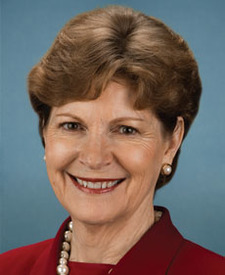

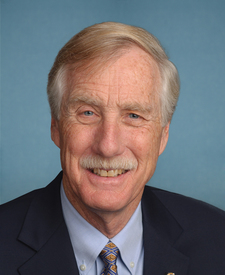

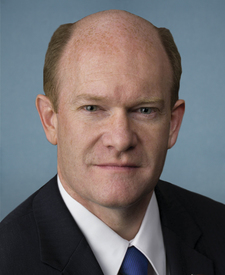
Legislative Progress
ReportedPlaced on Senate Legislative Calendar under General Orders. Calendar No. …
Committee on Health, Education, Labor, and Pensions. Reported by Senator …
Reported by Mr. Cassidy, with an amendment
Committee on Health, Education, Labor, and Pensions. Ordered to be …
Read twice and referred to the Committee on Health, Education, …
Introduced in Senate
Mrs. Shaheen (for herself, Ms. Collins, Mr. Warnock, Mr. Kennedy, …
Mrs. Shaheen (for herself, Ms. Collins, Mr. Warnock, Mr. Kennedy, …
Stakeholder Effects
cui bono?How this legislation distributes effects. Mention counts reflect frequency, not effect magnitude.
Centers for Medicare and Medicaid Services analysts, Congressional health and appropriations committees, Congressional health committees
Department of Health and Human Services grant staff, Participating State grant administrators face effects in multiple directions
Positive-direction: Congressional health and appropriations committees, Congressional health committees, Department of Health and Human Services regulators, Department of Labor benefit regulators, Department of the Treasury health-plan regulators, Federal courts hearing drug-approval challenges, Federal health policymakers, State health-policy officials, Ten participating State health agencies
Negative-direction: Centers for Medicare and Medicaid Services analysts, Department of Health and Human Services analysts, Department of Health and Human Services resource-center staff, Federal employee-benefit and tax regulators, Federal employee-benefit regulators, Federal health-plan regulators, Food and Drug Administration analysts, Food and Drug Administration biologics reviewers, Food and Drug Administration petition reviewers, Government Accountability Office health analysts
Insulin-using enrollees in regulated health plans, Insulin-using enrollees subject to deductibles, Insulin-using health-plan enrollees
Taxpayers faces effects in multiple directions
Positive-direction: Insulin-using enrollees in regulated health plans, Insulin-using enrollees subject to deductibles, Insulin-using health-plan enrollees, Insulin-using participants in retiree-only health plans, Insulin-using participants in specified small group plans, Insulin-using patients, Participants in group health plans, Patients purchasing generic medicines, Patients using biologic medicines, Uninsured insulin users, Uninsured insulin users in participating States, Uninsured people seeking affordable insulin
Negative-direction: Members of the public providing regulatory comments, Patient advocates participating in the GAO study
Clinical professional associations participating in the study, Employer group health plans regulated by ERISA, Federally qualified health centers in participating States
Positive-direction: Federally qualified health centers in participating States, Group health plan sponsors, Health navigators staffing the hotline, Health plans purchasing biologic medicines
Negative-direction: Clinical professional associations participating in the study, Employer group health plans regulated by ERISA, Group and individual health plans covered by the introduced bill, Group and individual health plans covered by the reported bill, Group health plans regulated under the Internal Revenue Code, Health care provider groups participating in the study, Health insurance issuers regulated under the Public Health Service Act, Health-plan audit and compliance teams, Health-plan compliance departments, Regulated health plans awaiting implementation rules, Retiree-only group health plans, Specified small employer health plans
Biological-product manufacturing facilities, Biosimilar insulin developers, Biosimilar product applicants
Positive-direction: Biosimilar insulin developers, Biosimilar product applicants, Generic drug applicants, Qualifying biosimilar product sponsors
Negative-direction: Biological-product manufacturing facilities, Drug sponsors filing delay-related citizen petitions, Insulin manufacturers paying plan rebates, Insulin manufacturers seeking control of the resource center, Manufacturers of selected insulin products, Reference biological-product manufacturers
ERISA-plan pharmacy benefit managers and third-party administrators, Health-insurance pharmacy benefit managers and third-party administrators, Pharmacy benefit managers serving regulated plans
Counsel challenging generic or biosimilar approvals, Health-plan compliance counsel, Legislative compliance counsel
Eligible nonprofit or professional-association grantee
Bill Structure & Actor Mappings
Who is "The Secretary" in each section?
- "covered_plans"
- → Group health plans and health insurance issuers
- "tax_regulator"
- → Secretary of the Treasury
- "drug_regulator"
- → Commissioner of Food and Drugs
- "study_official"
- → Comptroller General of the United States
- "pilot_recipients"
- → Ten participating State governments
- "delivery_partners"
- → Federally qualified health centers and retail community pharmacies
- "benefits_regulator"
- → Secretary of Labor
- "insurance_regulator"
- → Secretary of Health and Human Services
Key Definitions
Terms defined in this bill
For the uninsured-insulin pilot, an out-of-pocket cost no greater than $35 for a one-month supply.
At least one marketed insulin in each dosage form, delivery device, and insulin type selected by a regulated plan for the 2028-and-later cost-sharing rules.
Fewer than three current biosimilars for a reference product after at least three years have passed since all listed exclusivity periods expired.
We use a combination of our own taxonomy and classification in addition to large language models to assess meaning and potential beneficiaries. High confidence means strong textual evidence. Always verify with the original bill text.
Learn more about our methodology