To prescribe requirements relating to the management of the consolidated Federal asset commonly known as Plum Island, New York, and for other purposes.
Sponsors
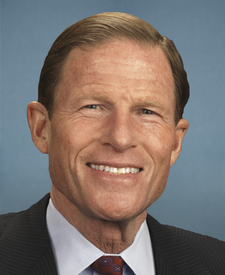



Legislative Progress
IntroducedMr. Blumenthal (for himself, Mr. Schumer, Mrs. Gillibrand, and Mr. …
Summary
What This Bill Does
The Plum Island Preservation Act permanently protects Plum Island, a federal property located off the coast of New York, from being sold or developed. The bill requires the General Services Administration to organize a multi-year planning process involving federal agencies, state officials, tribal governments, and local communities to create a long-term management plan that balances environmental conservation, historical preservation, and public access to the island.
Who Benefits and How
Environmental conservation groups and historical preservation organizations benefit because the bill guarantees permanent protection of the island and creates opportunities for them to participate in shaping its future management through formal visioning sessions. Tribal governments with cultural connections to Plum Island gain an official seat at the table in planning discussions. Local New York communities and the general public benefit from guaranteed access to the island for recreational and educational purposes, something that wouldn't be possible if the property were sold to private buyers.
Who Bears the Burden and How
The General Services Administration faces significant new administrative burdens, including organizing stakeholder meetings, managing the visioning process, coordinating with multiple federal agencies, and submitting annual progress reports to four Congressional committees for several years. The Departments of Homeland Security and Interior must dedicate staff time to consultation requirements. Real estate developers and private buyers lose any opportunity to acquire this valuable waterfront federal property, which the government had previously considered selling.
Key Provisions
- Permanently prohibits the sale, transfer, or disposal of Plum Island and its associated properties including the Orient Point terminal
- Mandates that Plum Island be used only for ecological conservation, celebration of historical/cultural heritage, and public access
- Requires GSA Administrator to start stakeholder visioning sessions within 180 days of the bill's enactment
- Mandates annual Congressional reports describing stakeholder consultations, progress, outcomes, and timelines until one year after visioning sessions are complete
- Ensures Tribal governments, federal/state agencies, and other stakeholders have formal roles in determining the island's future
Evidence Chain:
This summary is derived from the structured analysis below. See "Detailed Analysis" for per-title beneficiaries/burden bearers with clause-level evidence links.
Primary Purpose
Requires permanent preservation of Plum Island, New York federal property for ecological conservation, historical/cultural heritage, and public access through a stakeholder-led visioning process
Policy Domains
Legislative Strategy
"Prevents disposal or sale of federal property by mandating permanent preservation and requiring multi-stakeholder visioning process before any management plan is developed"
Likely Beneficiaries
- Environmental conservation organizations
- Historical preservation groups
- Tribal governments with cultural ties to the island
- Local communities seeking public access to Plum Island
- New York State agencies involved in land management
Likely Burden Bearers
- General Services Administration (administrative and reporting burden)
- Department of Homeland Security (consultation requirements)
- Department of Interior (consultation requirements)
- Potential private developers or buyers (bill blocks any sale/disposal of property)
Bill Structure & Actor Mappings
Who is "The Secretary" in each section?
- "the_administrator"
- → Administrator of General Services
- "the_secretary_homeland"
- → Secretary of Homeland Security
- "the_secretary_interior"
- → Secretary of the Interior
Key Definitions
Terms defined in this bill
The Administrator of General Services
We use a combination of our own taxonomy and classification in addition to large language models to assess meaning and potential beneficiaries. High confidence means strong textual evidence. Always verify with the original bill text.
Learn more about our methodology