To limit the use of solitary confinement and other forms of restrictive housing in immigration detention, and for other purposes.
Analysis under review: This bill has generated analysis that may be too generic or incomplete. Clause-level evidence remains available below.
Summary
What This Bill Does
This bill, To limit the use of solitary confinement and other forms of restrictive housing in immigration detention, and for other purposes., changes federal law or congressional policy affecting federal agencies and legislative administrators. The main policy domain is Government Operations, Immigration, Healthcare.
Who Benefits and How
federal agencies and legislative administrators may benefit from new authority, funding, eligibility, regulatory clarity, or reduced risk created by the bill.
Who Bears the Burden and How
federal implementing agencies may take on implementation duties, reporting obligations, compliance costs, or oversight responsibilities.
Key Provisions
- Section S1: 1. Short title; table of contents This Act may be cited as the Restricting Solitary Confinement in Immigration Detention Act of 2024. The table of contents for...
- Section id195031c7fe8d44749e47953d569f6573: 2. Definitions In this Act: The term appropriate level of care means the appropriate treatment setting for mental health care that a detained noncitizen with...
- Section idb2ae2aa064bf4e82a50e3f9484aff05f: 3. Solitary confinement reforms A detained noncitizen may not be placed in solitary confinement within a U.S. Immigration and Customs Enforcement or U.S....
- Section idc424cf90dfab4196b3b65ab2d293c931: 4. Reassessment of detained noncitizens' mental health Not later than 180 days after the date of the enactment of this Act, the Secretary shall— assemble a...
- Section id048238fb464044eba0fa4ec616f04205: 5. Oversight responsibilities Section 705 of the Homeland Security Act of 2002 (6 U.S.C. 345) is amended by adding at the end the following: (c)Immigration...
Evidence Chain:
This summary is generated from the full bill text using AI analysis. Expand "Detailed Analysis" below for identified beneficiaries/burden bearers with clause-level evidence links.
At a Glance
What This Bill Does
This bill, To limit the use of solitary confinement and other forms of restrictive housing in immigration detention, and for other purposes., changes federal law or congressional policy affecting federal agencies and legislative administrators.
Key Policy Areas
Government Operations, Immigration, Healthcare
Primary Purpose
This bill, To limit the use of solitary confinement and other forms of restrictive housing in immigration detention, and for other purposes., changes federal law or congressional policy affecting federal agencies and legislative administrators.
Policy Domains
Whole bill
Identified Gains
- federal agencies and legislative administrators
Identified Costs
- federal implementing agencies
Sponsors

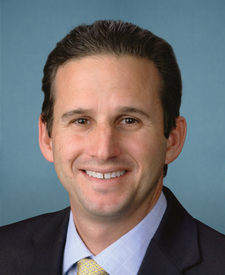
Legislative Progress
IntroducedMr. Durbin (for himself and Mr. Schatz) introduced the following …
Impact analysis is available but no clear stakeholder effects identified. View clause-level analysis →
Bill Structure & Actor Mappings
Who is "The Secretary" in each section?
- "the_commission"
- → The commission identified in the operative section
- "secretary_of_homeland_security"
- → Secretary of Homeland Security
Key Definitions
Terms defined in this bill
a committee— composed of staff at the facility at which a detained noncitizen resides who are responsible for reviewing the initial placement of the noncitizen in longer-term separation and any extensions of time in longer-term separation
We use a combination of our own taxonomy and classification in addition to large language models to assess meaning and potential beneficiaries. High confidence means strong textual evidence. Always verify with the original bill text.
Learn more about our methodology